Inspire Brands Refranchises 17 Sonic Units in QSR Portfolio Shift
Inspire Brands is refranchising 17 Sonic Drive-In restaurants, per a Franchise Times report. The deal continues the multi-brand operator's multi-year conversion of corporate stores to franchise ownership.
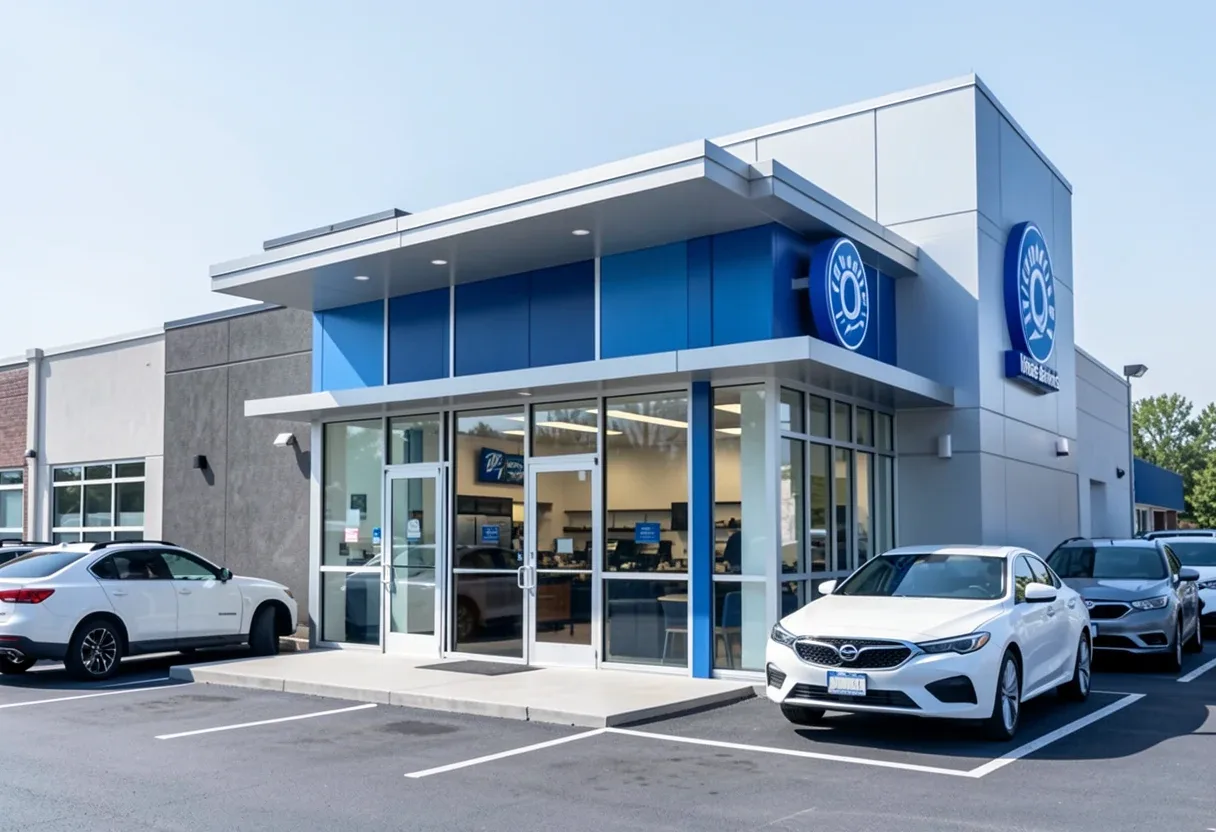
Inspire Brands is refranchising 17 Sonic Drive-In restaurants, per a Franchise Times report on recent QSR (quick-service restaurant) M&A activity. The unit count is small. The signal is consistent.
What refranchising actually does to the income statement
Refranchising — the sale of company-operated stores to franchisees — is a corporate strategy built on simple arithmetic. The franchisor removes store-level costs of goods and labor from the income statement. It collects royalties (a percentage of franchisee sales, usually 4% to 6% in QSR) and advertising fund contributions in their place. The trade-off is revenue for margin: top-line contracts as store sales leave the consolidated books, but the operating margin on royalty income sits in the high double digits.
What does a 17-unit tranche tell operators?
Inspire, the Atlanta-based multi-brand platform owned by Roark Capital, runs one of the largest restaurant portfolios in the United States. Sonic sits in that portfolio alongside Arby's, Buffalo Wild Wings, Jimmy John's, Dunkin', Baskin-Robbins, and Rusty Taco. The chain has converted corporate units to franchise ownership over several years. A batch of 17 stores fits the pattern rather than disrupts it.
The logic behind the strategy is consistent across multi-brand platforms. Operators have spent a decade consolidating back-office functions, point-of-sale systems, and supply-chain contracts. Those shared-service savings accrue more cleanly to a franchisor than to a direct operator. Franchisees often post higher comp (comparable-store sales) growth than corporate stores, because owner-operators adjust faster to local labor and pricing pressure.
Why sell in this rate environment?
Refranchising deals move when capital costs permit. Higher interest rates raise the financing hurdle for buyers, and corporate sellers have responded with seller financing — an internal loan from franchisor to franchisee, repaid over multi-year terms — to keep deals alive. The 17-unit Sonic tranche likely carries that structure, given the broader pattern in QSR M&A through 2024 and 2025.
Sonic's existing franchisee base is large and well-capitalized, which makes a tranche of this size straightforward to place. Multi-unit operators with development obligations tend to absorb corporate stores at prices reflecting AUV (average unit volume), drive-thru configuration, and remaining lease term. Franchise Times did not name the buyer or disclose consideration, leaving the transaction multiple undisclosed for now.
What is the forward read for QSR?
Refranchising activity across the major multi-brand platforms — Inspire, Restaurant Brands International, and Yum Brands — has run at a measured pace this cycle rather than a sprint. Expect more multi-unit transactions this fiscal year, with unit counts that look modest on press release but accumulate through a long quarterly statement.
Each tranche trims company-operated exposure by a few basis points and lifts royalty contribution by roughly the same amount, the kind of incremental mix shift that compounds across a portfolio of more than thirty thousand restaurants. The math favors franchising at scale over operating at scale.
Seventeen Sonic units is the latest installment of that calculation. It will not be the last one the segment sees this year.
More from Rebecca Stone
Show full bio
Senior reporter covering technology and product news in Restaurant and hotel operations at The Pass Brief.
437 articles