Dry-Aged Fish Won't Scale, and That's the Point for Fine Dining
Dry-aged fish is reaching more U.S. menus, but costly aging cabinets and hard sourcing will likely keep it a fine-dining play, says consultant Liz Moskow.
Dry-aged fish is spreading onto American menus, but the economics — expensive aging cabinets, scarce sourcing and steep prices — will likely keep it confined to chef-driven, high-end dining rooms, according to Liz Moskow, principal of the food consultancy Bread & Circus.
"It's definitely, in my opinion, going to be something that stays at those chef-led, chef-driven, high-end fine dining places," Moskow said.
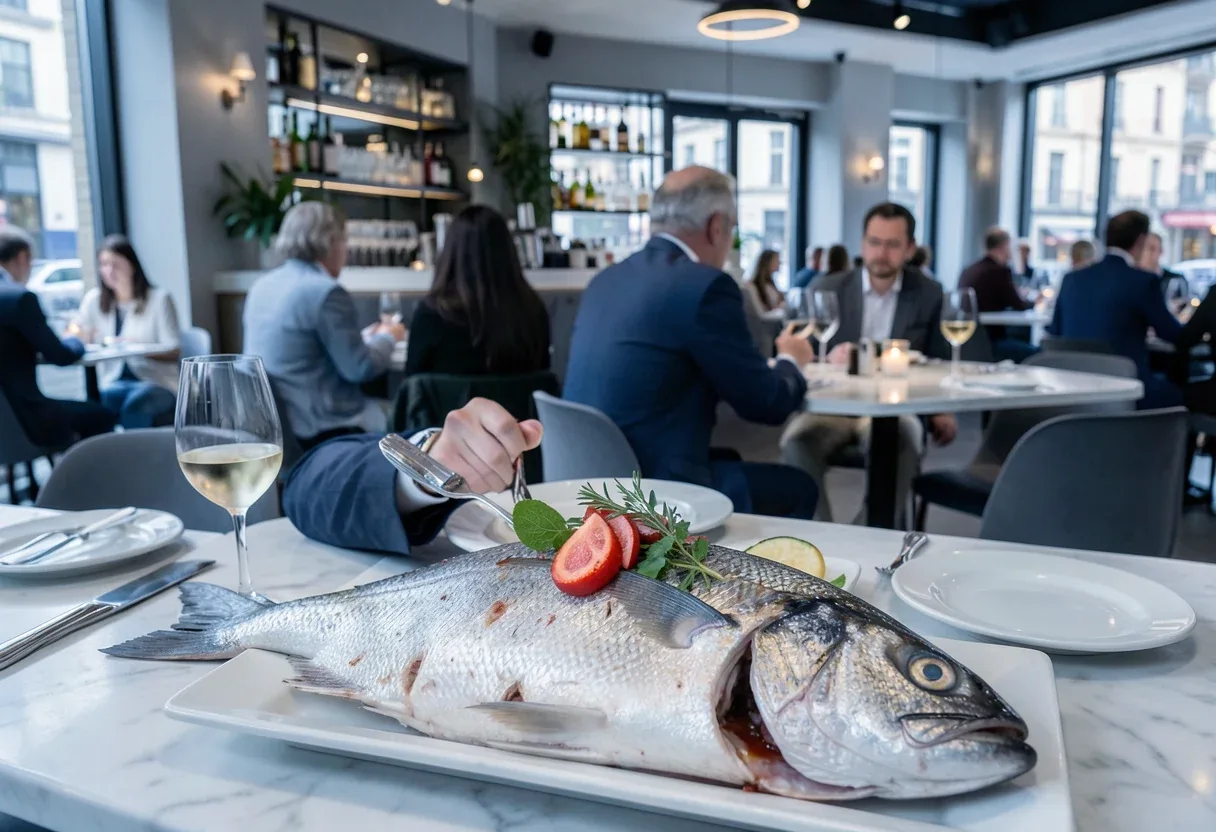
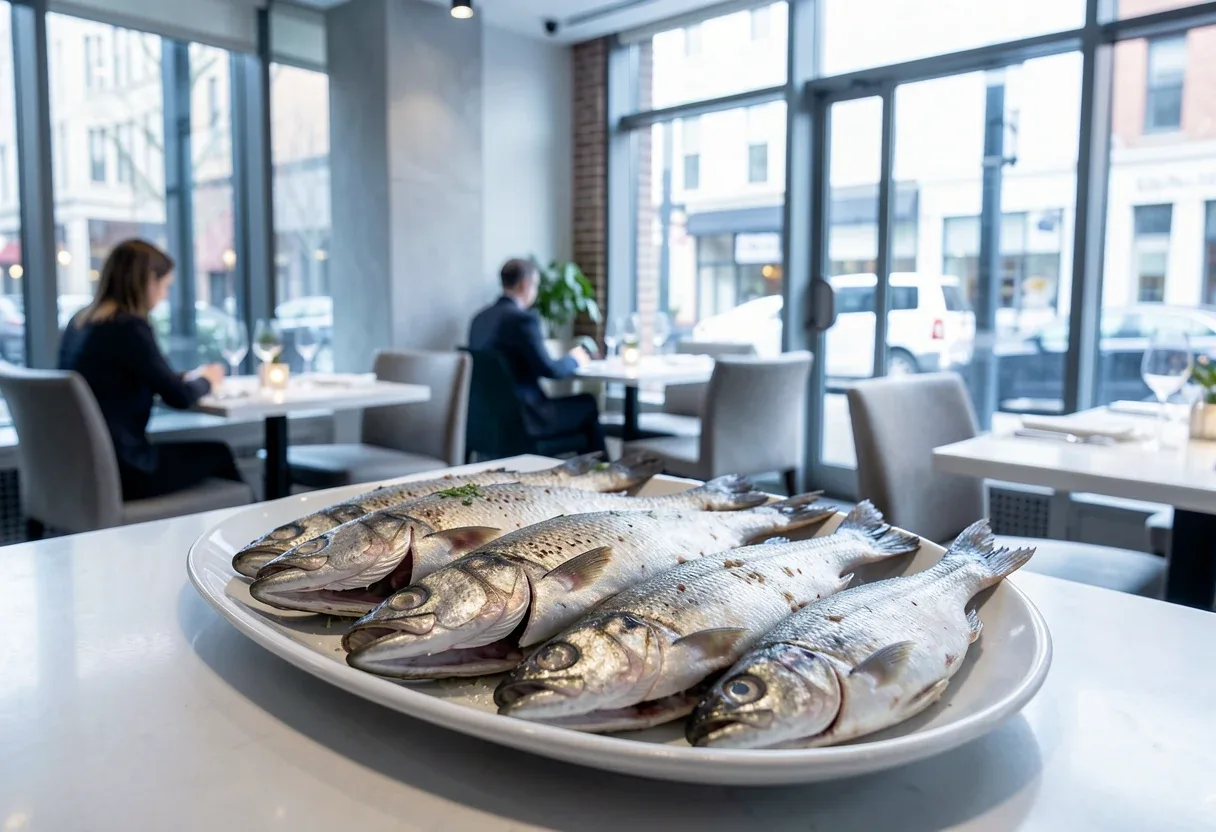
The technique itself isn't new. Humans have dry-aged fish for centuries. The process holds fish in a climate-controlled environment for a few days to a few weeks, depending on species. It reduces moisture, concentrates umami, and strips away the "fishy" smell and taste that turns many American diners off.
Why the name is part of the problem
The biggest barrier isn't the fish. It's the phrase on the menu.
"The term really is terrible," said Liwei Liao, founder and owner of Joint Seafood in Los Angeles, who calls himself the "dry-aged fish guy." "The first two words of that are something that people usually don't want to associate fish with, right? You don't want dry fish or aged fish."
American diners have been trained to equate freshness with quality, so the pitch requires education — and operators are building that education into the physical restaurant.
Liao opened the first Joint location — a market, cafe and sushi counter — in 2018 and recently added a second 4,000-square-foot space, also in Los Angeles. Rows of cold cases display the aging fish and spark conversation with customers.
Other operators are taking the same open-door approach:
- At Wellness Sushi in Boulder, Chef Steven Lee lets diners watch the dry-aging process, which he said encourages questions. His menu-framing trick: compare it to anchovies. "It boosts flavor, just like the philosophy behind the anchovy. Fresh anchovies are not good. After the anchovy is dry, you can use it on any dish."
- At Sea'd In in Seattle, Chef Heong Soon Park cooks over an open wood-fired hearth and walks diners into the aging chambers. Visitors are often surprised by the smell — or the lack of it. "The whole restaurant is a part of the experience," Park said.
What does this change for operators?
In the near term, not much at the mainstream level. Three costs stack up against broad adoption: high fish prices, difficult sourcing, and dry-aging cabinets that are expensive to build and maintain. That makes it a complicated and costly way to produce food.
Moskow said those factors, combined with diner perception, will limit menu growth. Her advice for chefs trying to win over hesitant customers: lean into flavor and "create new language around the process" — essentially, re-engineer the menu description before re-engineering the fish.
Still, the model works for concepts with the resources to pull it off. Through Joint Seafood's wholesale arm, Liao supplies dry-aged fish to other Los Angeles restaurants and spreads his motto: "Fresh is Boring." Tasting, the chefs agree, closes the sale. "For the average consumer, their reaction is gonna be like, 'Hey, wow! It's really fresh. It's really clean. It's the best fish I've tasted,'" Liao said.
The exclusivity cuts both ways. It caps volume, but it also gives fine-dining operators a differentiator they can price against — and one no home cook can replicate.
More from Olivia Hart
Show full bio
Staff writer covering regulation, policy and their impact on Restaurant and hotel operations at The Pass Brief.
417 articles