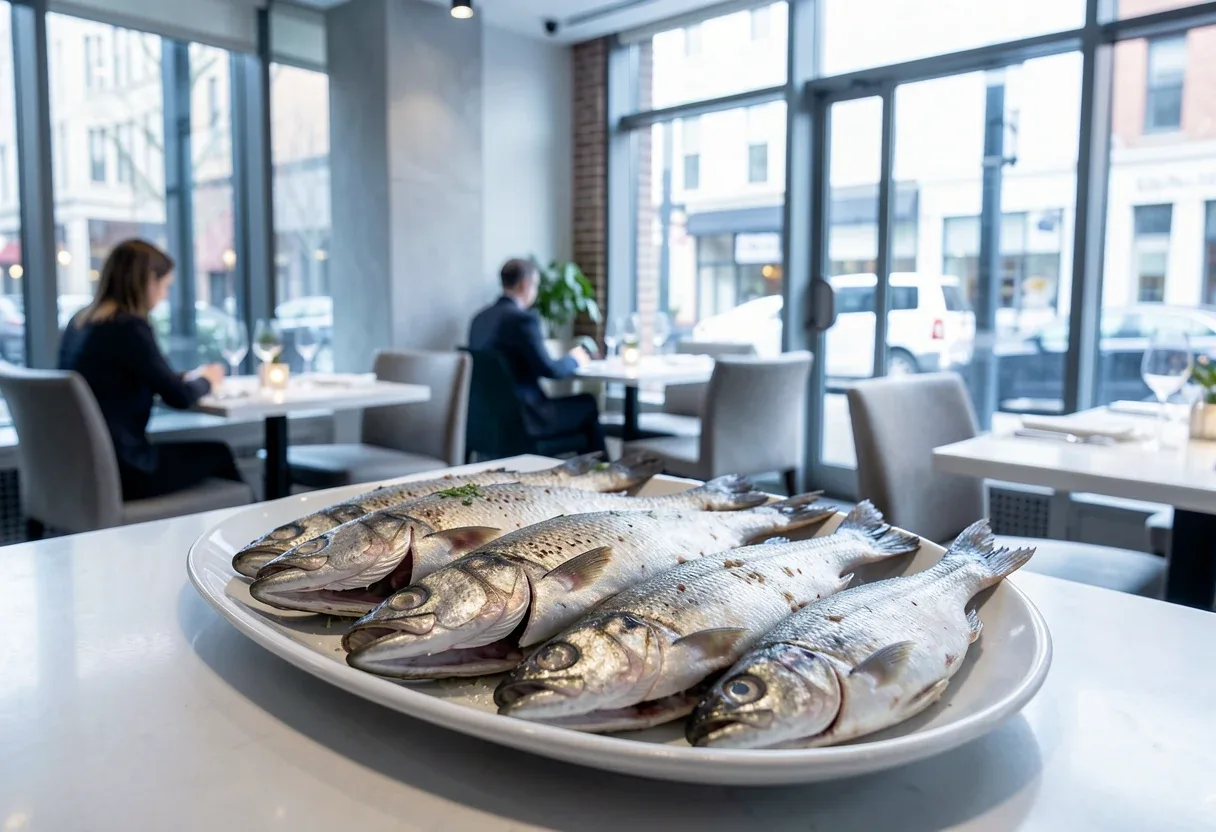
Dry-Aged Fish Is Moving Onto More Restaurant Menus
Restaurants and diners are eyeing dry-aged fish, per Nation's Restaurant News — the steakhouse aging technique applied to seafood, with real cost and sourcing implications.
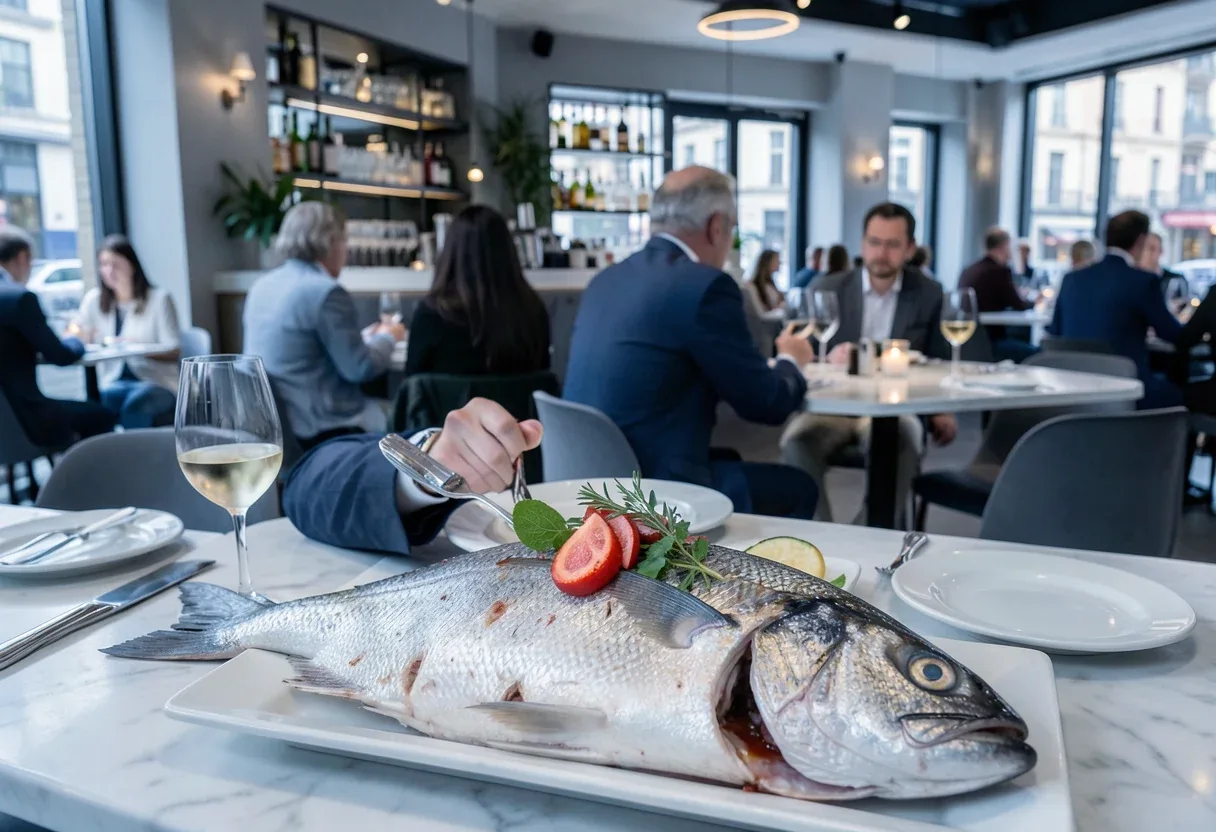
Restaurants and diners are turning their attention to dry-aged fish, according to Nation's Restaurant News — a technique that borrows from the dry-aged steak playbook and applies it to seafood.
The details matter here because fish aging isn't a new idea. Japanese chefs have aged tuna and other species for decades to concentrate flavor and change texture. What's shifting is the audience: Western restaurants, and the diners who follow menus closely, are now engaging with it.
Why would an operator age fish?
The mechanism is straightforward. Aging fish — typically anywhere from a few days to several weeks under controlled temperature and humidity — allows natural enzymes to break down proteins. The result is a firmer texture, a more concentrated umami flavor, and less moisture weight.
That last part is where the operator economics live. Fish loses water weight during aging, which raises the effective cost per served portion. The payoff is a product that can command a premium price and a menu story that diners can't replicate at home.
What does this change for restaurants?
For operators, dry-aged fish fits a familiar menu-engineering pattern: take a known protein, apply a time-intensive process, and reposition it at a higher check contribution. It's the same logic that turned dry-aged beef from a steakhouse novelty into a standard premium tier.
It also demands infrastructure. Aging requires dedicated refrigeration with precise humidity control, disciplined sourcing, and staff who can judge when each fish is ready. That's a real cost, and it pushes the technique toward operators who already run whole-fish programs rather than toward casual concepts.
The sourcing angle
Aging works best with very fresh, high-quality fish — the process amplifies whatever quality is there at the start. That means operators experimenting with it tend to tighten relationships with specific boats, distributors, or day-boat fisheries rather than buying off a general list. The trend, in other words, pulls supply chains closer even as it adds days between catch and plate.
Where this goes
The full Nation's Restaurant News report outlines which restaurants and chefs are driving the interest and how diners are responding. For now, the signal is clear: dry-aged fish is moving from a niche technique into broader operator and consumer awareness, and operators with the refrigeration, sourcing, and skilled labor to run it have a window to differentiate their seafood menus before it becomes table stakes.
More from Olivia Hart
Show full bio
Staff writer covering regulation, policy and their impact on Restaurant and hotel operations at The Pass Brief.
417 articles