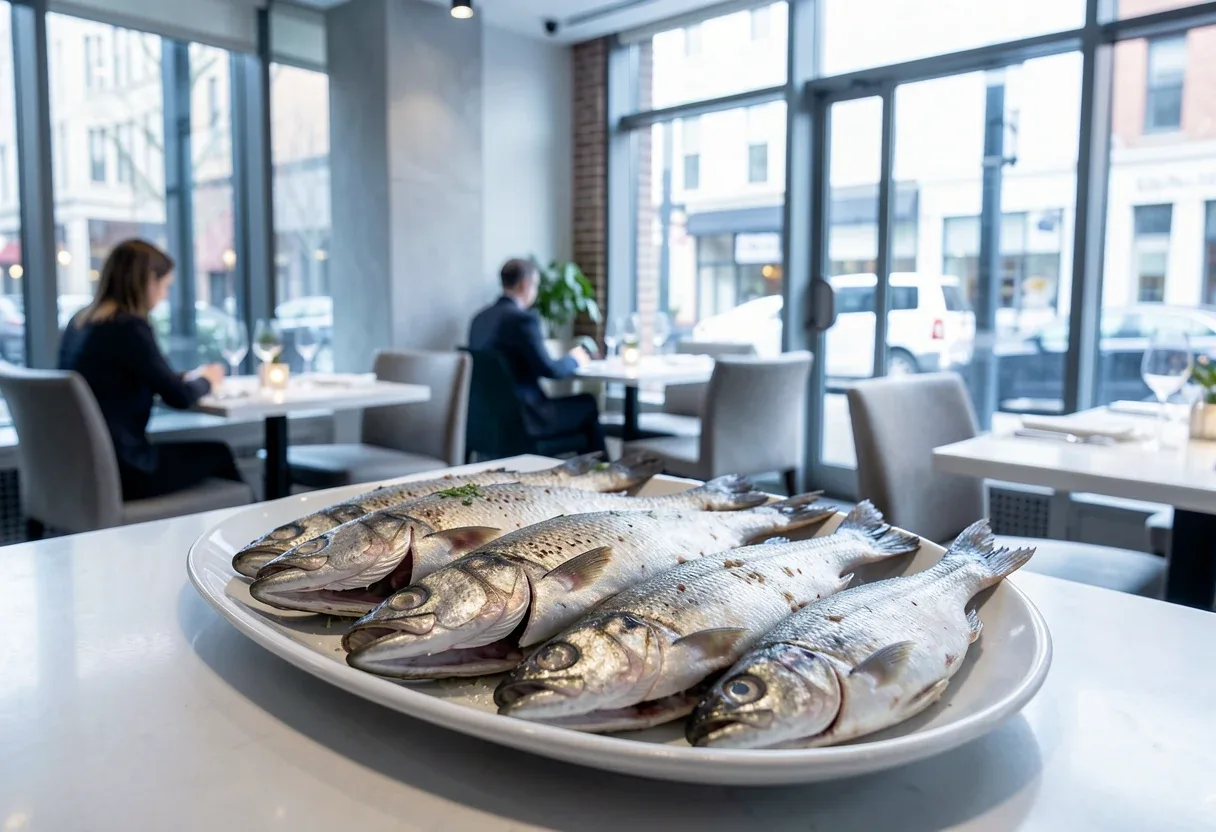
Seafood Towers Return as Operators Split the Price of Indulgence
Del Mar sells shellfish platters at $69 and $130; Maple & Ash towers start at $140, or $45 at 'Tower Hour.' Operators are tiering indulgence as diners go out less.
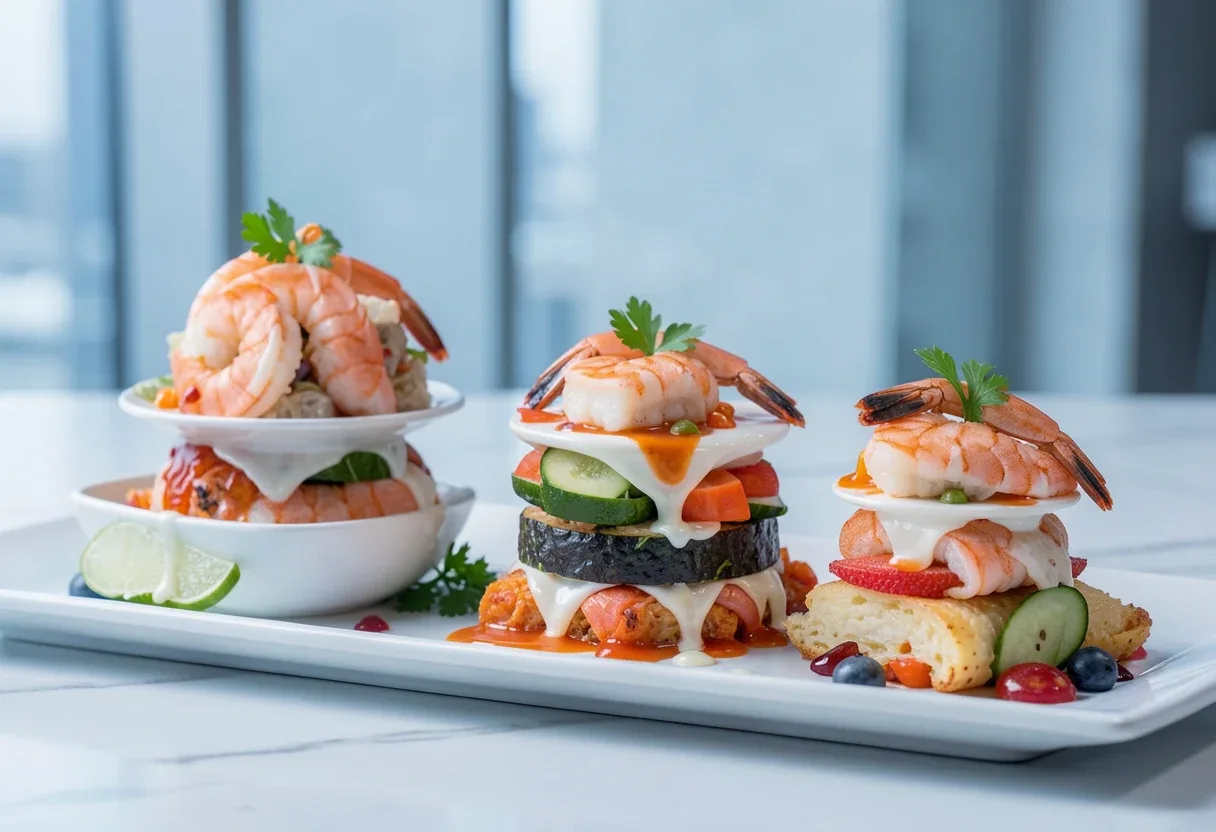
Del Mar sells its small shellfish platter at $69 and the large at $130. Maple & Ash starts its seafood towers at $140 — or $45 during "Tower Hour." Those numbers explain why the seafood tower, a menu relic by some accounts, is spreading again across upscale dining rooms.
Operators are not reviving the item unchanged. They are resizing it, repricing it and reengineering its build for guests who dine out less but spend more when they do.
Who is serving what?
Cameron Mitchell Restaurants, based in Columbus, Ohio, has kept seafood towers on menus for years across its brands. Ian Rough, the group's vice president and executive corporate chef, cited the "smoking" seafood tower at Ocean Prime, a chilled build that uses dry ice for a smoke effect. At Del Mar, the group's Mediterranean brand, the kitchen runs both cold platters and a hot shellfish platter roasted over open fire and served with bread for dipping.
"It's a really great way to celebrate, share at the table. It's interactive. Fresh seafood is always something that people are gravitating to," Rough said. "But I do think it has definitely grown as of late."
Maple & Ash, which operates four locations including Chicago and Boston, has served a version for a decade under chef Danny Grant. His tower includes shellfish cooked in a wood-fired oven, finished with chili oil, garlic butter and lemon, with a pasta back available on request. The item has become a signature; the chain named its happy hour after it.
"Once one goes out, it's the fajita moment for sure. They're like, 'What is that giant thing going around? I want one of those,'" Grant said. "It's really photogenic."
Why does the format work now?
Mike Kostyo, vice president at the consulting firm Menu Matters, tied the trend to two diner behaviors. First, seafood carries a rare double rating among consumers on both health and craveability, which gives it room on appetizer menus crowded with richer items. "Even if a consumer isn't ordering it for a specific health benefit, like protein or omega-3s, they often feel better about ordering it because it's lighter," he said.
Second, the item fits what Kostyo called the "little luxury" pattern. Guests face high costs overall and are dining out less, but they spend more on the occasions they keep. "They may be going out to eat less, but those occasions when they do go out to eat are even more important, so they may splurge on some more luxurious options," he said.
The tiered pricing supports that pattern. Both Cameron Mitchell Restaurants and Maple & Ash sell towers in multiple sizes. "That opens up the ordering possibilities to a wider range of diners," Kostyo said.
How are chefs protecting the price point?
Grant said he recently rebuilt the composition of his towers with value in mind. The goal was to hold quality while widening access, not to protect a premium badge.
"We have to now look at it through a different lens to make sure that we're delivering value, and still the quality that's expected and our standard," Grant said. "But I don't want to have a thing on a menu that's priced up that only the top 5% of diners can afford. That's not the restaurant I'm trying to create."
Both chefs report another shift in diner behavior. More guests now treat the tower as a main course rather than a shared opener, whether for price, health or other reasons. Grant endorses the pattern; he named the tower, a pasta back and a bottle of white Burgundy as his own ideal meal.
What is not in the numbers?
The source gives menu prices but no unit economics. Nothing here covers food cost percentage on shellfish, labor to build a tower, or waste on chilled seafood held for service. Shellfish pricing is volatile, and a $69 entry point does not reveal the margin beneath it.
Neither operator disclosed tower sales volumes or what share of revenue the items carry. The growth claim rests on chef observation, not chain-wide data. That distinction matters before any operator copies the format.
The trend still signals where upscale casual is heading. As dining occasions shrink in number and rise in value, expect more operators to tier indulgent, photogenic centerpieces at accessible entry prices.
More from Marcus Bennett
Show full bio
Market editor covering technology and product news in Restaurant and hotel operations at The Pass Brief.
437 articles