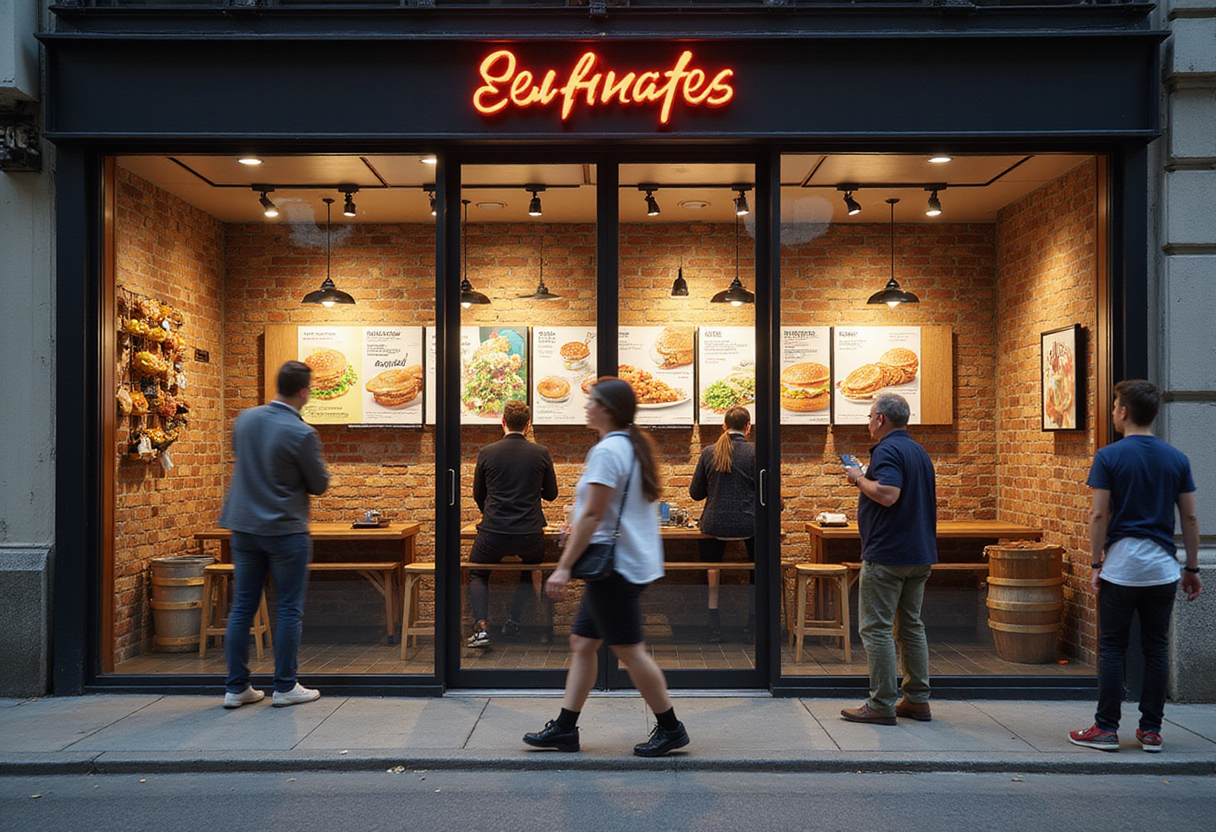
Wagamama rebuilds menu and service around guest feedback data
Wagamama is rebuilding its menu and front-of-house service around aggregated diner feedback rather than a top-down rebrand, Restaurant Business Magazine reports.
Wagamama is rebuilding both its menu and its front-of-house service style around aggregated guest feedback, according to Restaurant Business Magazine.
The pan-Asian casual-dining chain framed the change as a direct response to diner input rather than a top-down rebrand, a meaningful distinction for an established operator deciding whether to refresh, reform, or redesign.
How aggregated feedback turns into a menu revamp
Guest feedback at chain scale isn't a comments card pinned to a host stand. It's a structured dataset that typically pulls from post-visit email surveys, app ratings, third-party delivery reviews, and POS-tagged item performance.
Chains don't redraft menus because one customer hated one dish. They redraft when a pattern crosses a threshold: items driving recurring complaints, low-scoring SKUs, or service moments flagged repeatedly across regions.
That's the economic logic underneath the announcement. Menu engineering rewards items with high satisfaction and high contribution, and quietly retires items that score low on either axis.
Service-style changes follow the same data path. If guests say the wait feels long, the chain fixes flow. If guests say staff don't return, the chain fixes pace.
What "service style" actually means in a revamp
The phrase is soft. The decisions underneath are hard. Three levers sit beneath any service-style announcement: how orders reach the kitchen (table-side QR, counter, or full service), how courses get paced (all-at-once or staged), and how staff interact with guests (scripted greet-and-seat versus conversational).
A revamp usually means the operator is standardising one of those levers across locations, not redesigning each restaurant individually. Standardisation is where chains recover the labour efficiency that customisation costs them.
Why chains frame revamps as feedback-led
Hospitality brands increasingly use guest feedback as the public rationale for menu and service changes because it short-circuits two industry tensions.
First, it answers the franchisee question before it's asked. Operators want to know whether a brand's reset will lift local sales or just add new training costs. A feedback-led narrative says the brand is responding to demand the franchisee already sees in their own reviews.
Second, it answers the guest question. Diners who liked a discontinued item will accept its removal more easily if the brand can show the item scored poorly on satisfaction. It's a softer message than "we replaced your favourite to lift contribution."
What does this change for guests and operators?
For guests, the practical answer is a menu that more closely mirrors what regulars already order, paired with a service rhythm that reflects how they actually want to be served.
For franchisees and competing casual-dining operators, the change matters less for the specific dishes than for the underlying decision cycle. A brand that publishes its refresh trigger as guest feedback is signalling that the next menu move will follow the next data move.
What to watch
Look for the chain's next quarterly trading update. Same-store sales, average check, and guest satisfaction scores will tell the industry whether the feedback-led revamp converted diner input into measurable performance, or simply refreshed the offering.
More from Olivia Hart
Show full bio
Staff writer covering regulation, policy and their impact on Restaurant and hotel operations at The Pass Brief.
344 articles