Virginia Condemns Little Wicomico River as Oyster Salmonella Outbreak Hits 28 in 13 States
Virginia's indefinite condemnation of Little Wicomico River takes effect Nov. 8, extending an oyster harvest ban tied to a 28-case Salmonella outbreak in 13 states, five hospitalized.
Virginia has converted its emergency closure of the Little Wicomico River into an open-ended Shellfish Area Condemnation, effective November 8, 2026. The move extends a temporary harvest ban that was set to expire November 7 and ties the waterway to a multistate Salmonella Telekbir outbreak that has now sickened at least 28 people across 13 states.
The case count grew this week with Indiana reporting its first two infections. Pennsylvania leads with eight cases, followed by New York with four and Virginia with three. The full breakdown: Colorado, Indiana and Maryland at two each, and Connecticut, Florida, Iowa, Illinois, Kentucky, Michigan and New Jersey at one apiece.
The patient profile is unusually wide. Ages run from 1 to 86 years, and illness onsets stretch from May 29, 2026 to October 6, 2026 — more than four months of exposure. Five people have been hospitalized.
What exactly is shut down?
The condemned zone is Condemned Shellfish Area Number 010-105, labeled Section A on the state's maps of the Little Wicomico River. The order reads: "It shall be unlawful for any person, firm, or corporation to take shellfish from these areas for any purpose, except by permit granted by the Marine Resources Commission, as provided in § 28.2-810 of the Code of Virginia."
In practice, that means no wild or aquaculture harvest from that section of the river until Virginia's Marine Resources Commission grants a permit. There's no reopening date in the notice.
What does this change for operators?
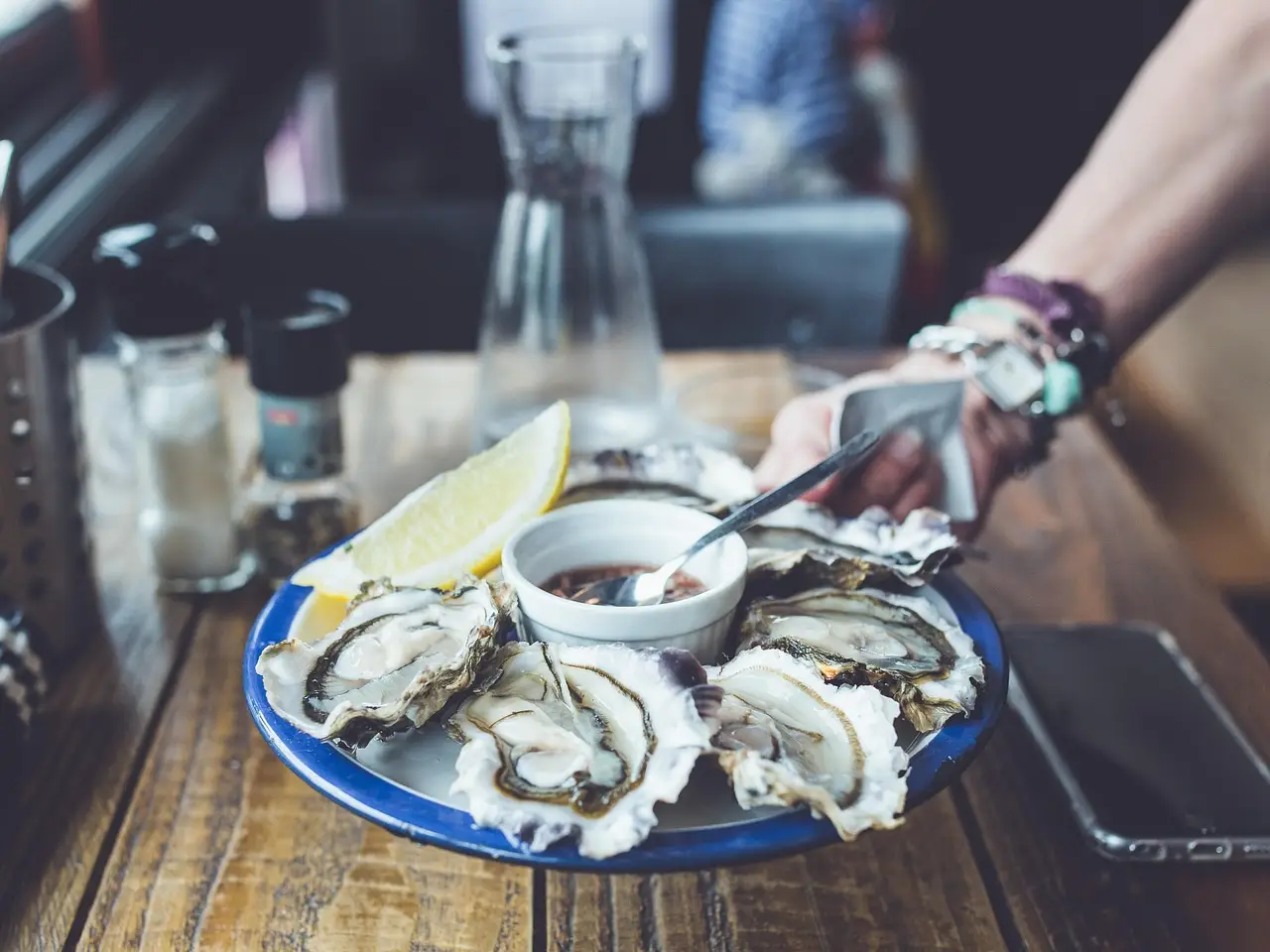
The traceable product is limited and specific. The FDA safety alert covers whole shellstock oysters from batch VA-1421-SP, harvested by the Little Wicomico Oyster Company between September 18 and October 8, 2026.
Distribution, though, was broad. The oysters reached restaurants and retailers in California, Colorado, Connecticut, Delaware, Florida, Georgia, Illinois, Maryland, Missouri, North Carolina, New Jersey, Nevada, New York, Pennsylvania, Texas, Virginia and Washington, D.C. — and regulators say they may have been sold in other states beyond that list.
For operators holding product from that batch, the guidance is blunt: don't serve it, sell it or eat it. Throw it away in a secure trash can, or return it to the distributor or store of purchase. Any surface or utensil that touched the product should go through hot soapy water or a dishwasher before it handles anything else.
What about customers who already ate them?
The advice runs a week deep. Anyone who consumed the oysters should watch for Salmonella symptoms over the next seven days and see a doctor if illness develops.
The condemnation order formalizes what the October emergency closure started, and the investigation's case count — now spanning 13 states and still adding states like Indiana — suggests the consumer advisory remains the active enforcement tool as regulators work the distribution chain.
More from Olivia Hart
Show full bio
Staff writer covering regulation, policy and their impact on Restaurant and hotel operations at The Pass Brief.
692 articles