Virginia Counts 55 Sick in Oyster Salmonella Outbreak, Double the CDC's Tally
Virginia reports 55 Salmonella cases across 19 states from Little Wicomico oysters, double the CDC count. Publix sold recalled product five days after the notice.

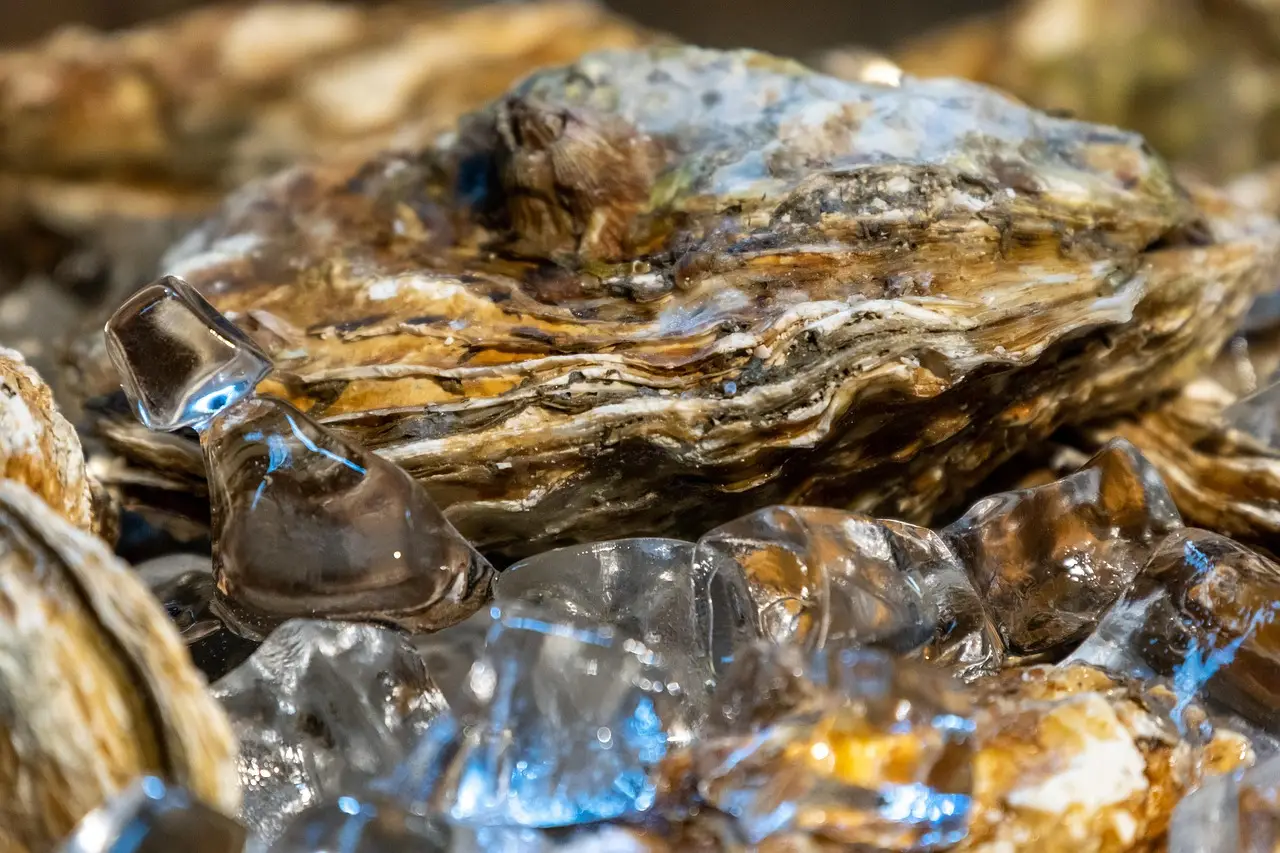
Virginia's health department has documented 55 Salmonella Telelkebir patients across 19 states — more than double the 27 illnesses in 12 states that the CDC reported on Oct. 19. The outbreak traces back to oysters harvested by Little Wicomico Oyster Company from the Little Wicomico River in Virginia, and the FDA has backed that count with its own recall notice listing the same 27 cases.
The gap between the two agency tallies matters for operators. Illnesses began in late May and ran through Oct. 6, a long tail that suggests exposure well before any recall existed. Five patients have required hospitalization, according to the CDC.
What does this change for restaurants and retailers?
The most concrete operational failure sits with Publix. Georgia's Department of Agriculture says Publix sold the recalled oysters as "James River Oysters" through Oct. 14 — five days after the recall was issued. For any foodservice operator sourcing shellfish, that's the practical question: can your distributor actually pull product off the shelf inside the recall window? In this case, a major grocery chain couldn't.
The recall itself covers oysters harvested Sept. 18 through Oct. 8. But the Virginia health department reports the last illness onset as Oct. 6, and all 27 CDC-counted patients ate oysters harvested before the recall window. In other words, the recall locked the barn after the horse was out — the harvest dates that made people sick fall outside the scope of the pull.
Traceback records tell the story of how investigators connected the cases:
- Of the 27 CDC patients, 10 reported eating raw oysters.
- Tag and traceback records exist for seven of those patients.
- Two of the seven ate oysters from a single Virginia source; five ate oysters from several sources.
- Little Wicomico River oysters were the only oysters common to all seven people in traceback.
That common-source finding is what tied the harvest area to the outbreak despite the limited records — a reminder of how thin traceability still is when only 7 of 27 confirmed patients have usable tag data.
Why the real case count is far higher
Both tallies likely undercount the outbreak substantially. The CDC estimates that for every confirmed Salmonella patient, 29 cases go undetected — people who never seek care or aren't tested. Applied to even the conservative 27-case figure, that math points to roughly 800 actual infections.
Timing compounds the undercount. The CDC says it takes three to four weeks for a stool culture to become a sequenced isolate that can be matched to the outbreak and counted. Cases from early October may still be working through that pipeline, which means both the state and federal numbers could keep climbing.
FDA updates three other outbreaks
Separately, the FDA has refreshed information on three additional outbreaks:
- Listeria monocytogenes, unnamed source: 46 people sick. The FDA has initiated an onsite inspection and sample testing, but isn't disclosing the location or what's being tested. First posted Sept. 23.
- Salmonella Newport, unnamed source: The outbreak has ended with 119 confirmed patients. The FDA ran traceback and sample testing but never named the food involved. First posted Aug. 26.
- Listeria monocytogenes, unnamed source: This outbreak has also ended, with 11 confirmed patients. The agency conducted traceback, onsite inspections and sample testing without disclosing the food or location. First posted July 22.
The agency didn't report patient ages or locations for any of the three.
For shellfish buyers, the near-term watch item is whether additional harvest dates get folded into the Little Wicomico recall as sequenced isolates from October exposures reach the CDC — and whether Georgia's finding on Publix triggers enforcement or updated handling guidance.
More from Olivia Hart
Show full bio
Staff writer covering regulation, policy and their impact on Restaurant and hotel operations at The Pass Brief.
500 articles