Salmonella Outbreak Tied to Virginia Oysters Hits 27 Across 12 States
Twenty-seven Salmonella cases across 12 states are linked to Virginia's Little Wicomico River oysters. The FDA warns restaurants in 17 jurisdictions to destroy product harvested Sept. 18–Oct. 8.
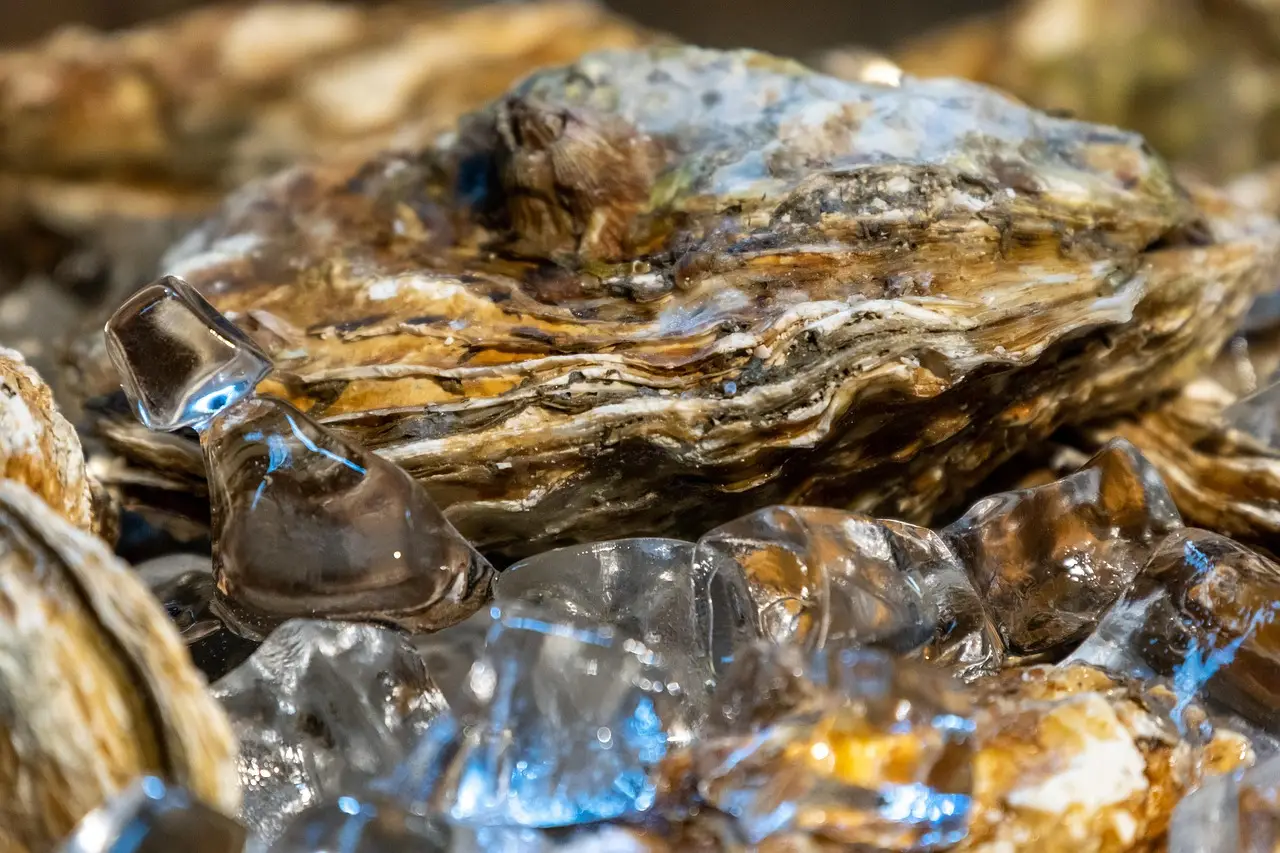
Twenty-seven people across 12 states have fallen ill — some severely enough to require hospitalization — in a Salmonella Telelkebir outbreak linked to oysters harvested from the Little Wicomico River in Virginia, and the FDA is now telling restaurants and retailers in at least 17 jurisdictions to pull the product from their menus and shelves.
The Pennsylvania Department of Agriculture identified the outbreak, tracing illnesses to oysters harvested from Little Wicomico River and Little Wicomico River Lower. As of Oct. 19, the case count stood at 27 patients, with hospitalizations reported. The patients are spread across 12 states.
What triggered the recall?
Little Wicomico Oyster Company (certification VA-1421-SP) has recalled all oysters harvested between Sept. 18 and Oct. 8, 2026, and has contacted its customers directly. The company has stopped harvesting from the affected area and is cooperating with public health officials.
The Virginia Department of Health went further, closing the Little Wicomico River to all shellfish harvesting effective Oct. 9, 2026.
Who's investigating?
The 27 illnesses are part of a cluster under investigation by the CDC, the FDA and relevant state authorities. The CDC initially notified the FDA of the outbreak; the FDA continues to partner with CDC in the investigation and provide assistance to state authorities as needed.
What does this change for operators?
The recall's footprint is broad. Little Wicomico Oyster Company product was distributed to restaurants and retailers in California, Colorado, Connecticut, Washington D.C., Florida, Georgia, Illinois, Maryland, Missouri, North Carolina, New Jersey, Nevada, New York, Pennsylvania, Texas and Virginia — and the FDA notes it may have been further distributed beyond those markets.
The agency's instruction to operators is specific:
- Do not serve or sell recalled oysters from Little Wicomico Oyster Company (VA-1421-SP) harvested from Sept. 18 through Oct. 8, 2026
- Dispose of the product by throwing it away or contacting your distributor to arrange destruction
- Check whether secondary distributors moved product into additional states
For raw-bar operators, the exposure is straightforward: any oyster from the affected harvester and harvest window in inventory is a liability, not a menu item.
The pathogen, in plain terms
Salmonella contamination doesn't announce itself. Contaminated food usually doesn't look, smell or taste spoiled, which is precisely why traceability paperwork — harvester, certification number, harvest dates — is the only reliable line of defense at the operator level.
Symptoms of Salmonella infection can include diarrhea, abdominal cramps and fever within 12 to 72 hours of eating contaminated food. Healthy adults are usually sick for four to seven days. In some cases, diarrhea is severe enough to require hospitalization.
Infants, children, seniors, pregnant women and people with weakened immune systems — including cancer patients — face the highest risk of serious, sometimes life-threatening illness. Some infected people never show symptoms but can still spread the infection to others.
Anyone who ate recalled oysters and developed symptoms should seek medical attention, and should tell their doctor about the possible Salmonella exposure — the infection can mimic other illnesses, and special tests are needed to diagnose salmonellosis accurately.
With the CDC, FDA and state authorities still investigating and the harvest area closed indefinitely, restaurant groups with raw-bar programs across the Eastern Seaboard and beyond should expect the case count and the recall's distribution map to be updated as traceback work continues.
More from Daniel Okafor
Show full bio
Correspondent covering companies, deals and strategy in Restaurant and hotel operations at The Pass Brief.
491 articles