Two Brothers Turned a 20-Room Desert Motel Into a Hospitality Group
Matt and Mike French bought a 20-room motel in 2014. Life & Times now runs restaurants, a newspaper and four new projects, financed first by community notes and soon by outside capital.
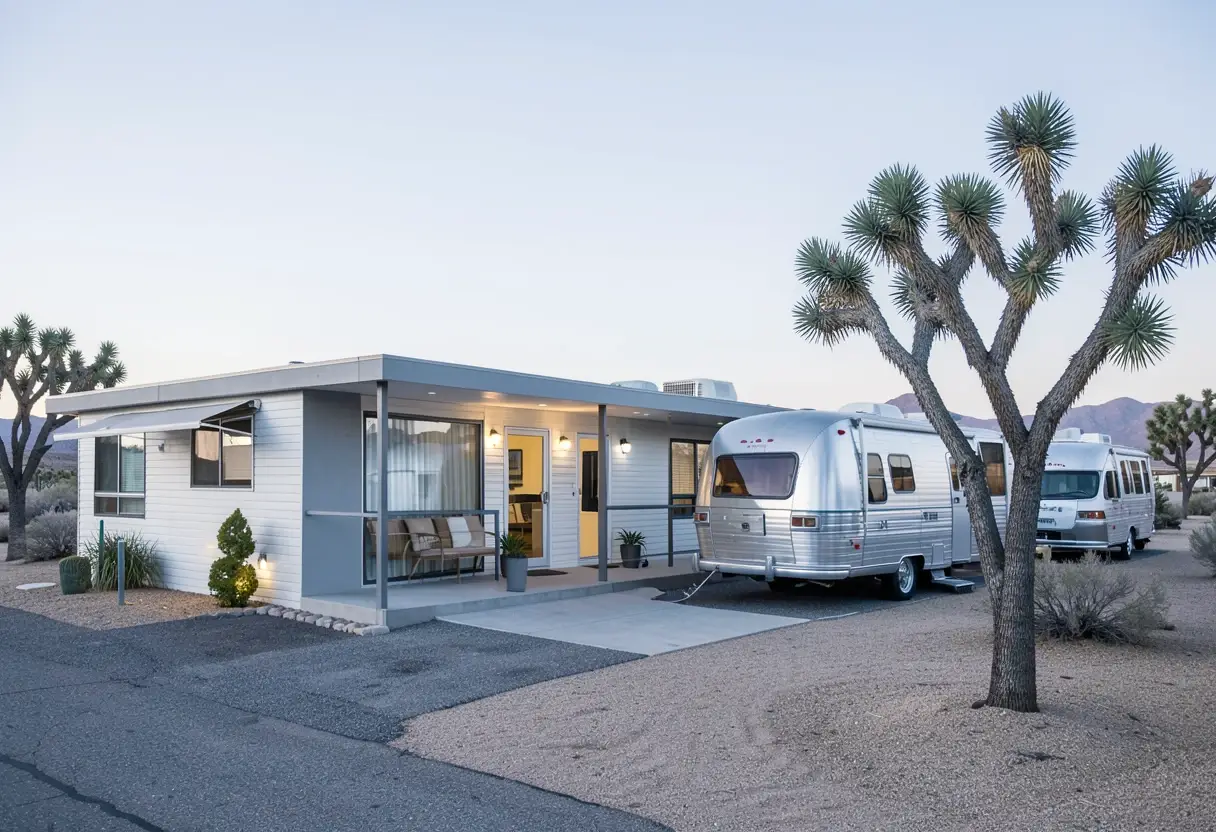
Matt and Mike French bought the 20-room Pioneertown Motel in 2014. Today their company, Life & Times, operates two restaurants, a revived local newspaper, a second property on Whidbey Island in Washington, and a development pipeline that will require outside capital for the first time.
The brothers laid out the model at this year's Boutique Hotel Owners Conference, in conversation with BLLA's Ariela Kiradjian. Their account is a case study in ownership-by-occupation. But the claims deserve scrutiny. Much of the growth rests on intangibles the brothers themselves admit they cannot fully engineer.
What did they actually buy?
Pioneertown sits just outside Joshua Tree National Park, in the High Desert above Palm Springs. Developers built it in 1946 as a working Western movie set. "Instead of just building facades, they actually built buildings," Matt said.
The motel came with 20 rooms built of railroad ties and, in Matt's words, "tons of character." It was not the brothers' first venture. Mike reminded the audience of a failed linen shirt company. The motel worked. The brothers moved from Portland and New York expecting a short stay. By 2018, the desert was home.
Living there changed the economics of what they built. "Once we were living there, our return profile totally changed," Mike said. "We need to create things that actually are things we want to experience and enjoy."
How do restaurants change the model?
In 2018, Life & Times took over the Red Dog Saloon, the town's original bar. The Copper Room in Yucca Valley followed. The restaurants did something the motel alone could not.
"With rooms only, it was just tourists," Mike said. "But with the restaurants, we really struck a different cultural chord."
Demand appears genuine. One conference attendee said the Red Dog was so busy at a recent brunch that the kitchen had to pause service. Last Word Hospitality, the group behind Found Oyster, runs the restaurants. The partnership began when Mike asked a friend for help opening "this decrepit saloon in Pioneertown." The operators drove out and agreed on the spot.
The brothers stay out of day-to-day restaurant management. "That's obviously a huge load off our plate," Mike said. The trade-off is real. Control over the F&B experience, the largest revenue driver at many boutique properties, sits with a third party.
Why revive a newspaper?
The brothers' most unusual asset is the Pioneertown Gazette, the town's original paper, first published in 1947. When they arrived, Mike said, the local business scene was "very tribal, very competitive."
"We just started promoting our competitors and promoting everyone else's events and businesses," he said. The paper now runs a website covering the wider High Desert. Mike claimed the publication has become a citation source for AI tools: "We're getting cited in most chat conversations for anything that's happening in the High Desert."
That claim is unverifiable from the stage. It is plausible, and it points to a strategy other operators will watch: owning the independent voice that algorithms quote.
How did they finance it?
The restaurants were funded through community notes, small investments sold largely to locals. Hundreds invested in the Red Dog.
"We decided to create notes in an effort to get the local community to have a sense of ownership in the restaurants, and that worked out really well," Mike said. The brothers repeated the model at the Copper Room.
The next phase outgrows that structure. The motel expansion and a Desert Hot Springs wellness project will be too large to self-finance. "That's why we're here," Mike joked, gesturing at the conference's investor audience.
What comes next?
The pipeline includes four projects:
- Pioneertown Motel expansion. After six years in the entitlement process, approvals cover added rooms, a restaurant, a spa, a pool, a Main Street extension and retail.
- Desert Hot Springs. A master-planned wellness destination on geothermal land, starting with a bathhouse, sauna and steam.
- Yucca Valley. Reopening a wedding venue in an old church.
- Lord Fletcher Inn. A 1966 steakhouse in Rancho Mirage favored by Frank Sinatra. The Sinatra family, connected through the Copper Room where his granddaughter performs, has blessed the branding and contributed photographs and artwork.
The Whidbey Island property, Captain Whidbey, a century-old waterfront lodge with cabins, a dock and a restaurant, opened just days before the pandemic. It followed the Pioneertown model: restore something with history and build around it.
Events follow a strict rule. The brothers favor recurring traditions, such as the annual March High Desert Art Fair and Aether's multi-year buyout for the Aether Rally, over one-off bookings. "We're much more inclined if it's going to be something that will be annual," Mike said.
Whether community notes scale, and whether outside capital preserves the model's character, remain open questions. The brothers have answered every growth test so far. The next one is the largest.
More from Marcus Bennett
Show full bio
Market editor covering technology and product news in Restaurant and hotel operations at The Pass Brief.
798 articles