Melbourne's Brady Group Opens 211-Room CBD Hotel
Melbourne-owned developer Brady has opened a 211-room CBD hotel built on a vertical 'laneway to sky' concept, adding full-scale inventory to the city's hotel market.
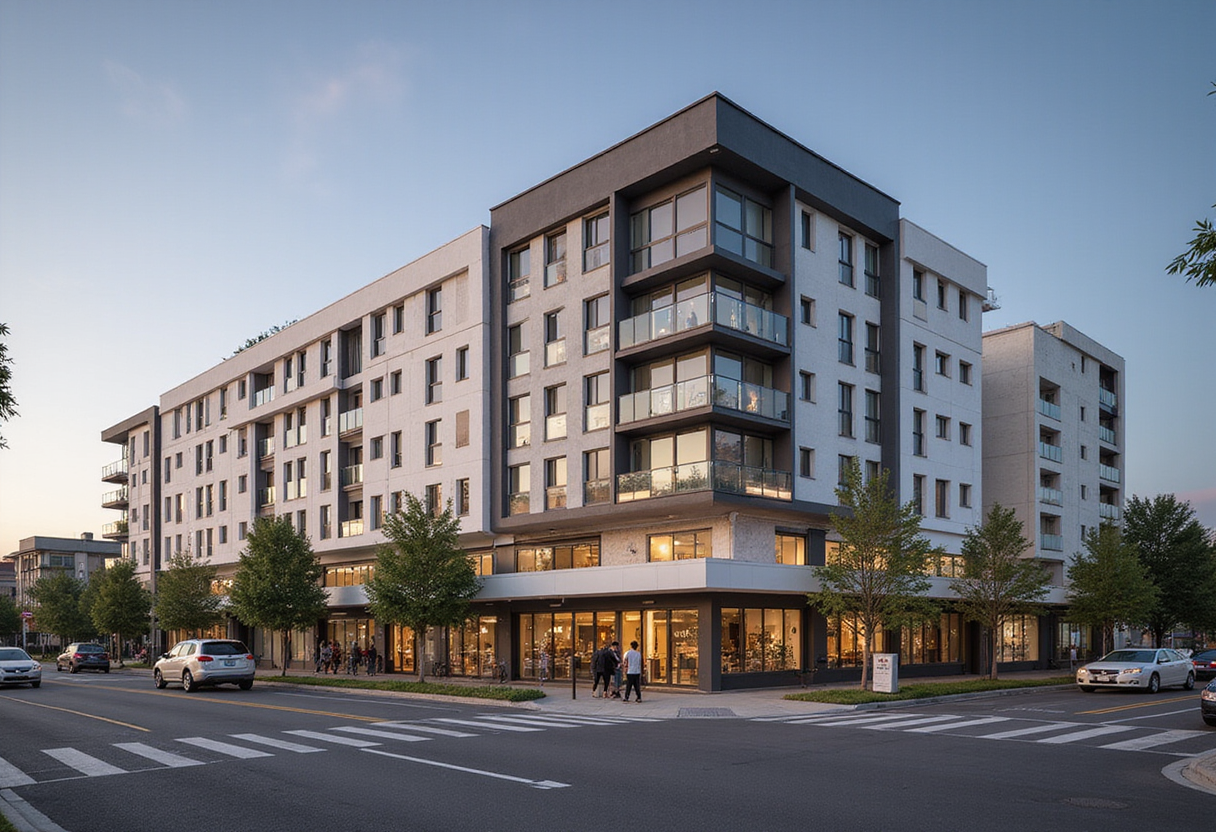
Melbourne-based, family-owned developer Brady has opened a 211-room hotel in the city's CBD, with the property's design concept running "from laneway to sky" — stacking guest experiences vertically through the building rather than along a single ground-floor frontage.
The opening adds a substantial inventory block to central Melbourne's accommodation supply at a moment when hotel operators across the CBD are competing on design differentiation and direct-booking economics. A 211-room count places the property firmly in the full-scale category rather than the boutique tier that has dominated recent Melbourne openings.
Who owns and operates the property?
The hotel comes from Brady, a Melbourne-owned group whose local ownership distinguishes it from the international flags and offshore investment vehicles that control much of the city's hotel stock. The company developed the building as a single vertical asset — the laneway-level entry feeds upward through the tower's guest floors, a layout that maximizes revenue-generating space on a tight CBD footprint.
For an owner-operator of this scale, the 211-room count matters because it determines fixed-cost absorption: housekeeping rosters, front-desk staffing and F&B overhead spread across enough keys to support full-service positioning without franchising or third-party management.
What does 'laneway to sky' mean for the guest experience?
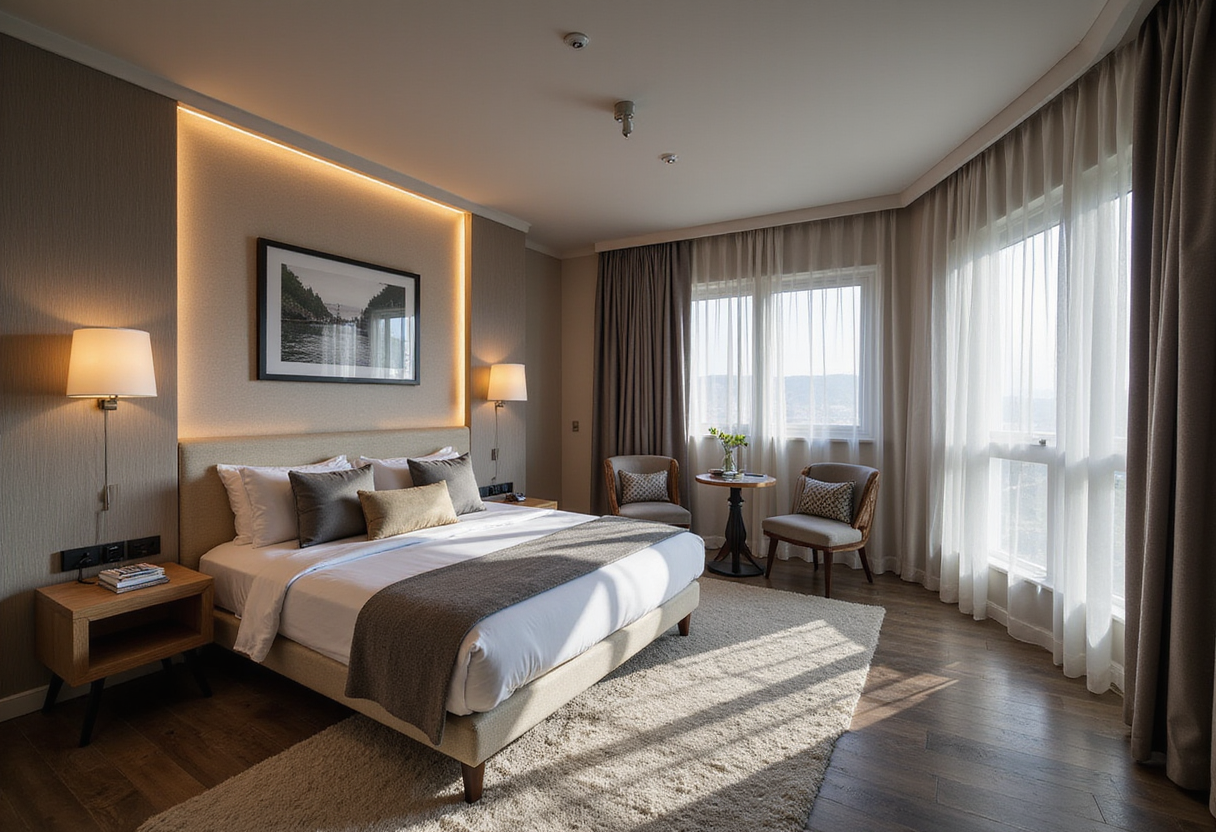
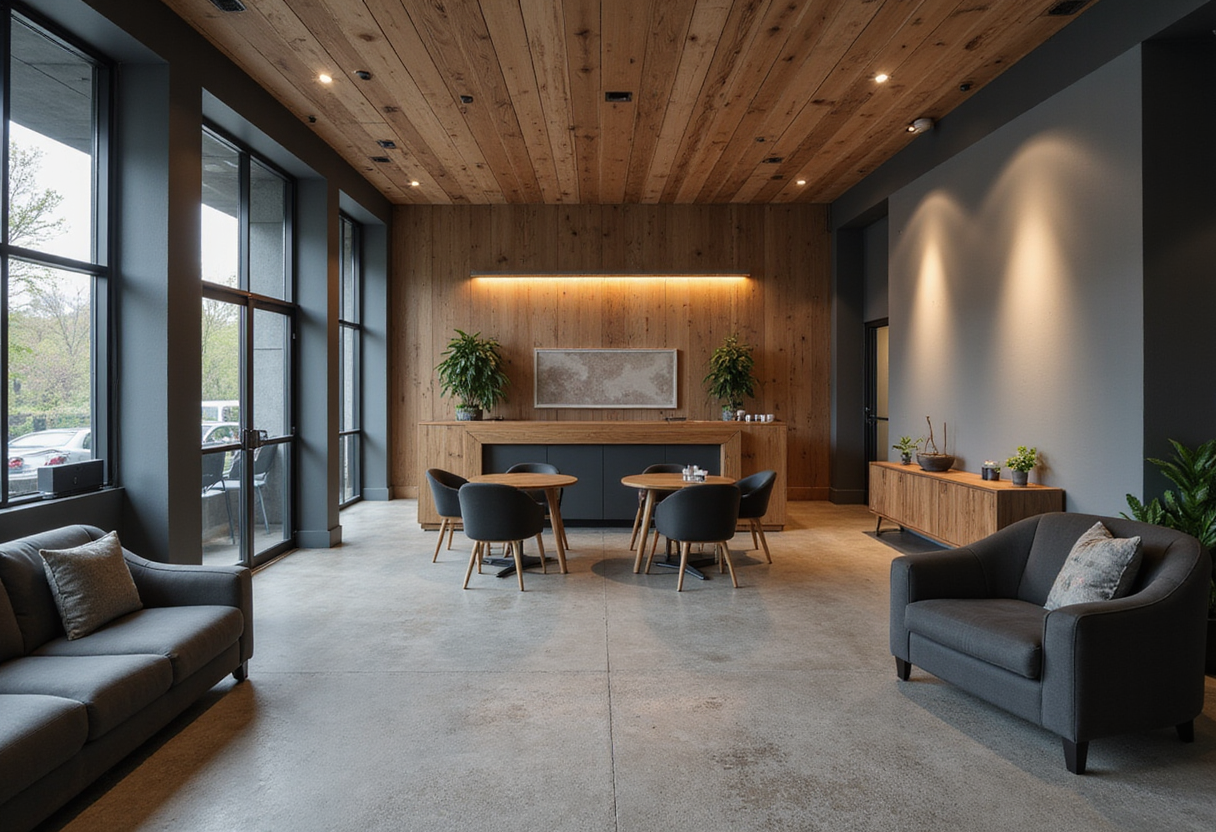
The branding signals a layered vertical program. Laneway-level spaces typically carry the highest-value F&B and bar revenue per square meter in Melbourne hospitality, while upper floors command premium room rates on view and light. A design that deliberately connects the two — moving guests from street-level entry through to rooftop amenities — engineers multiple spend occasions per stay rather than relying on room rate alone.
That menu-and-space structure reflects the revenue-mix strategy most owner-developers now pursue in Australia's hotel market: rooms alone rarely deliver target returns in high-construction-cost CBD towers, so F&B, events and rooftop venues carry a growing share of the pro forma.
How does the opening fit Melbourne's hotel pipeline?
Melbourne's accommodation sector has absorbed a steady run of new supply post-pandemic, and each 200-plus-room addition pressures rate rather than occupancy across competing properties. A locally owned entrant with a distinctive vertical-hospitality concept positions on experience and ownership story rather than loyalty-program scale — the lever independents most often pull against the major flags.
The property's performance in its first year of trading will indicate whether owner-operated, design-led hotels can hold rate in a CBD where international brands continue to add keys.
More from Rebecca Stone
Show full bio
Senior reporter covering media and advertising at The Pass Brief.
225 articles