Karl Lagerfeld's Licensing Chief Warns: A Brand Above the Door Is Not Enough
A famous name above the door guarantees nothing, panelists in Milan warned. Karl Lagerfeld, Kerten Hospitality and Pininfarina laid out what makes fashion-brand hotels work.
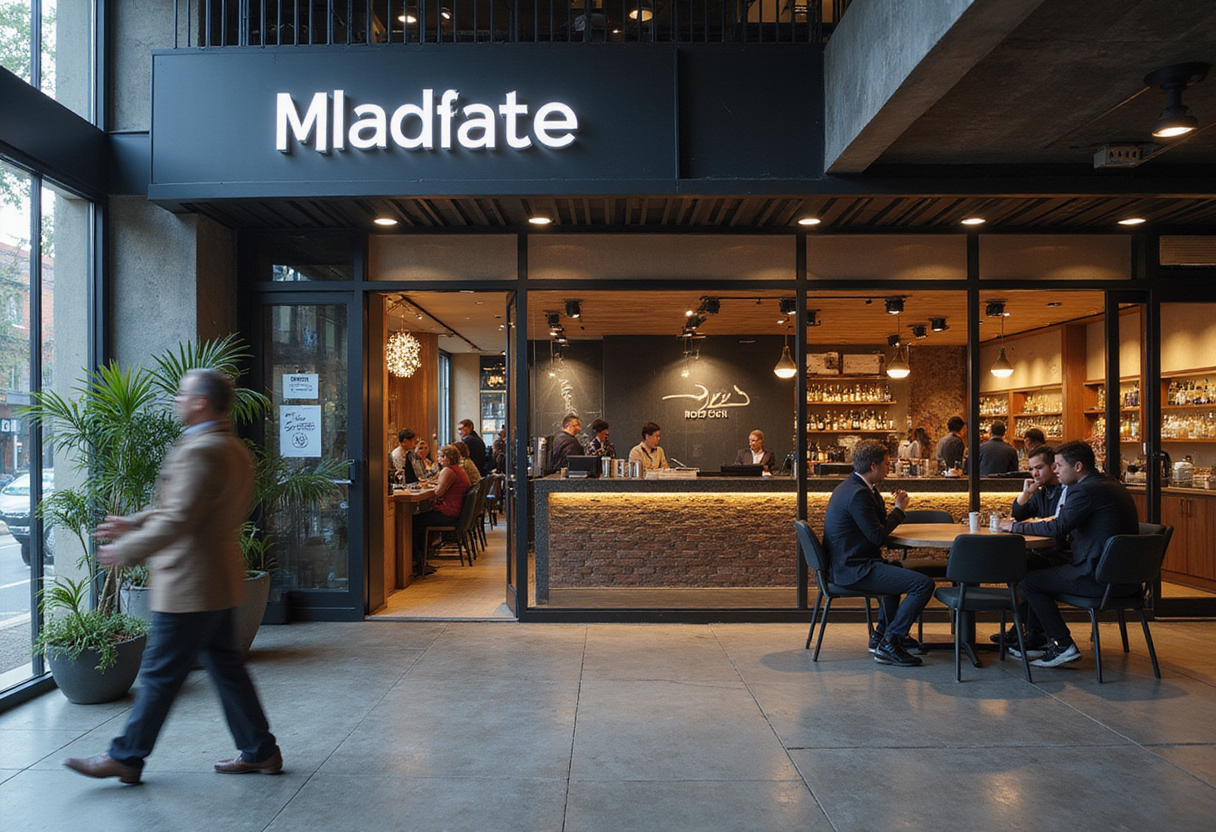
Kerten Hospitality operates 55 hotels and lodgings across 12 brands with roughly 5,500 rooms, but its CEO says a famous name above the door guarantees nothing without humility and professionalism from every partner in the deal.
Speaking at the recent Italian Hospitality Investment Conference in Milan, panelists from fashion licensing, hospitality operations and industrial design sketched out the economics and risks of marrying retail brands with hotels and branded residences.
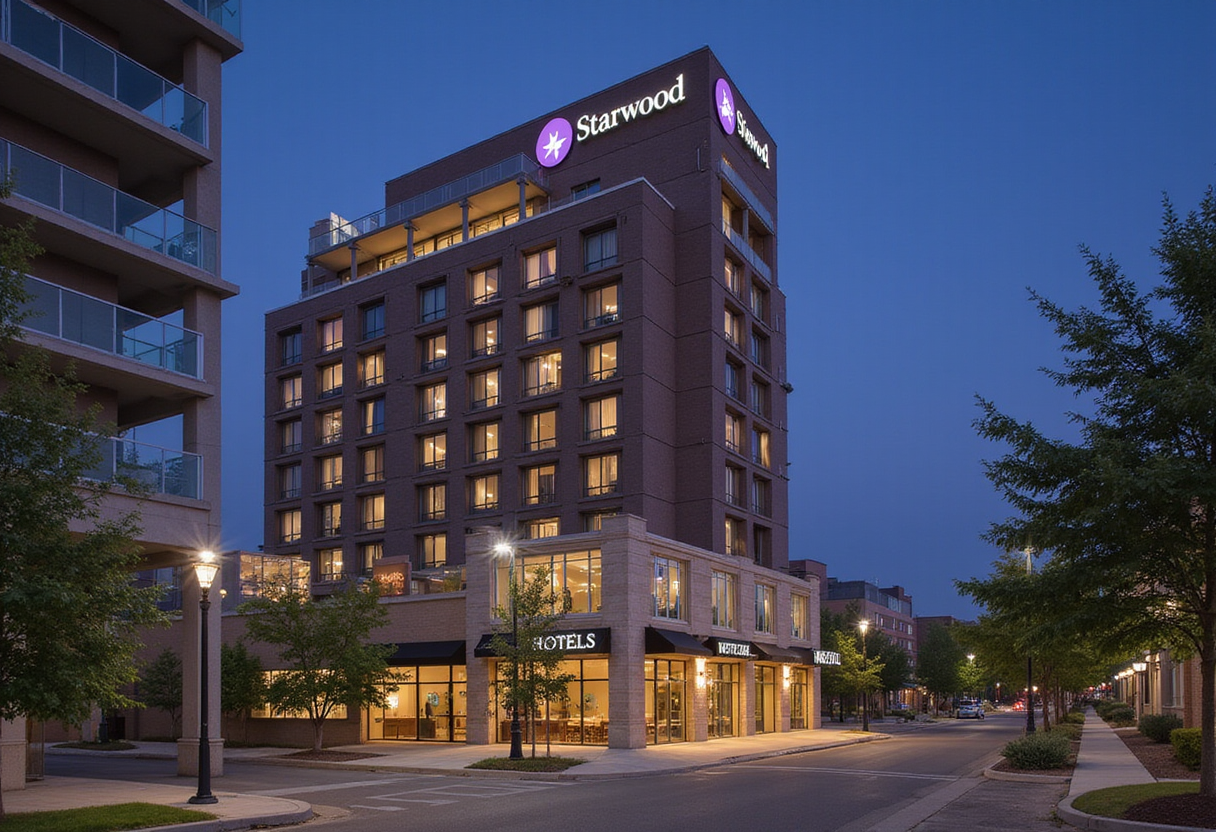
Karl Lagerfeld is the latest fashion house to move into accommodations. Its hotel interests include the 271-room Karl Lagerfeld Macau, owned by SJM Resorts. Armani, Bulgari, Versace and LVMH — parent of luxury hotel operator Belmond — have already built hotel and resort extensions of their core brands.
Why the 'love triangle' matters
Maggie Priori, Karl Lagerfeld's senior vice president of licensing and hospitality, called the developer-operator-guest relationship a "love triangle" that must be actively nurtured rather than assumed.
"If one element of that love triangle does not work, then the project is not successful," Priori said.
The first red flag, she said, appears when a hotel developer does not understand the retail brand — a failure that can force the brand to seek alternative partners. Founders of these brands hold particular visions for everything their name touches, including prospective hotels and branded residential units, she added.
Who brings what to the deal
Marloes Knippenberg, CEO of Kerten Hospitality, argued that developers and branded operators carry their own development and operations experience, which is a vital component of any licensing conversation.
The search for luxury begins with authenticity and credibility, she said — emotions run high, and a notable brand does not automatically bring success.
Giovanni de Niederhäusern, senior vice president of product and nautical design for Pininfarina, said all parties must know and feel the hotel product is "something that is solid," with quality beyond question. Pininfarina, the chassis and car builder behind designs for Alfa Romeo, Ferrari and Maserati, has licensed its name for hotels in San Diego and Porto de Pedras, Brazil, plus branded residence complexes in Dubai and Ras al Khaimah in the United Arab Emirates.
What drives differentiation and repeat revenue
The structural logic panelists laid out rests on extending brand lifetime value:
-
Brand residential opportunities let a guest's relationship with a brand stretch from one or two week-long stays into partial or full ownership.
-
Intellectual property concerns arise because a hotel is a three-dimensional space materially different from a car, handbag, watch or wardrobe — the brand must be designed, portrayed and served correctly in physical form.
The non-negotiable, panelists said, is translating prized brands into experiences that cannot be replicated in other hotel properties — or at all.
As more disposable income flows to luxury and lifestyle hotels, experience increasingly drives differentiation of hotels and destinations, according to the panel.
Kerten's own expansion illustrates the push into hard-to-replicate product. The company opened the 28-room Rifugio Colere 1600 by Cloud 7 Hotels in February, an alpine property in the Italian Alps 40 miles northeast of Bergamo and accessible only by gondola-style chairlift. Rifugios — mountaintop hospitality properties — range from basic shelters to luxury hotels, with food and beverage offerings spanning the same spectrum.
With fashion houses still queuing to license their names into hotels and residences, the panel's message to developers was blunt: brands will walk away from partners who do not understand the product, and experience, not the logo, is what converts guest spending.
More from Daniel Okafor
Show full bio
Correspondent covering consumer brands and retail at The Pass Brief.
216 articles