Hyatt, Extell bring 1,800-room StandardX to Times Square
Hyatt and Extell plan an approximately 1,800-room StandardX in Manhattan’s Theater District, opening in the second half of 2028 as the brand’s North American debut.

By Olivia Hart
Hyatt Hotels Corporation and Extell Development Company plan to open an approximately 1,800-room StandardX in Manhattan’s Theater District in the second half of 2028, marking the brand’s North American debut.
The project places StandardX, a sibling brand of The Standard, in a flagship at Times Square. The announcement does not disclose the construction budget, room-rate plan, projected margins or operating structure, including whether the hotel will be company-operated or franchised.
Those omissions matter at this scale. Any assessment would have to consider occupancy, staffing, procurement and food-and-beverage operations, but the announcement provides no figures for measuring them.
What does this change for Times Square?
For travelers, the immediate change is a major future addition to the area’s hotel supply, not a completed amenity with published rates. The second-half 2028 opening gives the market a clear date to watch, while the stay itself remains undefined.
It also leaves the property’s commercial mix unresolved. Hyatt and Extell say specifics on design execution, dining and nightlife concepts, and creative collaborations will be announced later. Those decisions will shape the hotel’s food-and-beverage potential, labor requirements and ability to spread costs across 1,800 rooms.
That separation between a large room base and a more active public environment is central to the plan. Public spaces are intended to carry the property’s theatrical character, while guestrooms provide a simpler counterpoint. The announcement does not explain how those spaces will be operated or monetized.
A design brief drawn from the block
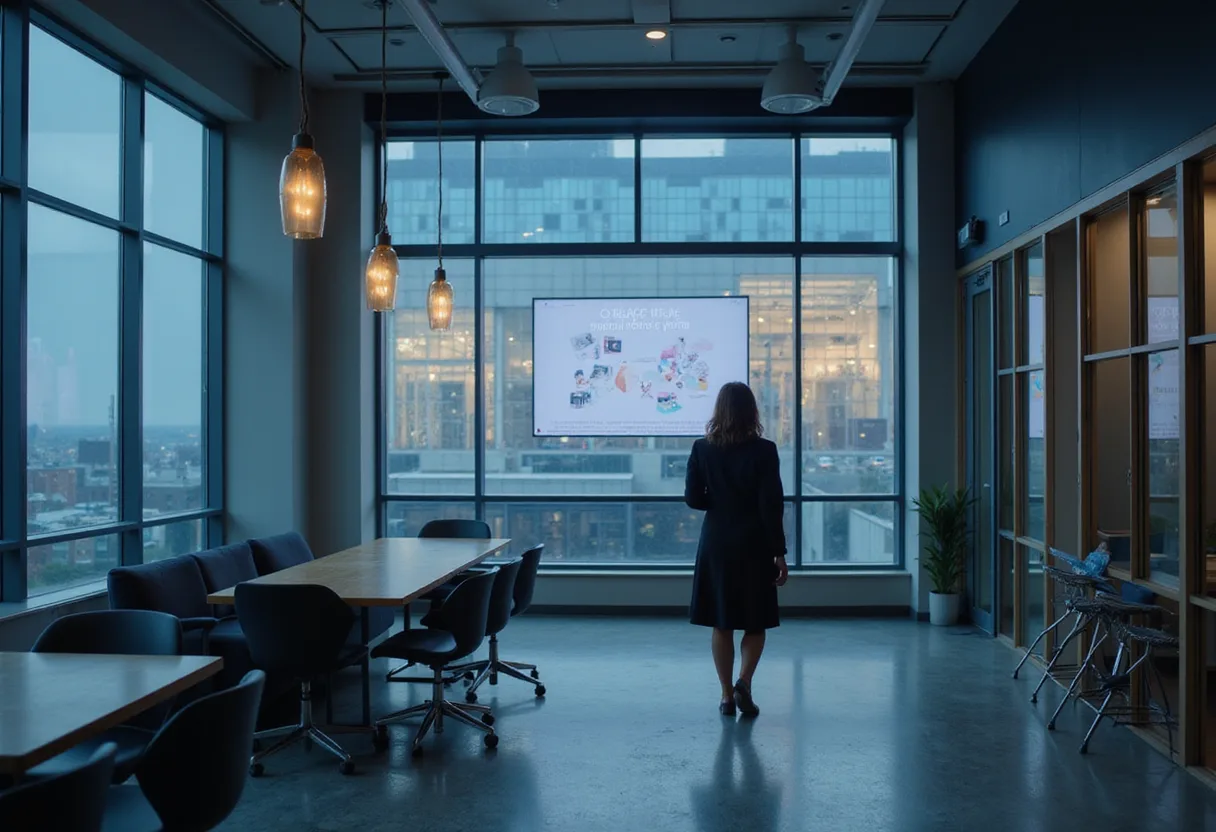
StandardX Times Square draws its design language directly from its surroundings: bold color, sculptural forms and reflective finishes. Unexpected details will nod to the Theater District’s theatricality, while guestrooms will remain expressive but straightforward.
“The Standard brand has always been about being part of the city,” Amar Lalvani of Hyatt said. “With StandardX hotels, we’ve taken that same idea and made it simpler and more accessible. Usually, that means putting people in the middle of an interesting neighborhood, with everything happening right outside the door.”
“In Times Square, a lot of it will be happening right inside the building,” Lalvani said. “I love that. It’s energetic, theatrical, and completely over the top. We want to embrace that, have some fun with it, and create something that could only happen in New York. And only right there.”
The two statements frame Times Square as more than a location on a map. StandardX is using a local identity to guide both its design and its intended social life, rather than treating the district as a decorative theme.
New York built the brand
New York has shaped much of The Standard’s identity since the brand’s inception. Two earlier properties anchor that lineage:
- The Standard, High Line became well known for its architecture, restaurants and nightlife.
- The Standard, East Village introduced a more neighborhood-focused personality.
StandardX carries that New York history into a more streamlined format. The High Line shows the brand’s use of architecture and social spaces, while East Village shows how it can orient a property around its immediate surroundings.
Times Square follows that logic within a property designed to draw energy from both the street and its interior. The 1,800-room count gives the strategy substantial scale, but it does not tell operators how dining, nightlife or guest services will work.
What operators still need to know
The announcement’s largest unresolved issues are commercial, not aesthetic. Specific dining and nightlife concepts have not been named, and creative collaborators have not been identified. That leaves key operating inputs open, including service models, staffing requirements and the balance between company-operated and franchised functions.
At 1,800 rooms, the hotel’s economics will turn on food-and-beverage revenue, labor scheduling, procurement and the division of operating responsibilities. None of those inputs appears in the announcement, so no credible margin or cost-of-goods forecast is possible yet.
For guests, the practical answer is simple: the project establishes the size, location and timing of a major StandardX entry, but not what they will ultimately buy or experience. For Hyatt and Extell, the next disclosures will show how a neighborhood-led design becomes a workable operating model. The 2028 opening is the clearest milestone; the business proposition is still being assembled.
More from Olivia Hart
Show full bio
Staff writer covering regulation, policy and their impact on Restaurant and hotel operations at The Pass Brief.
757 articles