Trailborn expands into Yosemite with 3 resorts and 286 keys
Castle Peak’s acquisition brings 286 keys and 22 glamping sites under Trailborn management across three Yosemite-area resorts, with First Light’s owners and operating team providing continuity.
Castle Peak Holdings’ acquisition of two Yosemite lodges, coupled with a management transfer for a third, gives Trailborn management of 286 keys and 22 glamping sites across the Groveland/Yosemite portfolio. The count comprises 231 guest rooms and 22 resort glamping sites at Rush Creek Lodge & Spa and Evergreen Lodge, plus 55 standalone cottages and villas at Firefall Ranch.
The deal separates ownership from operations. Castle Peak, the investment firm behind Trailborn Hotels & Resorts, acquired Rush Creek and Evergreen, plus their manager, First Light Hospitality. Trailborn will manage all three resorts, including Firefall Ranch, whose ownership the announcement does not specify. The brand calls itself The Official Hotel of the Great Outdoors™.
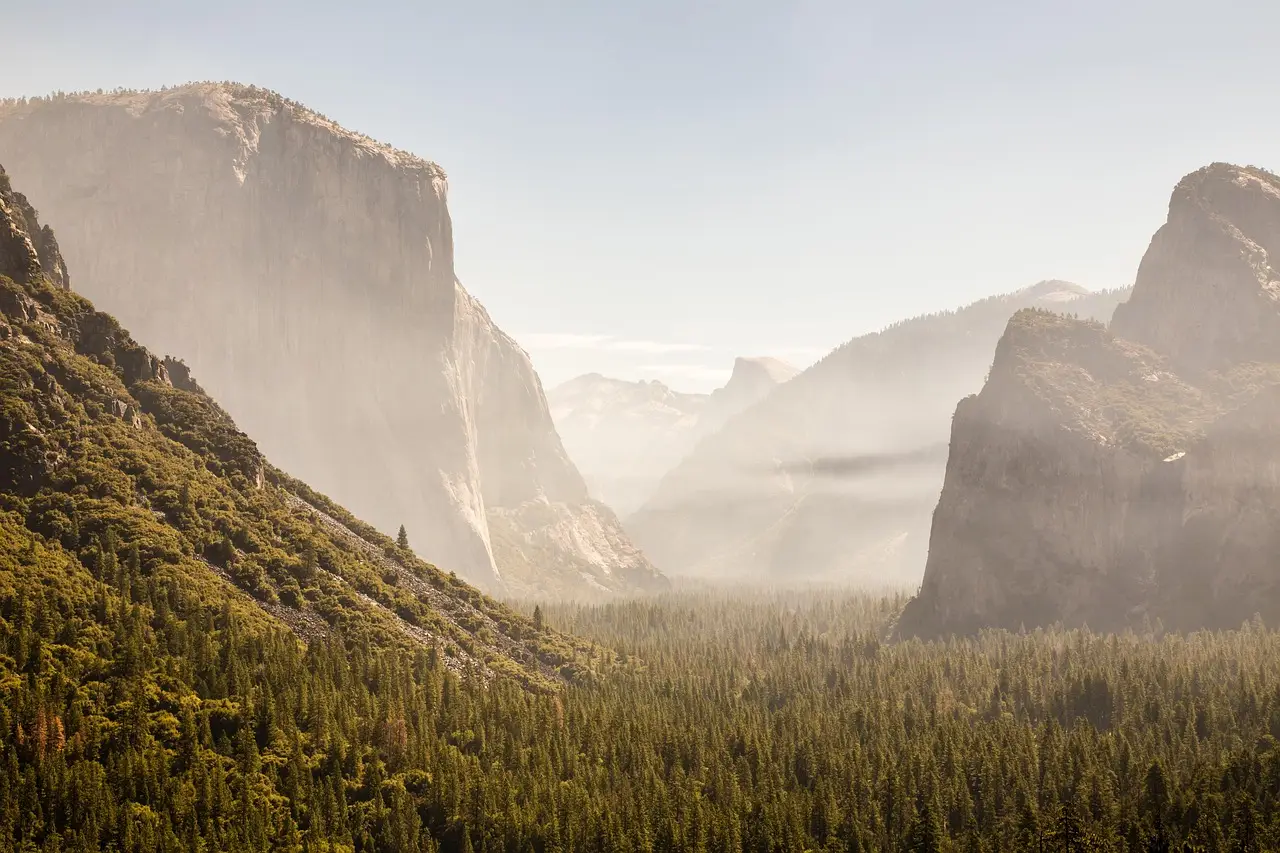
Yosemite is a UNESCO World Heritage Site, but the operating context is local. Rush Creek and Evergreen sit in Groveland, California, just outside Big Oak Flat Entrance, the direct route into the park from the San Francisco Bay Area. Together, they occupy about 43 acres.
Their dining, wellness, adventure recreation, and indoor and outdoor gathering spaces support corporate retreats, executive offsites, weddings, social celebrations and group experiences for Bay Area companies and guests within driving distance of Northern California’s major business hubs.
Evergreen Lodge traces its roots to 1921, when it supported construction of O’Shaughnessy Dam before becoming a gathering place for local and visiting families. Rush Creek Lodge opened in 2016 on a Gold Rush-era site and has become a basecamp for exploring Yosemite. Firefall Ranch opened in 2024 across 300 acres with 55 standalone cottages and villas.
Trailborn describes Firefall as one of the area’s most sought-after resorts.
Evergreen and Rush Creek are Certified B Corporations, meeting social-sustainability and environmental-performance standards. Both operate a fully self-funded on-site youth employment program alongside other environmental initiatives. Together, the lodges have served more than 1 million guests over 25 years, according to their longtime owners.
First Light’s longtime owners, Brian Anderluh and Lee Zimmerman, spent 25 years building and stewarding Rush Creek and Evergreen. The management company brings local operating knowledge and longstanding community relationships.
The operating team stays close. Trailborn plans to welcome First Light’s experienced staff into its organization while assuming management, and says it will seek input from employees, guests and the local community before rolling out enhancements. Joe Juszkiewicz will remain director of operations, leading day-to-day work across all three properties.
“It’s been a remarkable 25 years building the lodges and our team, creating our innovative youth employment program, receiving the B Corporation ‘Best for the World’ award for our social impact, and serving over a million guests,” said longtime owner Lee Zimmerman.
“We are honored that Trailborn will carry our legacy into the next generation, continue our social initiatives, thoughtfully steward these unparalleled properties, and keep bringing immense joy to Yosemite visitors of all ages and origins,” said longtime owner Brian Anderluh.
Castle Peak Co-Founder and Co-CEO Ben Weinberg said the company respects what Anderluh, Zimmerman and their team built over more than two decades. Trailborn will carry that legacy forward alongside the people who know the properties, while investing in the guest experience.
What does the deal change for guests and workers?
The immediate change is management, not an operating reset. For guests, the answer is continuity for now: enhancements will come over time with employee, guest and local-community input, while Juszkiewicz remains. For workers, the announcement points to team continuity and a common structure, but specifies no staffing levels or wage terms.
The financial terms remain outside the announcement. Castle Peak disclosed no purchase price, room rates, capital spending, staffing costs, occupancy targets or Firefall ownership. The operating stakes are still clear: 286 keys plus 22 glamping sites across three properties under one manager.
That arrangement extends Trailborn’s national-park footprint, which already includes properties serving the Grand Canyon, Grand Teton and Yellowstone. It also gives the brand a three-property group-event platform in the Groveland/Yosemite market, with lodging, dining, wellness and recreation space for Bay Area companies.
How does this fit Trailborn’s western expansion?
The Yosemite expansion follows openings of Trailborn Jackson Hole in Wyoming and Hill House at Trailborn Mendocino in Northern California. Trailborn says it has opened five distinct properties in just over a year, including the Rocky Mountains hotel and its Outpost in Estes Park, Colorado.
The list also includes Trailborn Highlands in North Carolina’s Blue Ridge Mountains, Trailborn Surf & Sound in Wrightsville Beach, North Carolina, and Trailborn Grand Canyon in Williams, Arizona, described as the most recent opening.
The announcement calls Jackson Hole and Hill House at Mendocino recent openings, while the company overview still lists both as 2026 expansions.
Mike Weiss, Castle Peak’s co-founder and co-CEO, said stewardship mattered because Yosemite can be a once-in-a-lifetime journey for international travelers and a multigenerational tradition for Californians. The resorts have long gathered families, friends and groups.
Founded by Weiss and Ben Weinberg, Trailborn builds boutique hotels from national parks to coastal cliffs and mountain towns, pairing elevated design with guided experiences led by local experts. It calls itself one of outdoor hospitality’s fastest-growing brands.
The deal expands Trailborn’s western platform by three properties, 286 keys and 22 glamping sites. The scale is clear; the returns are not.
The next test is whether investment improves the guest experience while the former owners’ youth-employment and environmental programs endure through the management transition.
More from Daniel Okafor
Show full bio
Correspondent covering companies, deals and strategy in Restaurant and hotel operations at The Pass Brief.
761 articles