The On-Trip Experience: What Guests Remember and How AI Helps Hotels Deliver It
Hospitalitynet argues the on-trip stay is what guests actually remember, and AI tools are becoming the infrastructure hotels use to deliver it amid labor and margin pressure.
Hotel operators have long structured their guest strategy around three phases: pre-trip booking, the on-trip stay itself, and post-trip follow-up. A new piece published on Hospitalitynet focuses squarely on the middle phase — the on-trip experience — arguing that this is the stage guests actually remember when they decide whether to return.
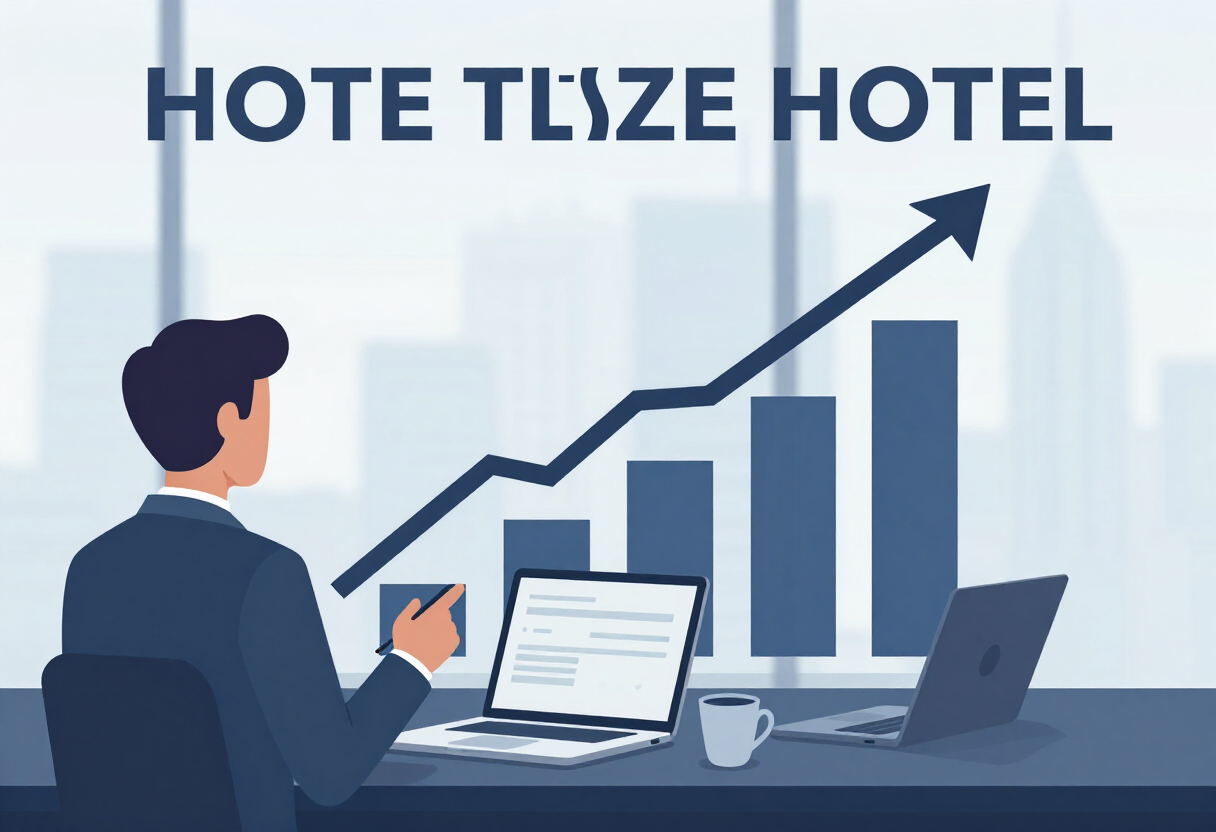
The premise is straightforward and operationally significant. Marketing spend, distribution costs and OTA commissions all get a traveler to the front desk. What happens after check-in determines whether that acquisition cost pays off in a repeat, direct booking or evaporates into a one-time transaction. For a sector where repeat guests cost dramatically less to win than new ones, the on-trip phase carries margin consequences that extend well beyond guest satisfaction scores.
What guests remember
The Hospitalitynet analysis frames guest memory as selective. Travelers do not recall every touchpoint of a stay; they remember specific moments — the speed of check-in, whether a request was handled on the first ask, the ease of getting a question answered at 11 p.m. when the front desk is short-staffed. These moments, not the aggregate of services, drive reviews, ratings and return visits.
That framing matters for operators deciding where to allocate labor and capital. If memory is episodic rather than cumulative, investment should concentrate on the moments with the highest recall value — which may not be the most expensive ones to fix.
Where AI enters the equation
The article's second thread concerns delivery. Hotels face a structural problem: guest expectations for instant, personalized service keep rising while labor markets remain tight and wage costs press on operating margins. AI-based tools are being positioned as the bridge.
In practice, these systems take over the high-volume, low-complexity interactions that traditionally consumed front-desk time — answering routine questions, managing requests, communicating with guests in their own language and at their own hour. The operational logic is that automated handling of repetitive inquiries frees staff for the service moments that genuinely require a human, while also cutting response times that guests would otherwise remember as friction.
For operators, the adoption question follows a familiar pattern: what does the system replace, who pays for it, and does it reduce labor cost or simply redeploy it. The Hospitalitynet piece positions these tools as an enhancer of the on-trip experience rather than a replacement for staff — the technology handles volume, people handle memory-making moments.
The takeaway for operators
The piece lands on a point with commercial weight: the on-trip experience is where brand perception is actually manufactured, and AI is rapidly becoming the delivery infrastructure for it. Hotels that treat the stay itself as their primary product — and equip it accordingly — are the ones positioned to convert satisfied guests into direct-repeat revenue rather than paying to reacquire them.
Expect the on-trip phase to remain the focal point of hotel technology investment as operators look to defend margins while meeting guest expectations for immediacy and personalization.
More from Elena Vasquez
Show full bio
News editor covering industry trends and analytics at The Pass Brief.
99 articles