Digital Hotel Ordering Should Buy Service Hours, Not Headcount Cuts
Shiji's analysis argues hotel digital ordering should reallocate staff time toward service, not headcount cuts — provided systems connect and kitchens keep pace.
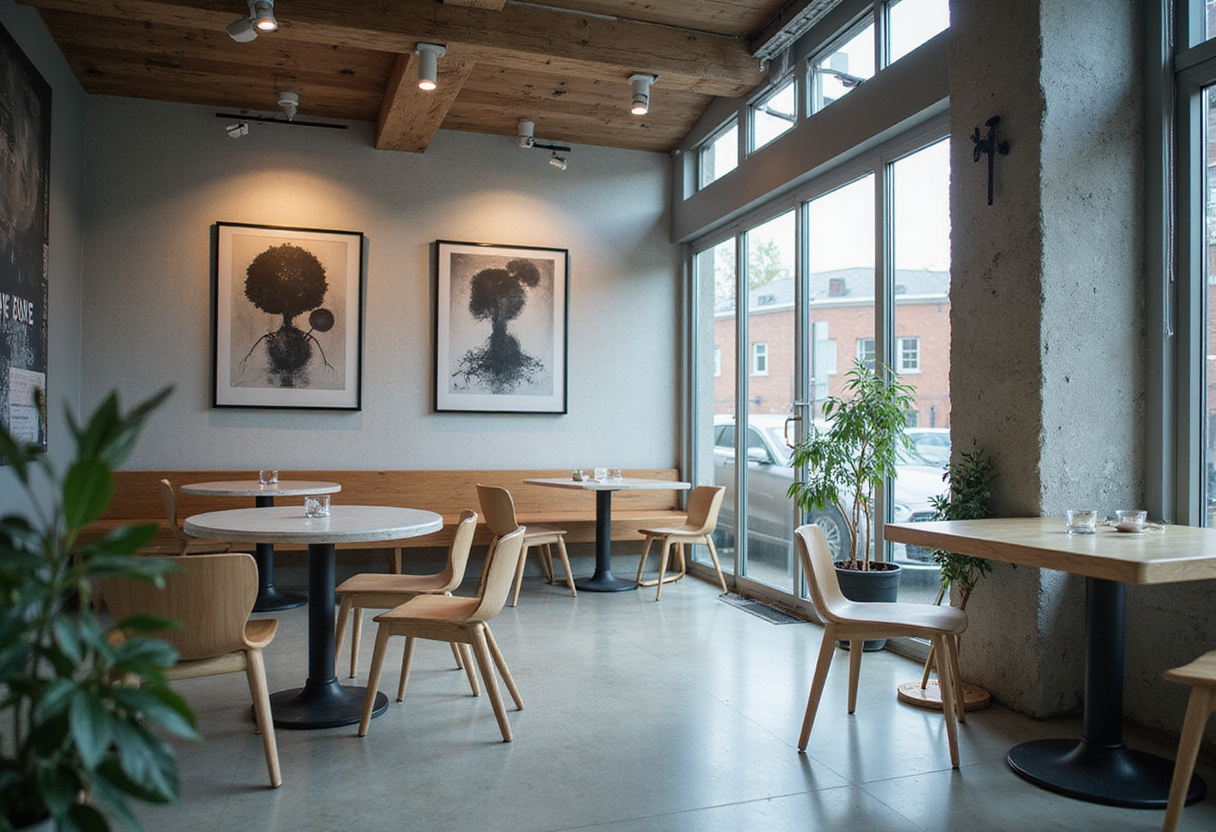
Hotel operators deploying guest-facing digital ordering should aim the reclaimed labor hours at service, not at the schedule, according to an analysis published by Shiji Group, whose cloud portfolio serves more than 91,000 hotels worldwide. The piece frames the technology as a workflow tool and warns against reading faster order capture as an automatic efficiency gain.
The central claim is a reallocation argument. When guests browse menus and submit orders themselves, staff stop shuttling information between people and systems. Shiji's position is blunt: productivity does not require staff reductions. Properties that prioritize guest experience may capture more value from holding staffing levels steady while stripping out repetitive work.
Where the friction actually sits
The analysis identifies the conventional workflow as the cost center. Employees record orders manually, then walk to a stationary point-of-sale terminal to re-enter them — an administrative step wedged between the guest conversation and the kitchen ticket. At peak periods, order-taking competes with service for the same pair of hands, and guests wait.
Menu communication adds a second drag. Guests unfamiliar with a cuisine need ingredients and preparation explained, and without visual references, staff spend table time describing dishes instead of serving them. Shiji's Insights analysis of hotel F&B technology concludes that digitizing existing tasks is insufficient; operators must first ask whether those tasks remain necessary at all.
What does connectivity change?
The operational payoff, per the source, comes when the ordering platform connects to back-of-house systems. Confirmed orders flow into the operational environment without duplicate manual entry, which removes the intermediate transcription step and the miscommunication that accompanies it.
But the piece is careful about limits. Faster order capture does not guarantee faster kitchen production. Outcomes depend on routing, processing and fulfillment, and the stated objective is accuracy and consistency of information moving through the workflow — not transaction speed. For hotels running multiple outlets, order processing, kitchen workflows and property management platforms must exchange information reliably to keep service consistent across venues.
Why privacy is a service metric
A quieter benefit cited is guest privacy. Traditional service models depend on employees initiating every exchange — approaching tables, explaining menus, returning for orders. Guest-initiated ordering lets visitors browse at their own pace and summon help only when wanted.
Shiji's framing keeps staff inside the experience. Technology changes when employee involvement becomes necessary rather than eliminating it. In-room dining illustrates the case: guests explore the full menu without calling anyone, visual descriptions demystify unfamiliar dishes, and direct confirmation reduces later clarification calls.
The caveat is honest. Digital ordering does not automatically guarantee higher usage or fewer complaints. Menu accuracy, availability, fulfillment and delivery times still drive satisfaction.
Can capacity keep up with orders?
Here the analysis is at its most operator-useful. Greater ordering capacity does not translate into greater fulfillment capacity. Kitchen throughput, prep times, delivery requirements and staffing still cap what a property can absorb. Faster submission during peak periods can simply move the bottleneck to the line, and expanding digital ordering across multiple outlets adds coordination load when teams lack shared visibility of incoming tickets.
Implementation itself carries transition costs. Front-of-house staff must learn when to intervene; kitchen staff need clarity on incoming requests; guests need guidance during adoption. Removing manual order capture delivers little if employees then spend the saved time clarifying incomplete requests.
How to measure it properly
Shiji proposes metrics beyond submission speed:
- Order confirmation time
- Correction frequency
- Guest complaints
- Orders processed per labor hour
- For in-room dining, order volume relative to occupied rooms — a control that separates genuine adoption from occupancy-driven demand
These indicators, the piece argues, must be read together. Faster order capture with rising kitchen delays is not progress. Reporting should connect ordering activity to service delivery and guest experience, with before-and-after comparisons to test whether improvements hold and to expose bottlenecks the ordering channel cannot fix.
The verdict
The strongest business case rests not on transaction speed but on whether the entire service operation becomes more responsive and reliable. Mobile ordering, connected systems and flexible service models will remain central to hotel F&B transformation, and their value will depend on how well operators coordinate order management, kitchen workflows and delivery — a point Shiji is well positioned to press across its 91,000-hotel install base.
More from Rebecca Stone
Show full bio
Senior reporter covering technology and product news in Restaurant and hotel operations at The Pass Brief.
398 articles