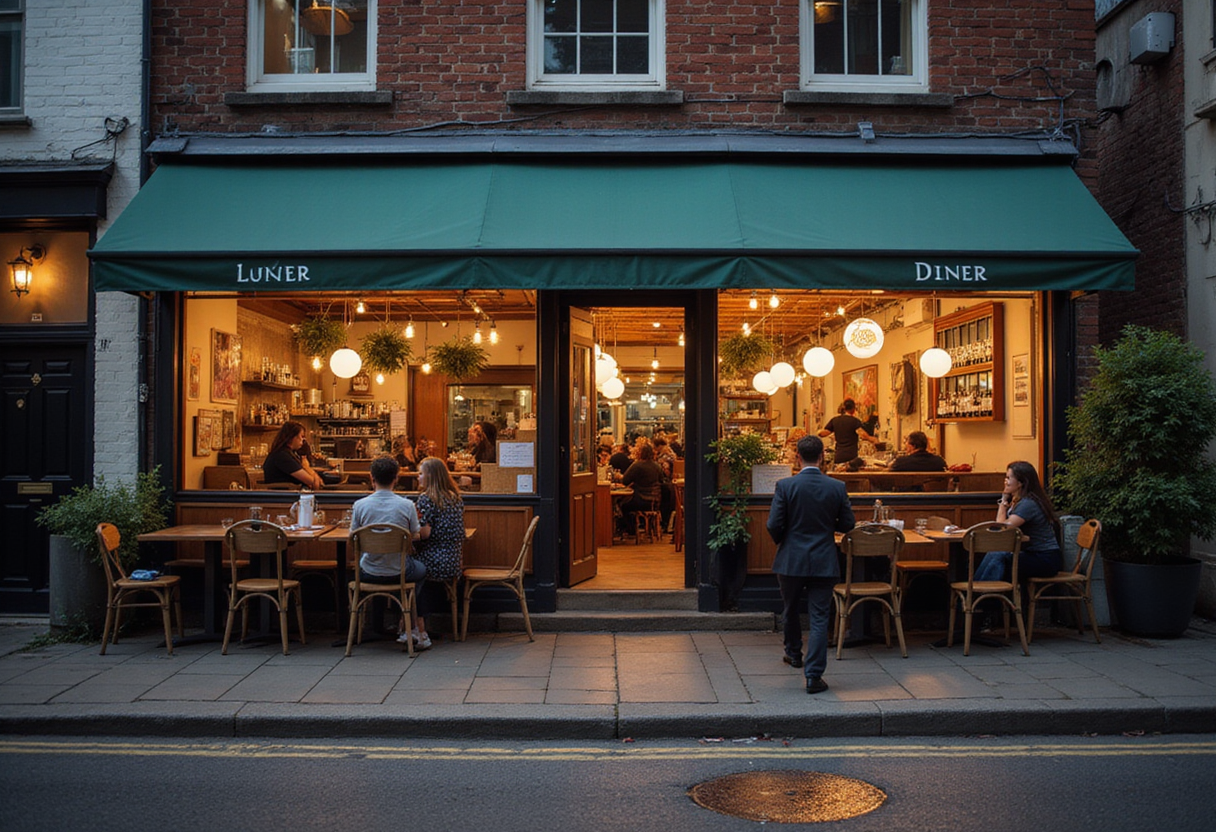
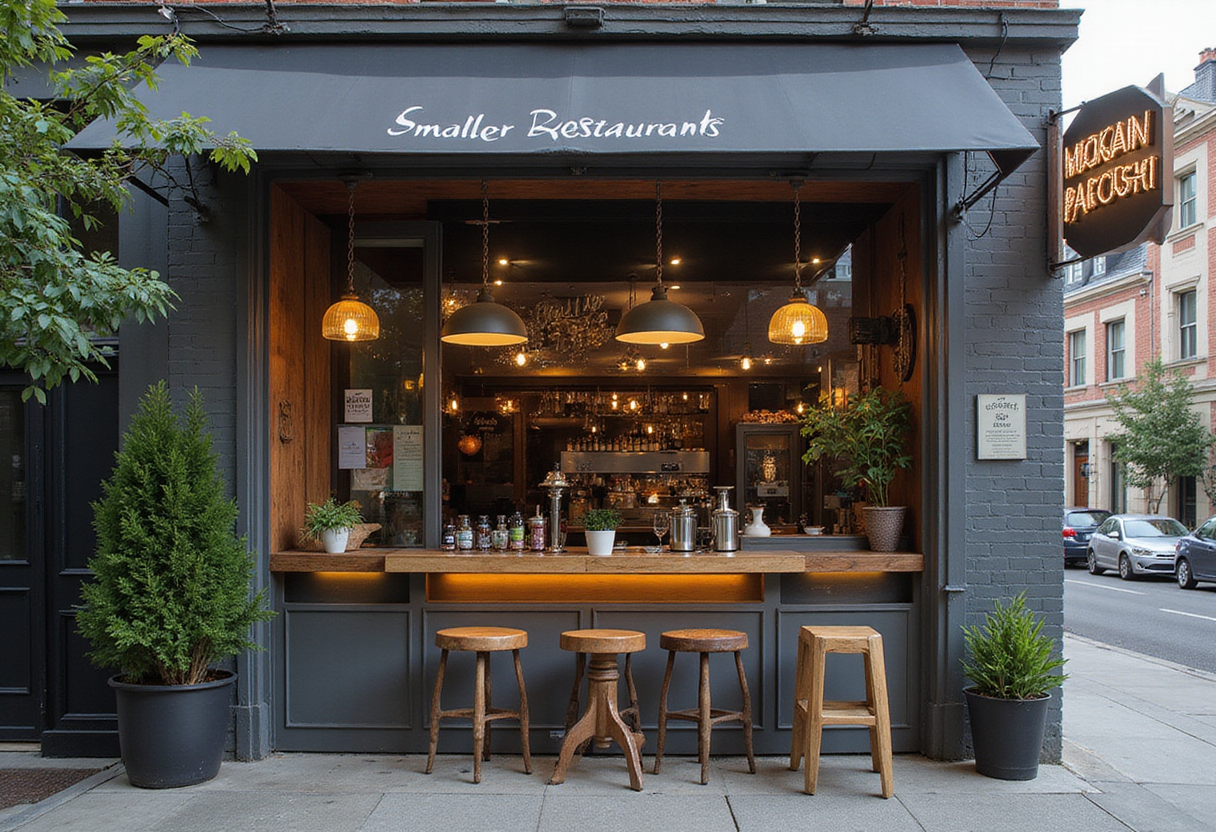
Smaller Menus May Not Be the Growth Hack Restaurants Wanted
Fast Casual magazine's recent reporting turns a five-year industry assumption on its head: smaller menus may not actually deliver the unit growth operators were promised.
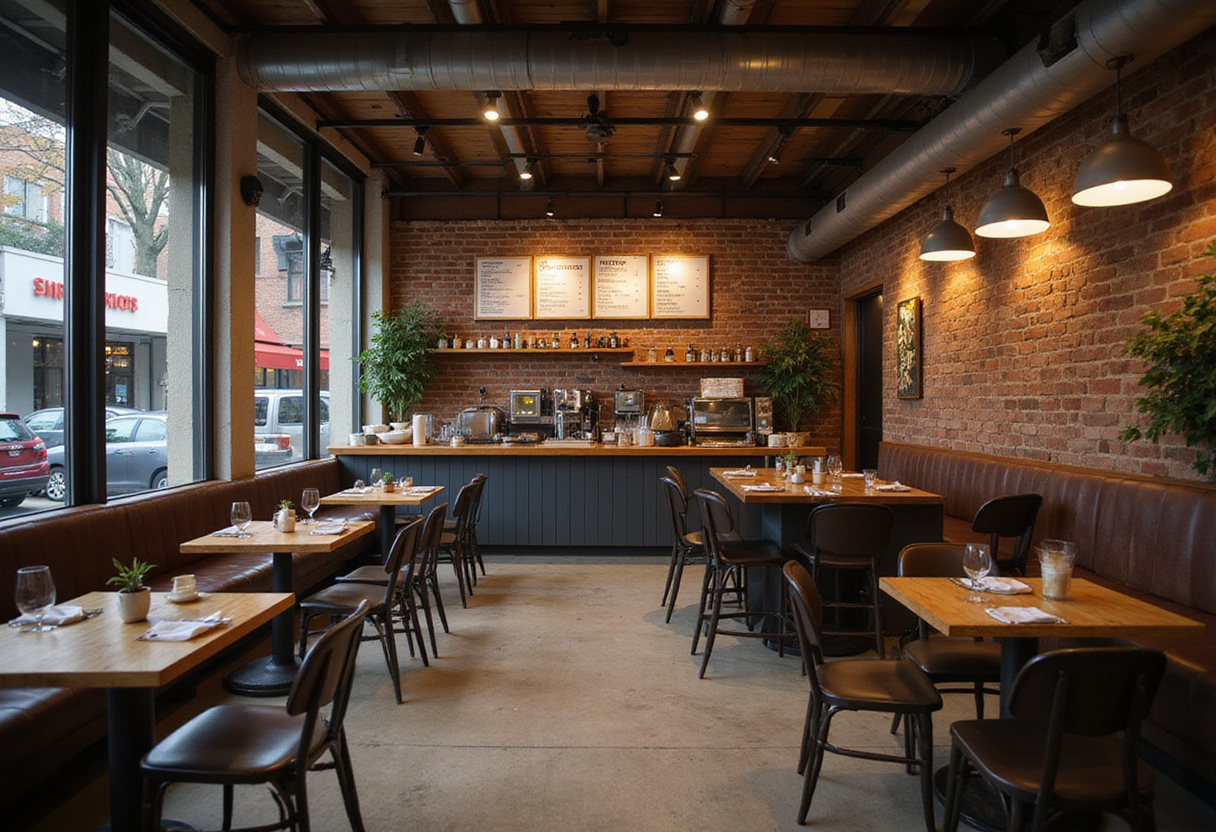
The trim-menu gospel may be on shaky ground. New reporting from Fast Casual magazine questions whether smaller menus actually deliver the unit growth operators had been promising themselves.
For half a decade, fast-casual and QSR concepts have leaned on menu simplification like it was the only lever worth pulling. The pitch always sounded clean. Fewer items meant tighter prep lines, lower labor minutes per check, and food costs that finally behaved. Operators carried it through the worst of post-pandemic supply chain chaos. Investors liked the discipline. Development teams wrote it into the next twenty-unit pipeline.
Not so fast, says Fast Casual. The outlet's reporting suggests the smaller-is-better equation doesn't always hold up under operator-level scrutiny, opening a debate that cuts to the heart of how concepts plan their coming build-out.
What does this change for operators?
Practically speaking, the finding reframes one of the trade's most repeated mantras. Boards that were already on the chopping block — the slow-moving SKU, the complicated prep no one ordered after 7 p.m. — were probably right to cut. The case gets shakier when the knife swings at seasonal specials, premium proteins, or the side dishes that quietly carry above-average contribution margin.
Why smaller menus won the post-pandemic decade
The thesis was elegant. Less kitchen complexity meant fewer training hours, fewer wasted ingredients, faster ticket times, and a tighter schedule that could absorb turnover spikes. For franchisors selling predictability to prospective franchisees, that story was gold. For publicly traded chains defending margins, it was policy.
Where the math breaks down
The problem lives on the income side of the register. A seven-item menu can be a thing of beauty operationally. It can also be a ceiling. There is less room to bundle, less canvas for the limited-time offers that lift check averages, and fewer chances to capture the second-bite purchase that decides whether a concept hits its targeted food cost percentage. Some of the segment's highest-margin SKUs live on those LTO rotations, not on the permanent board.
Operators have long sensed the subtlety. A tighter menu trims waste and labor. It can also thin out the repeat-visit base that smaller chains depend on. Strip out the higher-priced add-ons and a chain may post cleaner labor numbers while quietly leaking dollars a broader board would have captured.
What operators should ask before the next menu refresh
Three questions matter more than any consultant deck. What does the unit-level P&L actually show for the items on the bubble — and which are subsidizing the stars? Where does check average sit versus comparable concepts that lean broader? And how much of recent growth came from new openings versus same-store sales? Run those three numbers and a chief operating officer will know whether the trim really pays.
What to watch this year
The trim-menu wave arrived alongside post-pandemic labor shortages and ingredient volatility, when operational simplicity was the only reliable lever many operators could pull. Lean on that lever too long and the menu stops being a tool and starts becoming a constraint. Expect more concepts to settle on a middle ground this year — boards that prune hard on proven dead weight but stop short of the Spartan seven-item approach that defined the last cycle. The smaller-is-better era, it seems, is due for a rethink.
More from Daniel Okafor
Show full bio
Correspondent covering companies, deals and strategy in Restaurant and hotel operations at The Pass Brief.
336 articles