Sign of the Beefcarver to Close After 70 Years in Metro Detroit
Sign of the Beefcarver, a metro Detroit carvery institution, will close after 70 years, with operators citing rising food costs and COVID setbacks it never fully recovered from.

After 70 years of service, Sign of the Beefcarver — the carvery restaurant long associated with metro Detroit dining — is closing, and the operators are pointing squarely at two culprits: rising food costs and the setbacks the business never fully absorbed after COVID.
Seventy years. That's the number that stops you. A restaurant that opened when carvery-style dining was at its American peak has now run past the point where its economics work, at least as currently configured. The closure, first reported by WDIV Local 4's ClickOnDetroit, closes the book on one of the region's longest-running restaurant names.
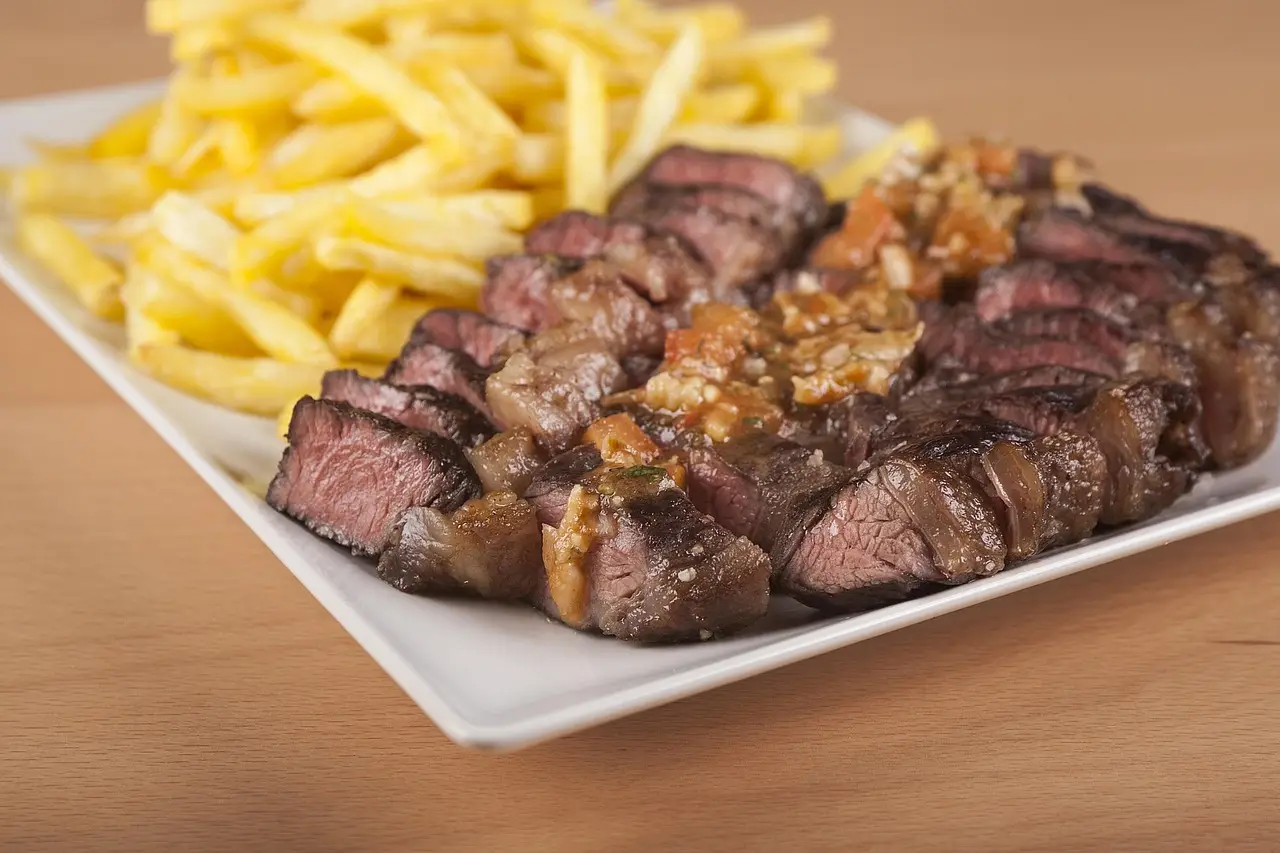
For an operation built around carved-to-order beef, the cost pressure isn't abstract. Beef is the center of the plate and the center of the P&L. When commodity beef prices climb, a carvery can't quietly re-engineer its core offering the way a fast-casual chain swaps a protein in a bowl. The menu is the cost structure. Operators in this segment typically face a choice between raising check averages on a value-oriented guest base or eating the margin compression themselves. Sign of the Beefcarver's management indicated the math no longer worked.
What pushed a 70-year-old restaurant out?
The company cited two compounding factors:
- Rising food costs — sustained increases in the ingredient costs central to a beef-focused menu;
- COVID setbacks — pandemic-era disruption from which the business said it could not recover.
That pairing matters because they rarely act alone. The pandemic drained reserves and shrunk the customer base for sit-down, full-service formats. Then post-2020 inflation raised the cost of restocking the very menu that was supposed to bring the business back. Independent and single-unit operators, without franchisor scale or supply-chain leverage, absorb those shocks with the thinnest cushion in the industry.
What does this change for Detroit-area operators?
It removes one of the market's few remaining legacy carvery names — a category already thinning nationally — and it's another signal that full-service restaurants built around high-COGS center-of-plate proteins are the segment most exposed to current commodity conditions. Older dining rooms that survived on habitual, high-frequency regulars also lost the most traffic during COVID and have been slowest to win it back.
Seventy years of goodwill, in the end, couldn't function as a hedge against the cost of the product on the carving board. Expect further attrition among independent, protein-anchored full-service operators as food-cost inflation continues to test menus that were engineered for a different pricing era.
More from Daniel Okafor
Show full bio
Correspondent covering companies, deals and strategy in Restaurant and hotel operations at The Pass Brief.
469 articles