Beef, Coffee, Tomatoes: CEOs Name Where Food Prices Are Climbing
America's CEOs keep naming beef, coffee and tomatoes when they explain where food inflation bites — a signal of margin pressure ahead for operators.
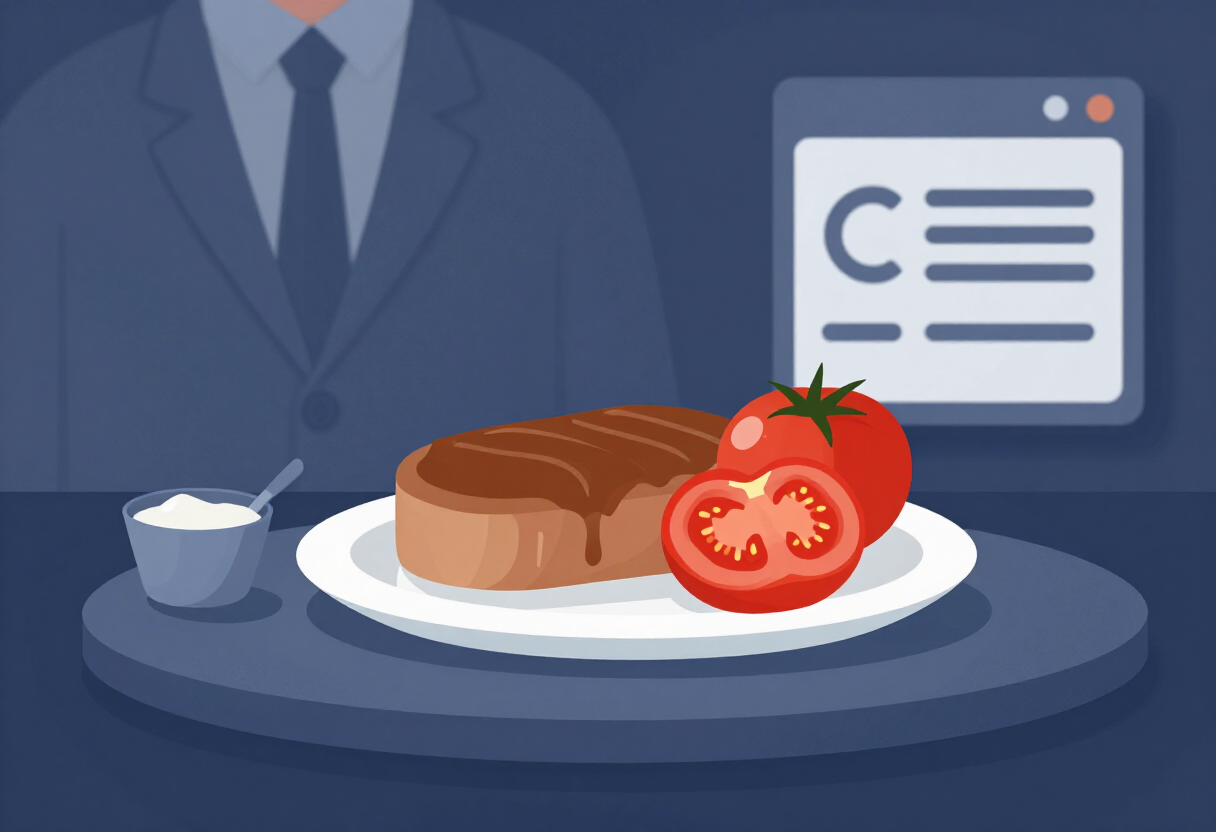
Beef, coffee and tomatoes are the three food categories America's CEOs keep naming when they explain where prices are rising, according to a Yahoo Finance roundup of corporate commentary on food inflation.
The report compiles what executives across the food and grocery sectors have told investors and analysts, and the pattern is hard to miss. When leaders talk cost pressure, they don't talk in abstractions. They name proteins, beans and produce. Three items, again and again.
For restaurant operators and grocery buyers, that specificity matters. These aren't interchangeable line items — they're inputs with distinct supply dynamics, and each one hits a different part of the menu and the margin.
Why beef?
Beef sits at the top of the list, and it's the one with the most direct margin exposure for full-service operators. Cattle supply constraints have pushed wholesale prices to levels that force chains to make a choice: absorb the cost, re-engineer the menu, or raise prices and risk traffic. Corporate leaders calling it out on earnings calls signals that the pressure has moved from procurement desks to the C-suite.
What does this change for operators and shoppers?
The practical question for anyone running a kitchen or planning a household budget: which of these three shows up on your invoice or your receipt first?
Coffee hits the morning daypart — a high-frequency, habit-driven purchase where operators have less pricing power because consumers notice a 20-cent swing on a daily item. Tomatoes ripple across everything from sandwiches to salads to sauces, and they're vulnerable to weather-driven supply shocks that can spike prices fast and briefly. Beef is the slow burn — a structural supply story that builds quarter after quarter.
CEOs naming all three in the same breath suggests the pressure is broad, not isolated to one commodity cycle.
The bigger picture
When executives volunteer commodity specifics, they're usually doing two things. They're preparing investors for gross margin pressure in coming quarters. And they're laying the groundwork — in advance — for price increases they can attribute to input costs rather than strategy.
For restaurant chains, expect more menu engineering around these items: smaller beef portions, blended formats, tiered offerings that shift mix toward chicken or plant-forward options. For grocers, expect sharper promotional discipline and more private-label substitution in coffee and produce.
Watch the next round of earnings calls. If beef, coffee and tomatoes keep appearing together in executive commentary, that's a signal the inflation is sticking — and that menu prices haven't finished moving.
More from Daniel Okafor
Show full bio
Correspondent covering companies, deals and strategy in Restaurant and hotel operations at The Pass Brief.
330 articles