SCP Opens Equity Crowdfunding Round With $300M Five-Year Growth Plan
Soul Community Planet opens a Regulation CF round to retail investors, backed by a five-year plan to deploy $300 million in equity into 2,000-plus hotel rooms.

Soul Community Planet Inc. has opened a Regulation CF offering to the public, letting retail investors buy equity alongside the institutional investors and community supporters who have backed the company and its affiliated businesses. The campaign is live now at invest.scphotel.com, with bonus shares and perks on the table — including complimentary membership to the SCP Wayfarer Club and documented Every Stay Does Good impacts made on each new investor's behalf.
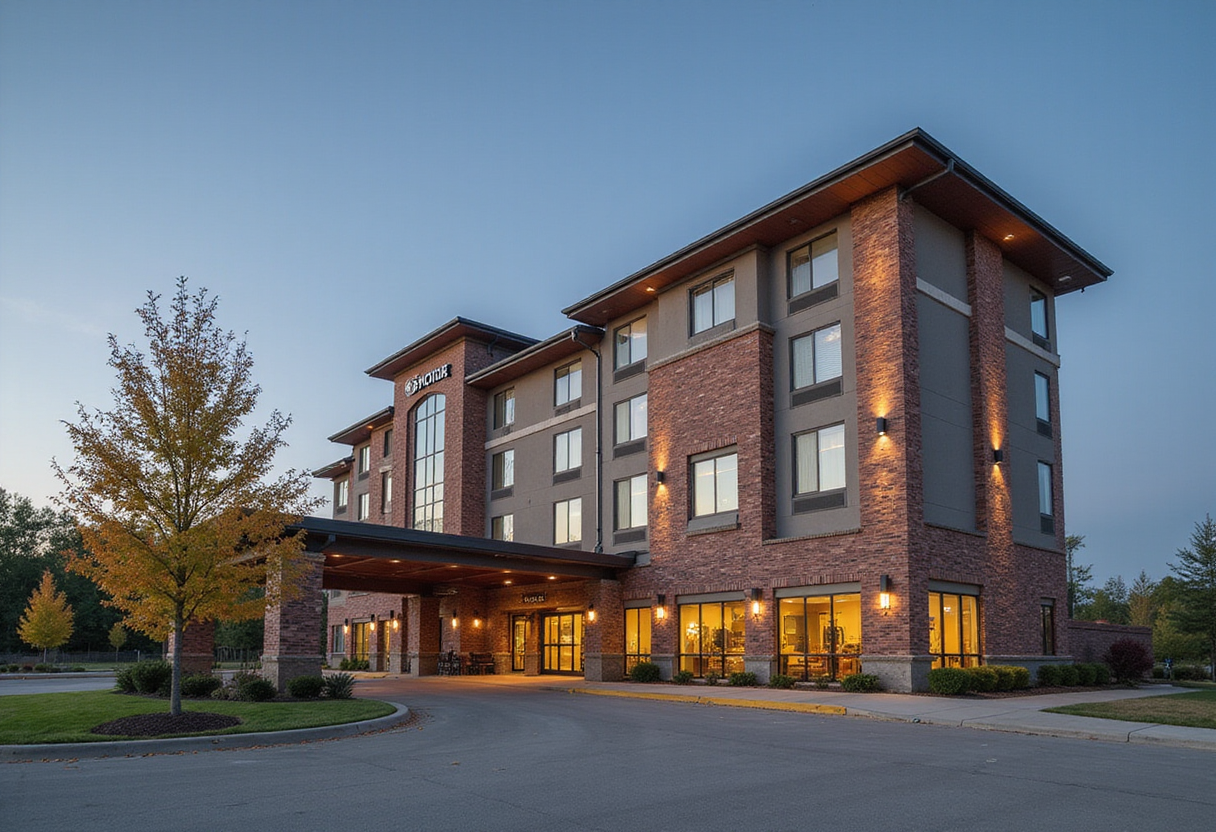
The launch pulls back the curtain on an unusual hotel company. SCP runs 10 small-format, coastal and nature-centric properties across California, Oregon, Hawaii, Colorado and Costa Rica, spread across three brand expressions: SCP WildFree, SCP Hotels and By SCP. Each property, the company says, was chosen for the depth of what its surrounding destination offers.
What does the money buy?
CEO and founder Ken Cruse framed the raise as a pivot point for the brand. "This investment offering marks a meaningful milestone for SCP, one that invites mindful travelers and values-aligned investors to become true partners in building the next generation of hospitality," Cruse said.
He added: "We've spent seven years refining the Soul Community Planet brand, proving along the way that modern travelers will go out of their way and pay more for values-driven hospitality experiences rooted in measurable positive impacts. Now, we're offering a limited opportunity for people who share our belief in traveling with intent to invest alongside us as we grow the SCP brand."
Seven years of brand-building sits behind that pitch. So does a balance-sheet ambition: SCP's five-year plan targets deployment of roughly $300 million in equity plus 50% leverage into more than 2,000 hotel rooms — though the company flags that the plan is subject to a range of risks and uncertainties outlined in its disclosures.
The structure behind those rooms matters as much as the count. While SCP operates today as a stand-alone brand, it is working toward a consolidated, vertically integrated platform that would put brand ownership, hotel management and real estate under one umbrella. That model, the company argues, would virtually eliminate the third-party fee structures and lack of control that typically dilute returns in traditional hospitality — the franchise fees, management contracts and fragmented ownership that shave margin off most hotel investments.
The impact ledger SCP is selling
SCP's pitch to values-aligned investors leans heavily on its Every Stay Does Good program, and the numbers are specific. Cumulatively through July 31, guests have facilitated the planting of more than 333,800 trees in unnaturally deforested areas through a partnership with One Tree Planted. That works out to more than 33,000 trees per property across the current 10-hotel portfolio.
In Hawaii, the company's Pristine Makai program with the Hawaii Wildlife Fund has recovered more than 145,000 pounds of waste from an ecologically sensitive beach at the southern tip of Hawaii Island. That's roughly 72 tons of debris pulled from one stretch of coastline.
The company also says its Net Zero Waste program delivered measurable, independently verifiable environmental outcomes in 2025. Its analysis presents three tiers of impact — waste reduction, diversion and circularity, and carbon sequestration — using what SCP describes as conservative, auditable methodologies grounded in EPA emission factors and peer-reviewed forestry science. That framing matters for investors: verifiable impact data, not marketing claims, is increasingly the price of admission for ESG-flavored capital raises.
Why a Reg CF round now
Regulation CF lets companies raise small-dollar equity from ordinary investors, not just accredited ones — and SCP is using it to widen its shareholder base beyond the institutions and community supporters already on the cap table. The strategy fits the brand: guests who have paid a premium for "traveling with intent," in Cruse's phrase, can now hold equity in the company behind the stays.
The offering documents, not the marketing, carry the fine print. SCP itself notes the five-year deployment plan — $300 million in equity, 50% leverage, 2,000-plus rooms — is subject to risks and uncertainties spelled out in its disclosures.
For the company, the round is a test of whether seven years of measurable impact claims can convert into retail capital. If it works, SCP gains a base of investor-believers as it pushes toward its vertically integrated platform; if it doesn't, the five-year room target gets harder to finance.
More from Daniel Okafor
Show full bio
Correspondent covering companies, deals and strategy in Restaurant and hotel operations at The Pass Brief.
330 articles