Russian Restaurants and Cafes Close as Consumer Spending Stalls
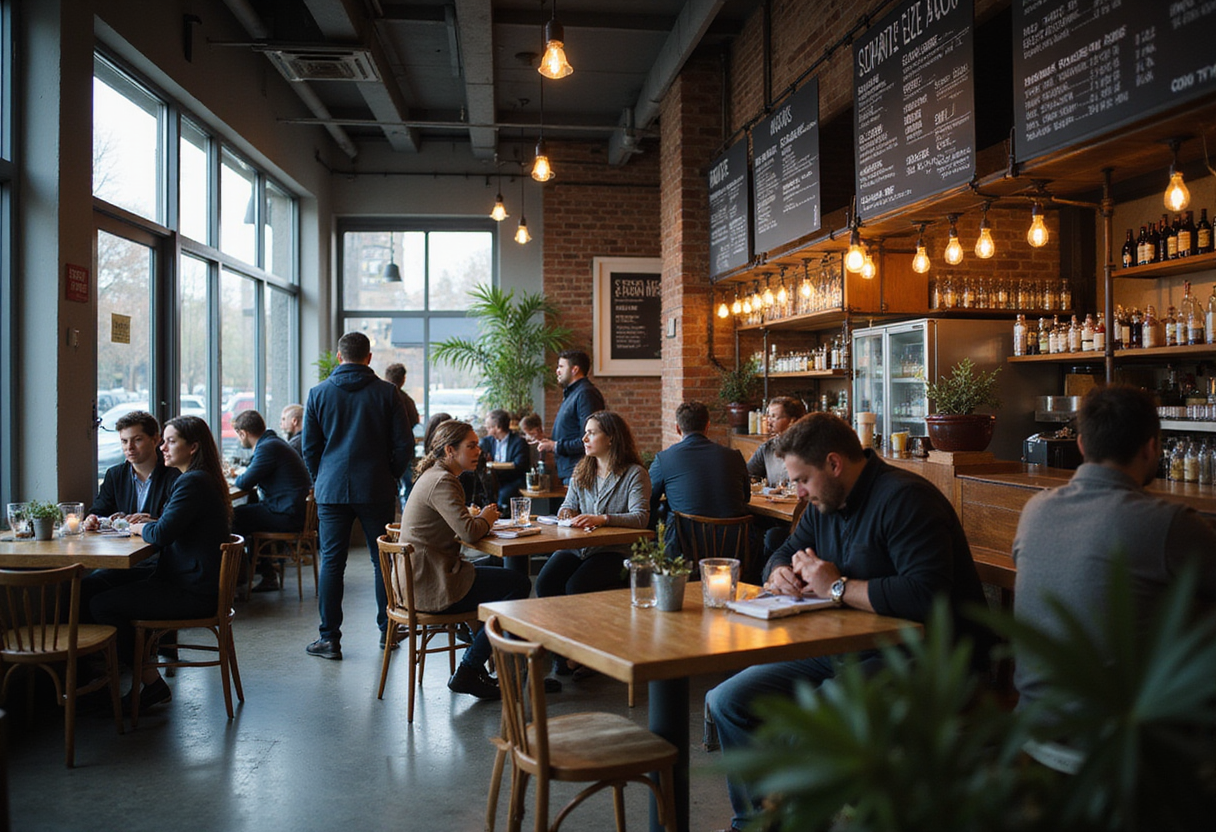
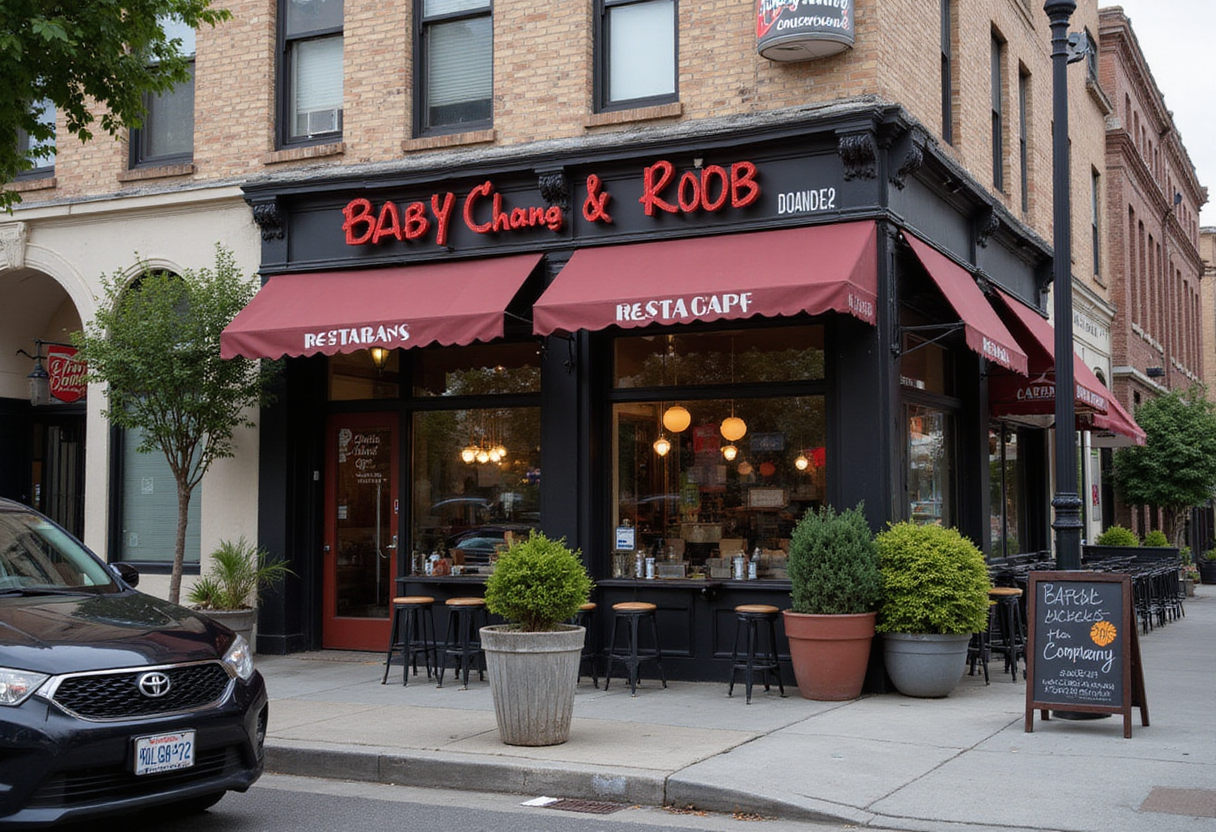
Reuters reports many Russian restaurants and cafes are closing as consumption stalls amid a major economic slowdown hitting the foodservice sector.
Restaurants and cafes across Russia are closing in growing numbers as consumer consumption stalls amid what Reuters describes as a major economic slowdown.
The Reuters report, published under the headline "In Russia, many restaurants and cafes close as consumption stalls amid major slowdown," points to a broad contraction in the country's foodservice sector rather than isolated failures of individual operators. The closure wave spans both restaurants and cafes, the two most common formats in the Russian eating-out market, suggesting the pressure is structural rather than format-specific.
Why are Russian restaurants closing?
The proximate driver, according to the report, is stalled consumption. Russian households are pulling back on discretionary spending, and dining out is among the first categories to be cut when household budgets tighten. When guest counts fall and check averages cannot rise fast enough to compensate, restaurant-level margins compress quickly, and operators with thin cash reserves shut their doors.
A slowdown of the scale Reuters describes typically hits independent operators hardest. Single-unit cafes and restaurants lack the purchasing power, negotiating leverage on cost of goods, and access to credit that larger chains and franchise systems use to absorb demand shocks. The Reuters framing — "many restaurants and cafes close" — indicates the closures are numerous enough to constitute a sector-wide trend rather than a normal attrition rate.
How deep is the slowdown?
Reuters characterizes the economic deceleration as "major," and links it directly to the closures. The causal chain the report draws is straightforward: a major slowdown in the broader economy has stalled consumption, and stalled consumption has pushed foodservice operators out of business.
For the Russian restaurant industry, this marks a significant reversal. The sector had been one of the more resilient consumer categories in recent years, with cafes in particular serving as a high-frequency, low-ticket format that tends to hold up better than full-service dining during downturns. The fact that cafes are closing alongside restaurants indicates the consumption stall is now cutting across price points and dayparts, not just premium or occasion-driven dining.
What does this mean for operators still trading?
Operators that remain open face the classic squeeze of a slowing market: fewer covers, heavier discounting pressure, and rising relative fixed costs as revenue softens. In such conditions, survival strategies usually center on menu engineering toward value-oriented items, tighter portion and waste control, and renegotiated supplier terms — levers that reduce cost of goods and labor percentage without requiring new capital.
For international observers, the Russian case is a reminder of how quickly foodservice turns from a growth category to a casualty when consumer demand contracts sharply. Restaurant closures are among the most visible, street-level indicators of household stress, because the economics of the business — high fixed costs, low margins, discretionary demand — leave little buffer.
The Reuters report does not indicate how long the consumption stall will persist or whether closures are accelerating, but it frames the restaurant and cafe shutdowns as an ongoing consequence of the broader slowdown rather than a completed correction. As long as Russian consumer spending remains stalled, further closures across both chain and independent foodservice appear likely.
More from Olivia Hart
Show full bio
Staff writer covering marketplaces and e-commerce at The Pass Brief.
231 articles