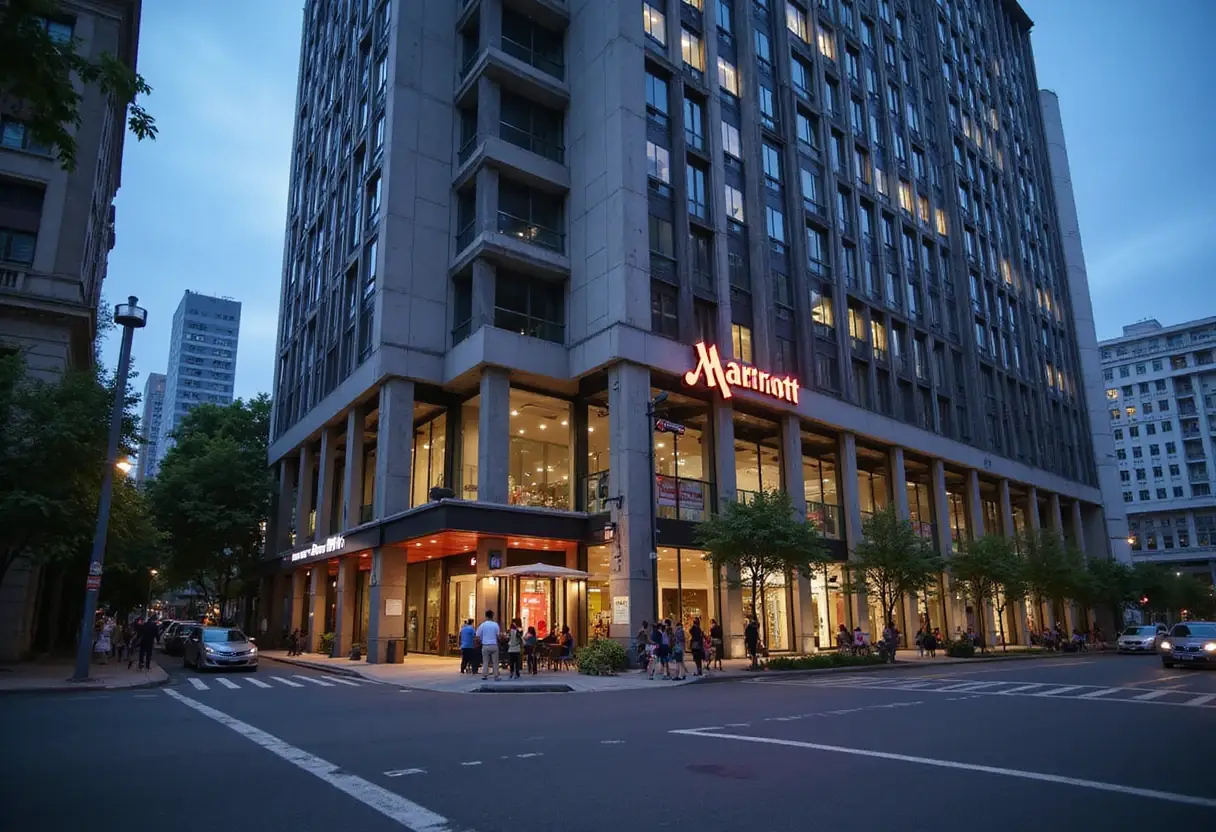
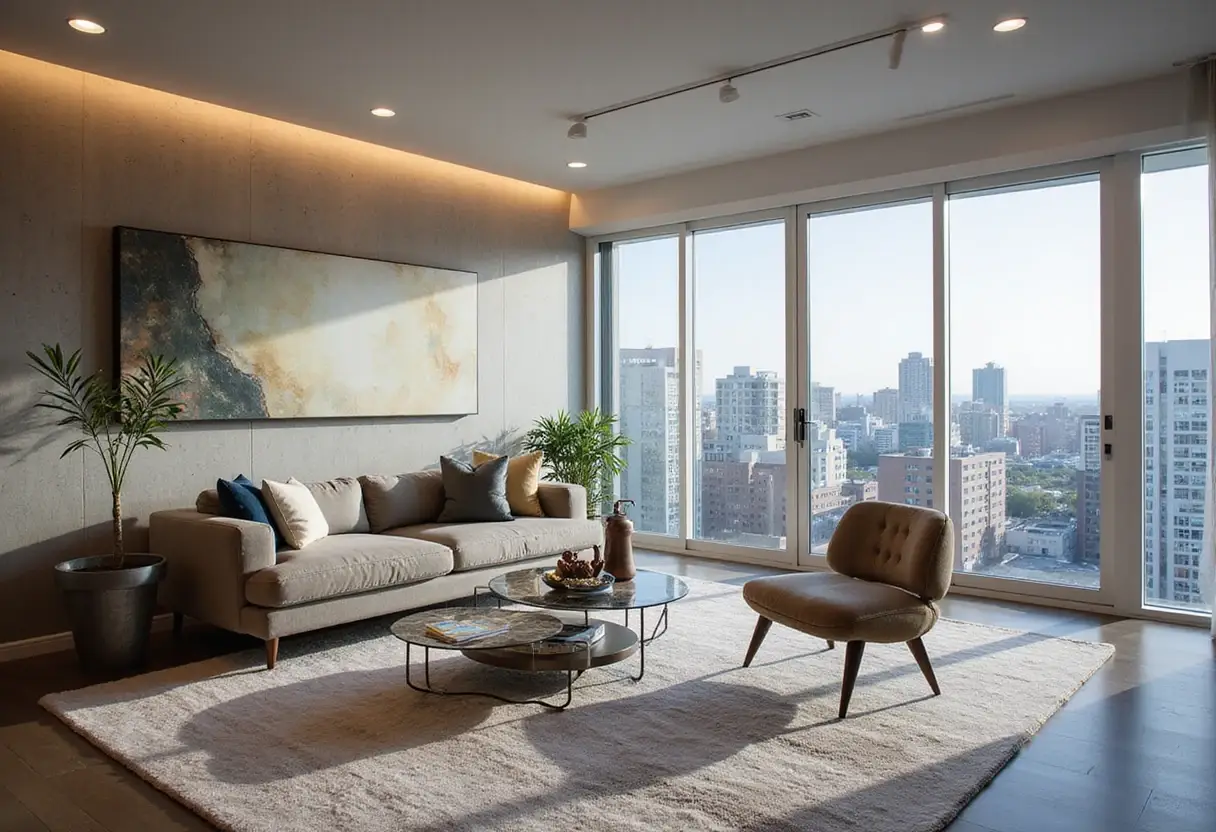
Rosewood's First Southeast Asia Residences to Rise in Bangkok by 2030
Rosewood will build 85 freehold residences over Lumphini Park with SC Asset and Tokyo Tatemono Thailand, targeting Thailand's US$6.4 billion branded-residence market. Completion: 2030.
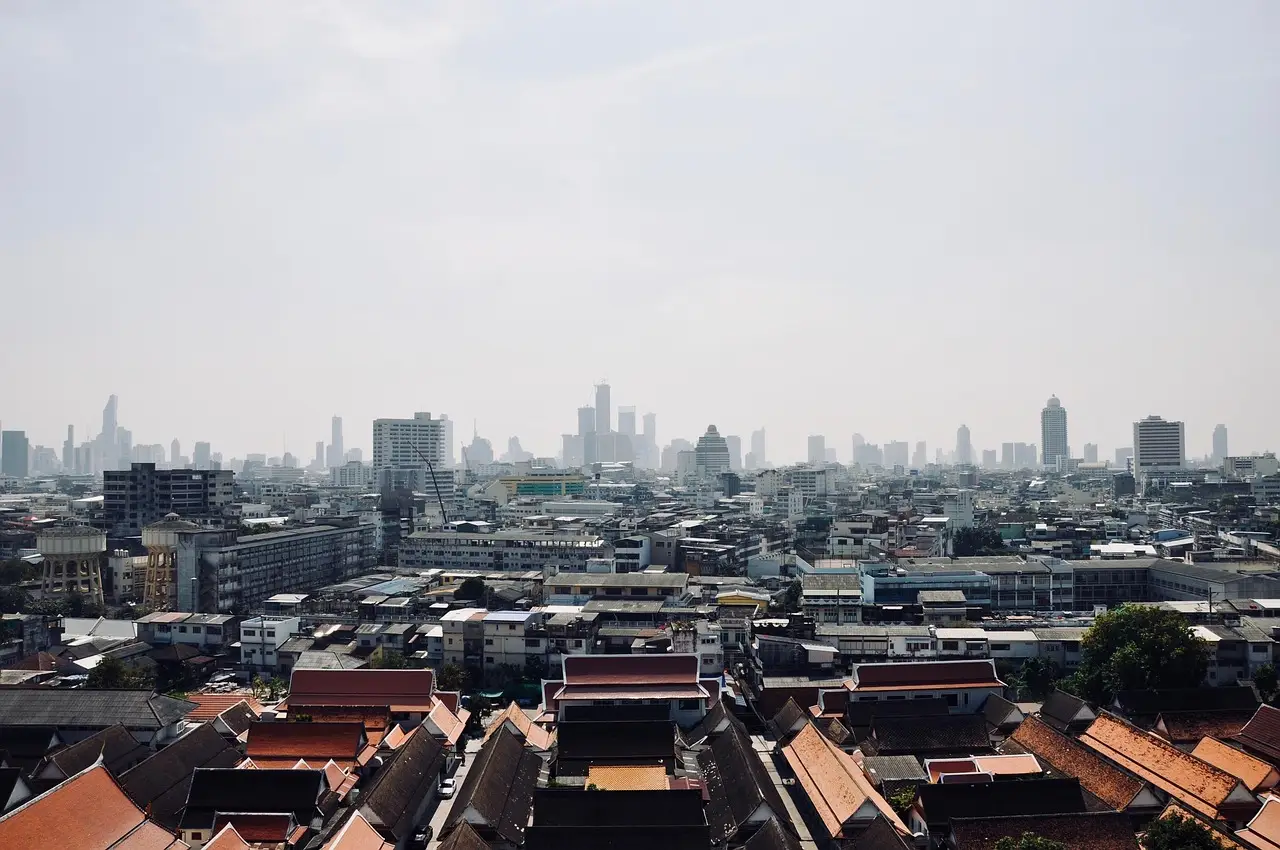
Eighty-five private residences on a rare freehold site, with completion scheduled for 2030: that's Rosewood's first residential development in Southeast Asia, announced for a plot on Rama 4 Road overlooking Lumphini Park, Bangkok's most coveted green space.
The project, Rosewood Residences Bangkok, pairs Rosewood's residential hospitality model with two developers who each bring their own market muscle. SC Asset — a name that carries weight in Bangkok's ultra-luxury segment — will develop the tower alongside Tokyo Tatemono Thailand, the local arm of a Japanese group with a 130-year heritage in quality and craftsmanship.
The freehold structure is the quiet headline here. In a market where foreign-branded residential projects are frequently leasehold, outright perpetual ownership on Rama 4 Road is scarce inventory, and it's precisely the kind of permanence that globally minded ultra-high-net-worth individuals say they want.
Why branded residences, why now?
Rosewood isn't betting on Bangkok in a vacuum. Thailand's branded residences sector is now valued at 205.3 billion baht — roughly US$6.4 billion — according to hospitality consultancy C9 Hotelworks, making it one of the fastest-growing corners of the country's luxury real estate market.
The branded-residence model works because it converts hotel-grade service into a recurring value proposition for buyers: residents of the Bangkok project will be supported by a dedicated residential team and folded into Rosewood's wider ecosystem, with access to personalised service and curated experiences across the brand's hotels and resorts worldwide.
Rosewood CEO Sonia Cheng framed the ambition in generational terms, calling the project "an address intended to be valued for generations to come." That's heirloom positioning — privacy, permanence and quality of living aimed at UHNW buyers rather than investors chasing yield.
What does this change for the Bangkok market?
For Bangkok's ultra-luxury segment, it adds a globally recognised hospitality brand to the freehold supply pipeline at a moment when the branded-residence category is expanding fast. For Rosewood, it plants a flag in Southeast Asia's residential business for the first time, extending a model the group already runs in other regions into one of Asia's most active luxury property markets.
The partnership logic is straightforward. SC Asset brings command of local ultra-luxury dynamics; Tokyo Tatemono contributes a century-plus construction and craftsmanship track record; Rosewood supplies the brand, the service architecture and the global resident community. Each party covers a cost of entry the others would struggle to fund alone.
With completion five years out, in 2030, the immediate impact is on land value signals along Rama 4 Road and on competing developers' branding decisions. The longer-term question is whether Thailand's US$6.4 billion branded-residence sector can absorb the pipeline of international flags now queuing to enter it — and Rosewood has just moved closer to the front of that queue.
More from Daniel Okafor
Show full bio
Correspondent covering companies, deals and strategy in Restaurant and hotel operations at The Pass Brief.
648 articles