Soori Penang's 15 Suites Show How Asia's Luxury Hotels Now Set the Standard
Soori Penang opened with 15 suites, not the 45 it could hold. Operators at a Singapore symposium say Asia now leads the global luxury hotel model.
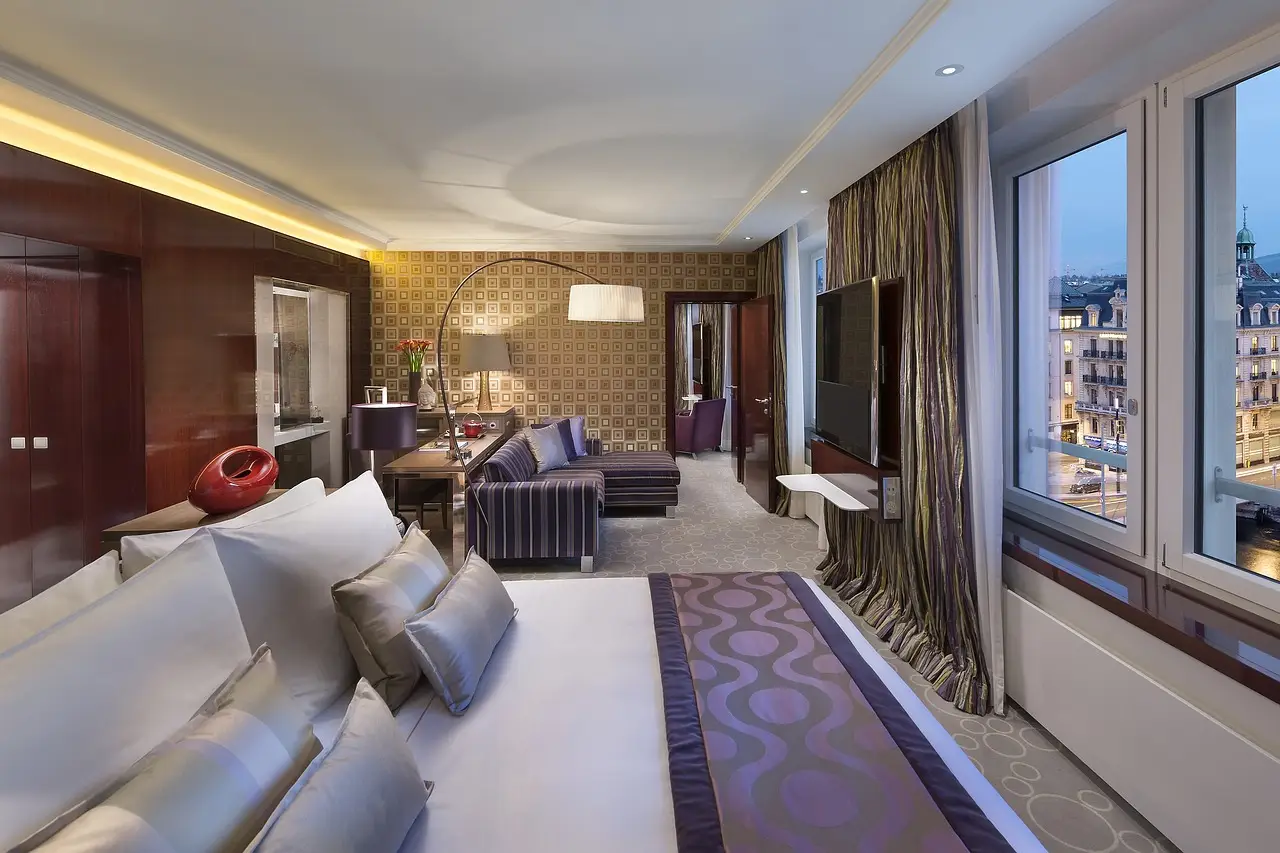
Soori Penang opened this year with 15 suites, a deliberate cap on a site its architect says could have held 45 rooms. That ratio — one third of the feasible unit count — is the clearest signal yet of where Asian luxury hospitality is heading: smaller, denser with meaning, and priced on experience rather than square footage.
Chan Soo Khian, principal architect at SCDA Architects and the property's designer, built the hotel out of converted shophouses. "We could have done 45 rooms, but I did 15 because I was trying to recollect the memory of the space where I lived," he said. Every room carries a reflective pool; the common spaces trade on light and shadow, drawn from his childhood memories of running through the area.
What replaced the chandeliered lobby?
The panel consensus, delivered at The BTLuxe Edit – Future:Legacy symposium on Oct 28 at the Shangri-La Singapore, was blunt. Grand lobbies, plush beds and staff in suits no longer define the luxury product. Guests now buy storytelling, heritage and hyper-personalisation, where warmth is conveyed through a sense of place and tailored experience.
Loh Lik Peng, founder of Unlisted Collection — which operates boutique hotels and restaurants in Singapore, Ireland and the United Kingdom — has built his brand on adaptive reuse of town halls, breweries and warehouses. "We've worked with hotels where every room is different or there are no right angles. We've put a swimming pool with a glass bottom into an old air well. They are difficult, but they are fun," he said.
Sashi Rajan, executive vice-president of advisory and asset management in the Hotels & Hospitality Group (Asia-Pacific) at JLL, framed it in asset terms. "Traditional hotels seem safer, but moving forward, it is not what consumers are looking for. Everyone wants to hear the story of the person who's bringing a project to life. Even as a consultant, we're not just looking at the shell – the design and experience within matters."
Does creativity pay?
Both Loh and Rajan stressed that design ambition collapses without commercial viability. Loh's verdict is candid: "We can dream but if you build a project that is not commercially viable, you'll go bankrupt eventually."
The economics, in his reading, now favour Asia. Asian brands are dominating award lists and outpacing the Western model in design, management and what he calls the "software" of luxury. "The East is now, in many ways, far ahead of the Western model," he said.
Chan agreed, on design grounds. European and American hotels carry the weight of their traditions and concepts; Asia does not. "If you look at the assimilation of cultural values and the spatial paradigm of Asian architecture, we are definitely leading the charge in terms of the creation of new brands and design," he said.
Where is the demand going?
The next luxury traveller, the panel argued, wants beauty, mobility and hyper-personalisation. Loh pointed to the newest cruise ships and trains entering the market as the direction of travel. "Now it's not so much the most luxurious room or the biggest swimming pool. People want the experience, and if you can combine a very luxurious experience with the travel, that's really where the market is going," he said.
He expects artificial intelligence to compress the work week to three or even two days, freeing time for travel, and shifting the luxury product toward safaris, hiking and helicopter transfers. "If we can make it all more sustainable in the next few years, it will be very promising," he added.
Chan sees the biggest edge in staff training and empowerment — hotels that let front-line employees make on-the-ground decisions, down to buying childhood candy for a returning guest. Rajan extended the point beyond boutiques: even properties with hundreds of rooms can and should personalise. "It comes down not only to the brand, but to the people who own the hotel and create its culture. Find the right leadership to run the property and you can bring it to life," he said.
The event, a collaboration between The Business Times and Schroders Wealth Management, gathered business leaders and creative founders to map the Asian luxury landscape — a map that now points east.
More from Rebecca Stone
Show full bio
Senior reporter covering technology and product news in Restaurant and hotel operations at The Pass Brief.
579 articles