Branded Residences Triple to 900+ Projects as Dubai Anchors the Market
Branded residence supply has tripled in a decade to 900+ developments, with 835 more in the pipeline through 2032. Dubai holds 31% of completions as fashion and auto brands crowd the sector.
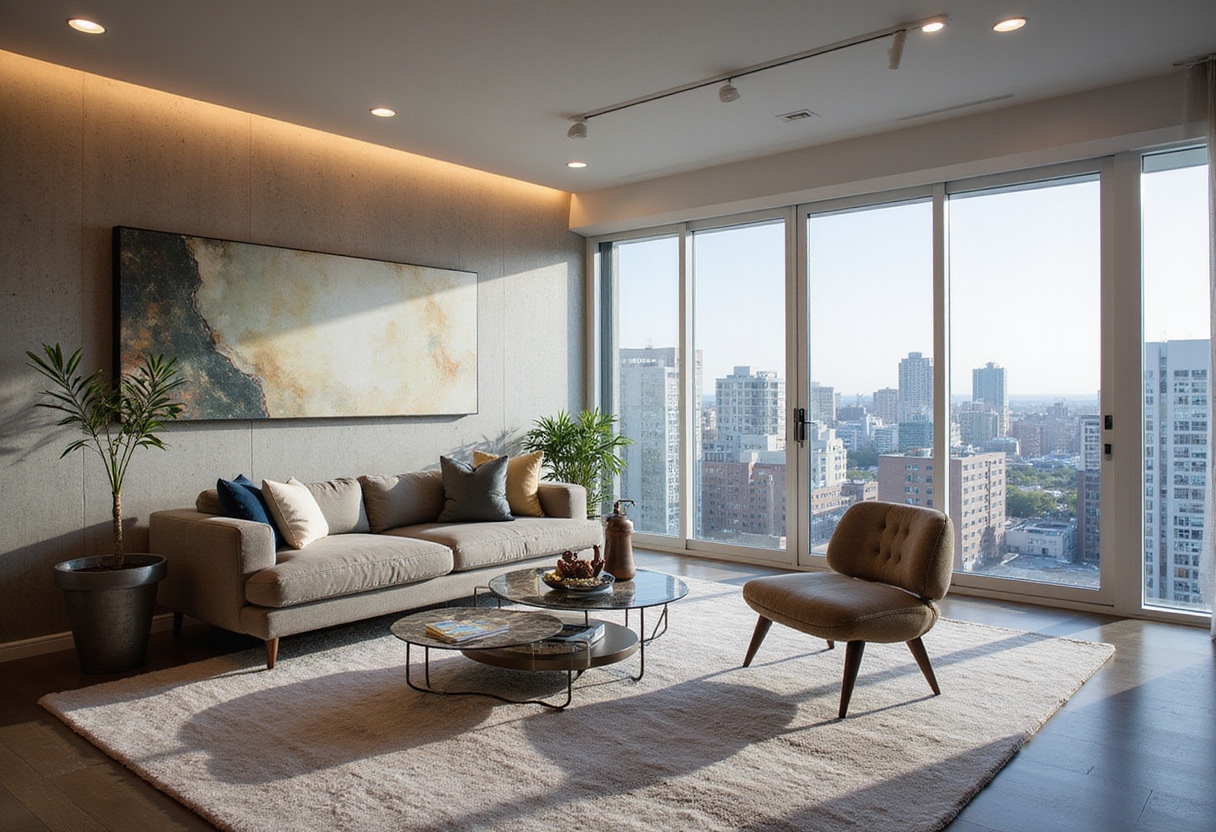
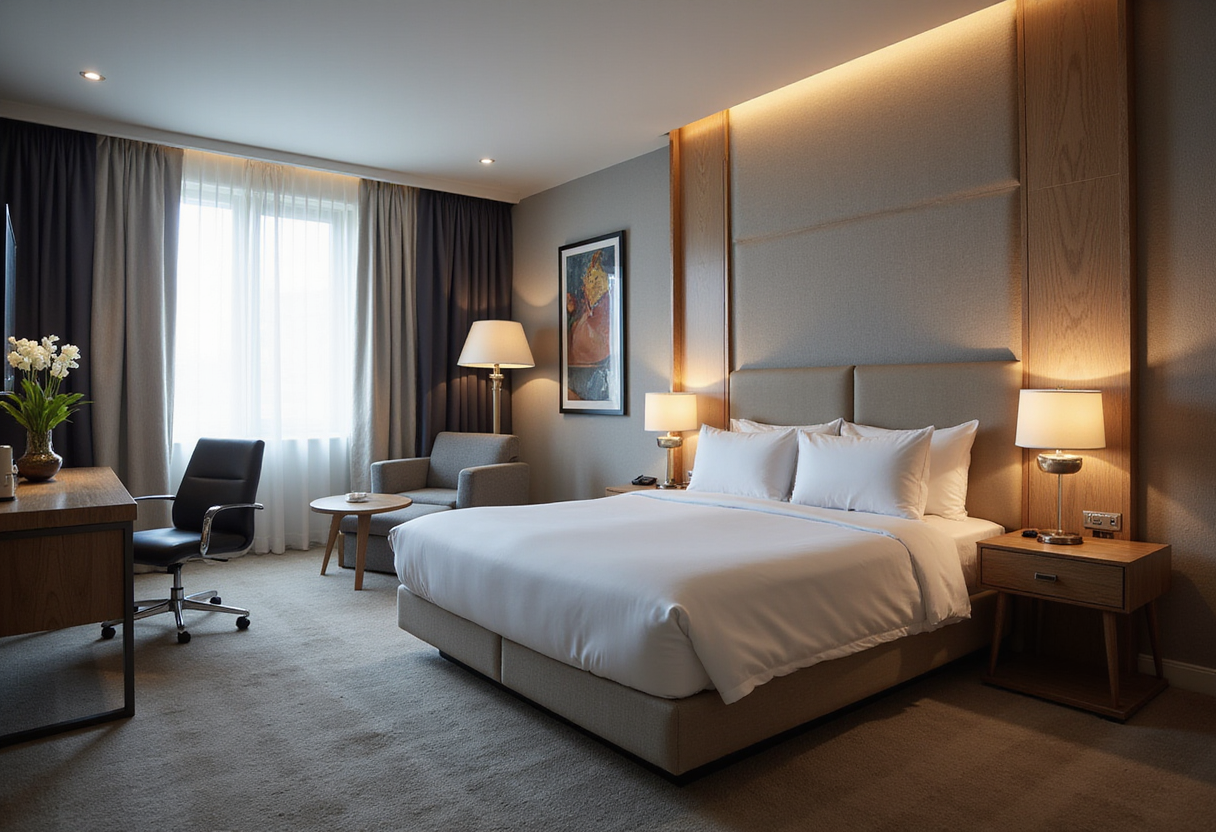
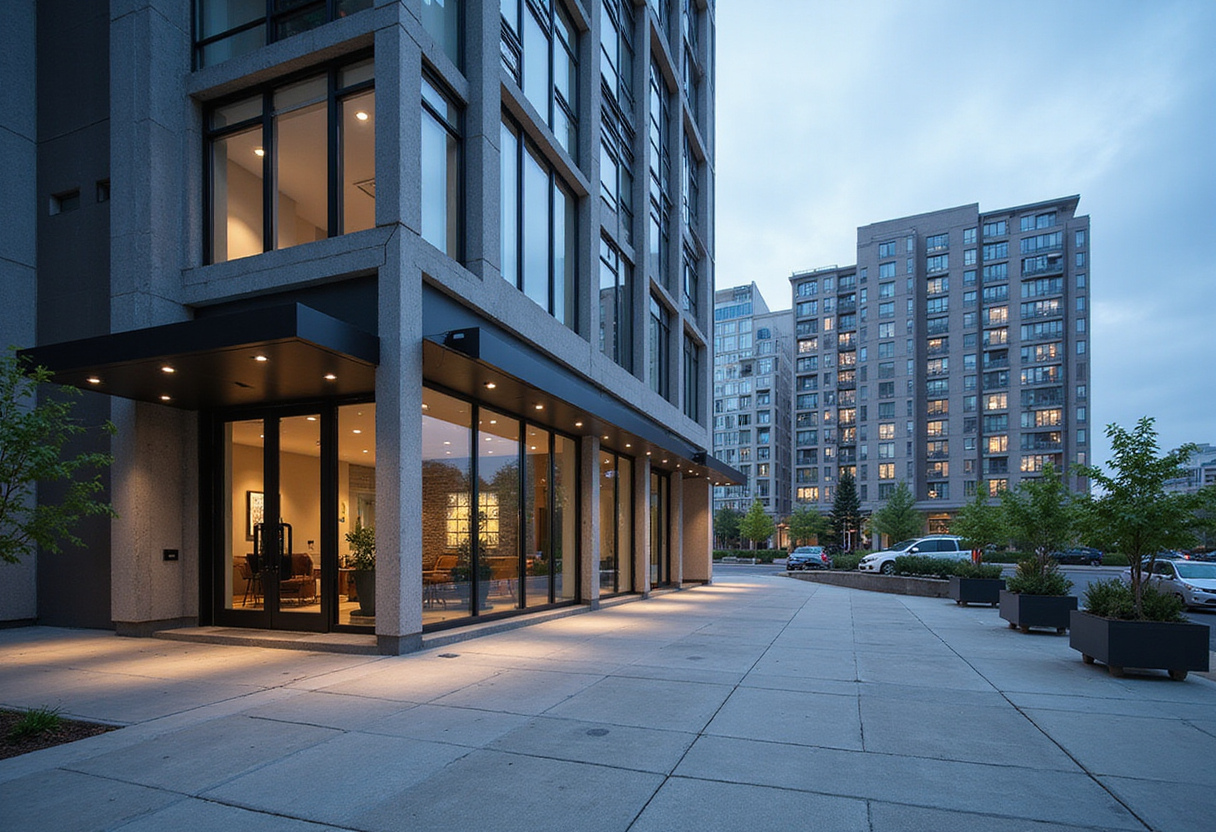
Global branded residence supply has tripled in a decade to more than 900 developments worldwide, with another 835 projects in the pipeline through 2032, according to DTM Global Consulting Research. Dubai, Miami and New York City hold the bulk of completed inventory, while automotive, fashion and design houses have crowded into a category once owned by hotel operators.
A decade ago, fewer than 350 branded residence projects existed globally. By the end of 2025, that count had exceeded 900, with 835 additional developments expected to deliver by 2032. The model pairs private ownership with hotel-grade services and amenities, typically licensed from an established hospitality or luxury brand.
Where the buyers are concentrating
Dubai represents roughly 31% of completed branded residence projects, with around 85 more in the pipeline, the consultancy's data show. Miami follows at 16%, New York City at 15%. London ranks fifth behind São Paulo but remains a preferred European market, particularly for Middle Eastern buyers. Paris, Europe's top tourist destination, currently has only one approved project.
Istanbul, which hosted approximately 19 million international tourists in 2025, accounts for about 6.4% of completed projects. Bangkok, Phuket, Los Cabos, Punta Cana, Marbella, Barcelona and Madrid round out active luxury residential markets. Cairo and Mexico City each have two completed developments, though their pipelines signal rising developer interest.
How the brand roster has changed
For decades, luxury hotel operators anchored the sector. Their distribution networks and service standards made them the default partner for developers. In recent years, the roster has diversified considerably.
Design firms including YOO Inspired by Philippe Starck, YOO Studio and Pininfarina have entered the space, alongside automotive brands Porsche, Bentley and Aston Martin. Fashion houses Elie Saab, Fendi, Giorgio Armani and Versace have launched residential collaborations, as has lifestyle brand Nobu. Mandarin Oriental operates branded residences in both Barcelona and Madrid.
The developer calculus: premiums, costs and IRR
International brands commonly claim they can deliver price premiums of up to 30%. In practice, the realized premium depends on brand strength, project location, market maturity and the broader economic environment. Branded developments also carry substantial added costs tied to brand standards, design specifications and licensing fees, which can erode much of the headline premium.
For developers integrating a branded residential tower into a hotel project, the structure can materially improve the project's internal rate of return. Off-plan sales generate immediate cash flow from the earliest construction stages, making the model attractive for developers optimizing financing structures. The consultancy also flags that an upscale hotel brand in some markets limits the achievable sales premium, while fashion brands typically run high-profile launch events without hands-on sales support, leading some developers to withhold brand fees when anticipated velocity fails to materialize.
Operating risks attached to the model
Annual homeowners association (HOA) fees have become a flashpoint in markets with significant currency volatility, generating disputes and, in some jurisdictions, legal proceedings or mediation. Hotels in seasonal destinations sometimes shift portions of maintenance, landscaping and IT expenses onto residence owners, fueling conflict when those charges were not clearly disclosed at purchase.
Contract term presents another long-tail exposure. If the underlying management or franchise agreement expires or the hotel is rebranded, residents can lose the brand association that originally justified their purchase price, directly affecting resale values. A second branded project launching nearby can also dilute existing owners' equity.
Construction liability typically remains with the developer through a defined warranty period, even though the brand is contractually responsible for design standards. Owners in multiple markets have filed lawsuits against both brands and developers, alleging construction defects and unmet luxury specifications.
What the pipeline signals
The 835-project pipeline through 2032 indicates continued capital allocation to the asset class despite operating headwinds. DTM Global Consulting Research points to growing Asian momentum, particularly in Vietnam and Thailand, alongside Europe and Central & Latin America, which together added more than 50 new branded projects in the past year. Italy, Spain's coastal regions and Adriatic markets such as Albania and Montenegro are also drawing increased developer interest.
The forward view: developer returns will hinge less on brand prestige alone and more on matching the right brand to each market's buyer profile, sales velocity and HOA economics.
More from Elena Vasquez
Show full bio
News editor covering industry trends and analytics at The Pass Brief.
245 articles