Researchers Say the 'Dessert Flip' Cuts Sugar and Fat Without Cutting Sales
Diners rated desserts built from 80% fruit and nuts above traditional cake-first versions, researchers found. The 'dessert flip' cuts sugar and fat without substitutes, but purchase behavior remains untested.
Participants in a new study rated a dessert made of roughly 80% fruit and nuts and only 20% cake higher than the traditional reverse ratio. That is the core finding behind what researchers call the "dessert flip," and it carries direct implications for menu engineering: the format claims to reduce sugar, fat and processed ingredients while raising perceived value.
The lead author, Amalie Kurzer, frames the change as a straightforward swap of proportions rather than a reformulation. "I'm a huge dessert lover," she told the Washington Post. "But you can make a delicious dessert that has a lot of fruit, and it will be better for you."
No artificial sweeteners, cream substitutes or butter replacements are involved. The dessert flip keeps the familiar item on the menu and shrinks it.
What did the study actually test?
Researchers served participants three versions of the same dessert concept:
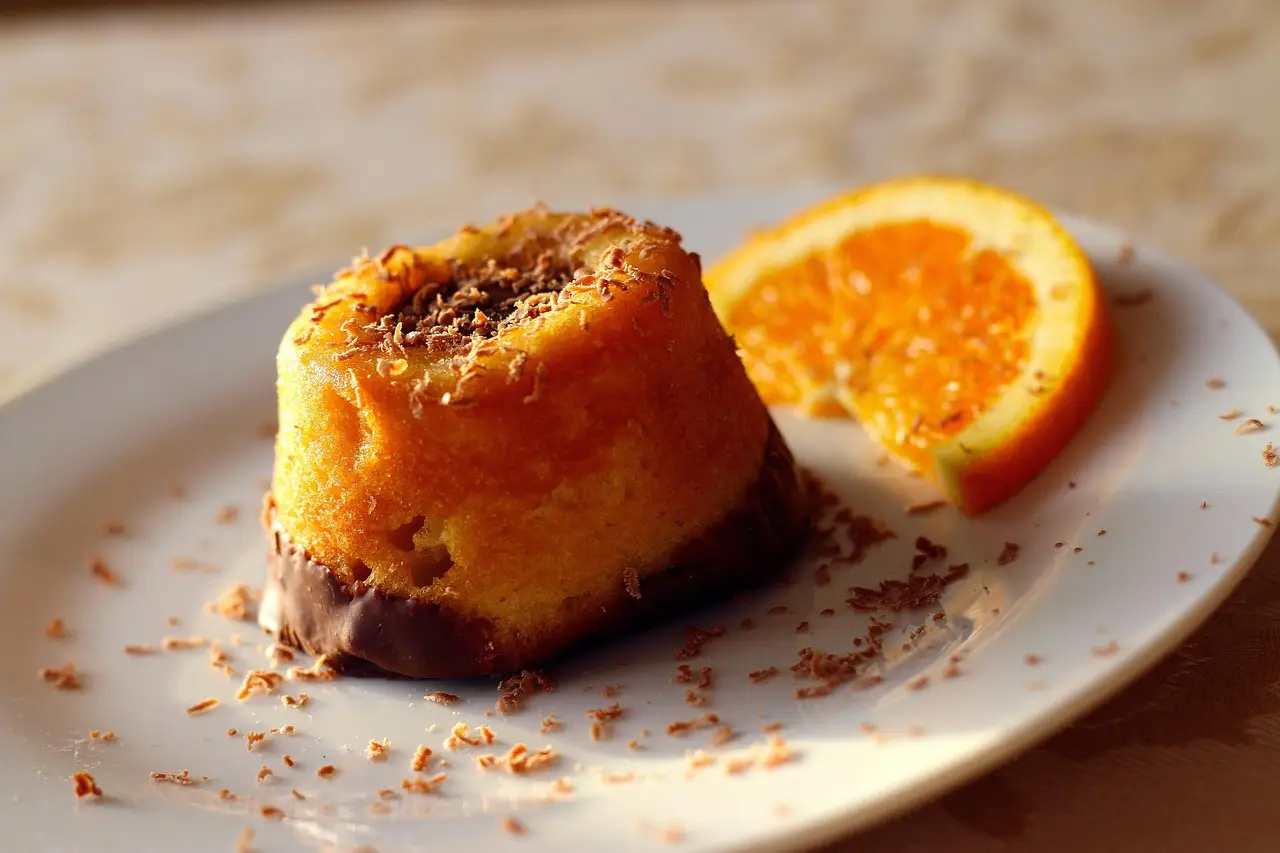
- A traditional plate: about 80% cake with a small side of berries and nuts, roughly 20%.
- A "stealth" version: cake stuffed with peach puree, which Kurzer compared to hiding vegetables in a child's meatballs.
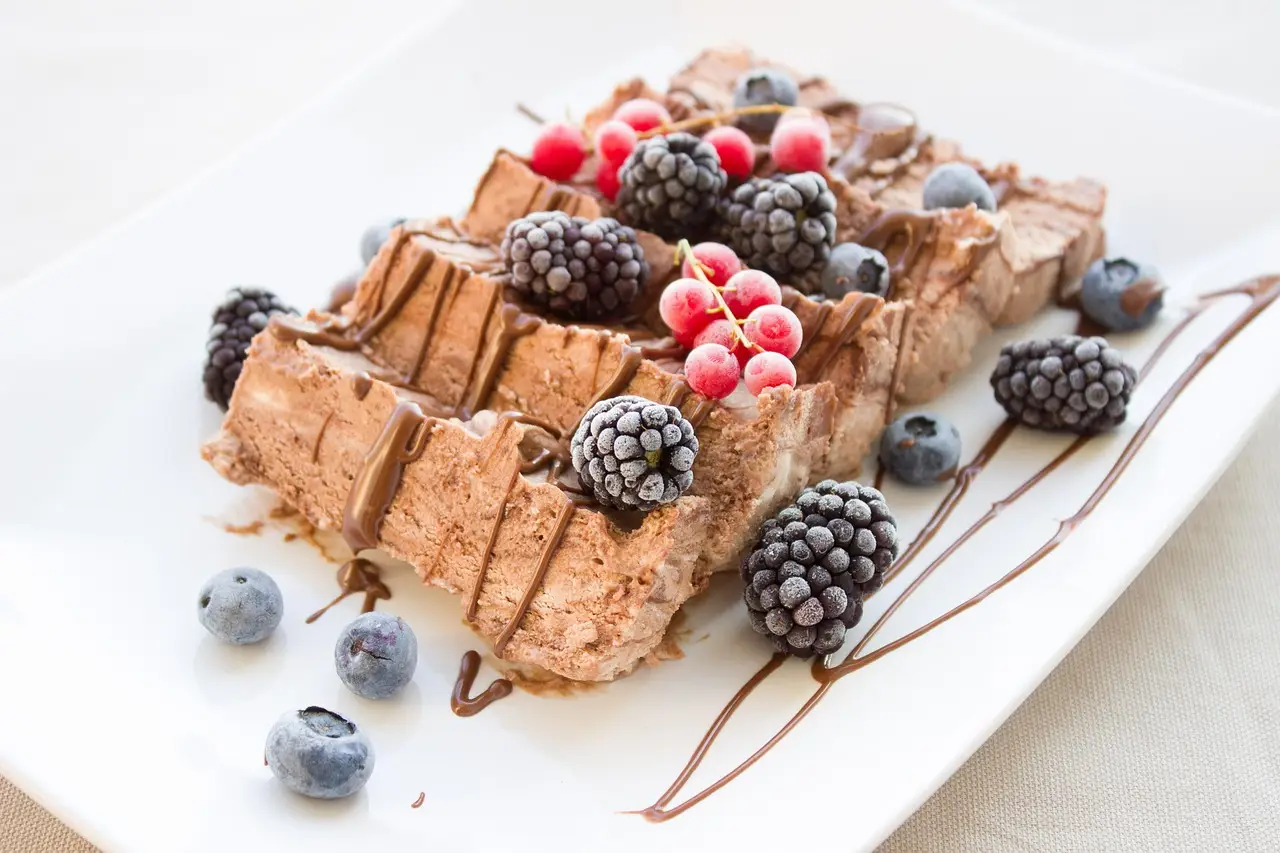
- The flipped version: about 80% fruits and nuts with a small portion of cake, roughly 20%.
The results split cleanly. Participants liked the traditional and stealth versions about equally. The flipped dessert scored meaningfully higher on liking than both.
Kurzer also reported a detail that matters for portion costing: diners did not finish the large cake slices. "People would just get tired of their cake," she said. "They would eat a little and then be like, 'Yeah, I'm done.'" Leftover cake ended up in the trash.
That observation deserves attention from any operator tracking plate waste. It suggests the oversized slice serves signaling purposes more than appetite. A smaller cake component paired with a larger fruit-and-nut component could reduce ingredient cost on the processed components while delivering a plate guests finish and rate more highly.
Why do diners prefer the flipped version?
Kurzer attributes the result to variety-seeking. "As humans, we crave variety in our diets," she said. "So, a big piece of cake gets boring fast, especially if it's a cake that you know is not necessarily good for you."
There is also a biological backdrop. Humans are hardwired to seek high-calorie foods for evolutionary survival, the researchers note. The dessert flip works with that instinct rather than against it. It delivers sweetness and richness in a composition that lowers sugar, fat and possibly processed elements compared with a standard cake, ice cream, waffle or parfait.
What does the flip add nutritionally?
The researchers itemize the gains. Berries contribute antioxidants, vitamins and minerals. Blueberries offer anthocyanins, compounds that fight inflammation and may improve brain, eye and heart health and reduce cancer risk. Raspberries contain polyphenols, which may protect against cell damage and cancer.
Nuts bring protein, cholesterol-lowering healthy fat, vitamin E, folic acid, niacin, magnesium, heart-healthy phytochemicals and L-arginine.
The fiber argument may be the strongest. Traditional desserts built from white flour, sugar, butter and eggs contain little to no fiber. Meat, eggs and dairy contain none. Refined grains contain little. Fruits, vegetables, whole grains, legumes, nuts and seeds are the reliable sources.
The stakes are not trivial. The researchers cite the figure that 95% of Americans do not get enough fiber, a shortfall linked to public health problems including colorectal cancer, a disease rising sharply among young people.
What are the caveats?
The study tested liking, not purchase behavior, and the source does not report sample size, study design details or whether the findings have undergone peer review. Preference in a controlled tasting does not guarantee menu selection in a competitive dessert case, where indulgence positioning still drives orders.
Cost structure also cuts both ways. Fresh berries and quality nuts carry their own price volatility and shorter shelf life than dry cake components. An operator running the flip needs sourcing discipline to keep the format profitable at the same check.
Kurzer suggests the logic extends beyond dessert: flip dinner too, adding more vegetables and cutting meat and processed grains such as dinner rolls, white rice and pasta. The same proportion-swap logic could reach savory menu development as fiber-forward eating gains traction. Whether guests reward it at scale remains the open question.
More from Marcus Bennett
Show full bio
Market editor covering technology and product news in Restaurant and hotel operations at The Pass Brief.
712 articles