Savory Desserts Give Operators a New Path to After-Dinner Sales
Savory-sweet desserts are converting dessert-skippers into buyers, with 42% of global consumers favoring familiar-plus-novel flavor combinations, Inniva reports.
Forty-two percent of global consumers prefer dishes that combine familiar and novel elements, according to Innova's Desserts & Sweet Treats – Global report — and that number is reshaping the last course on American menus. Operators are leaning into savory-sweet desserts as a way to capture incremental sales from diners who rarely order dessert at all.
The math is simple for operators. A meal that ends without dessert is a check that ends early. If less-sweet, globally inspired options convert even a slice of the dessert-skipping population, the after-dinner course stops being a menu afterthought and starts functioning as real revenue.
Innova's report frames savory-sweet mashups as delivering both flavor and a sense of novelty to consumers. The combination of the recognizable and the unexpected is exactly what chefs in the segment are building on right now.
What does this look like on real menus?
At Steuben's and Ace Eat Serve in Denver, both operated by parent company Secret Sauce Food & Beverage, executive pastry chef Michael Kurowski builds desserts around that tension.
"When I'm creating desserts for Ace Eat Serve, I always try to find that balance between something familiar and something a little unexpected," Kurowski said. "I love taking something people already know and love and giving it a different perspective without losing what makes it comforting in the first place."
His Thai Tea Carrot Cake grew from the desire to put a different spin on a classic by layering new flavor into a nostalgic, recognizable cake.
"Thai tea has these beautiful aromatic qualities, with notes of vanilla, warm spices, and a subtle earthiness that I thought would pair really well with carrot cake," Kurowski said. "It felt like a natural combination."
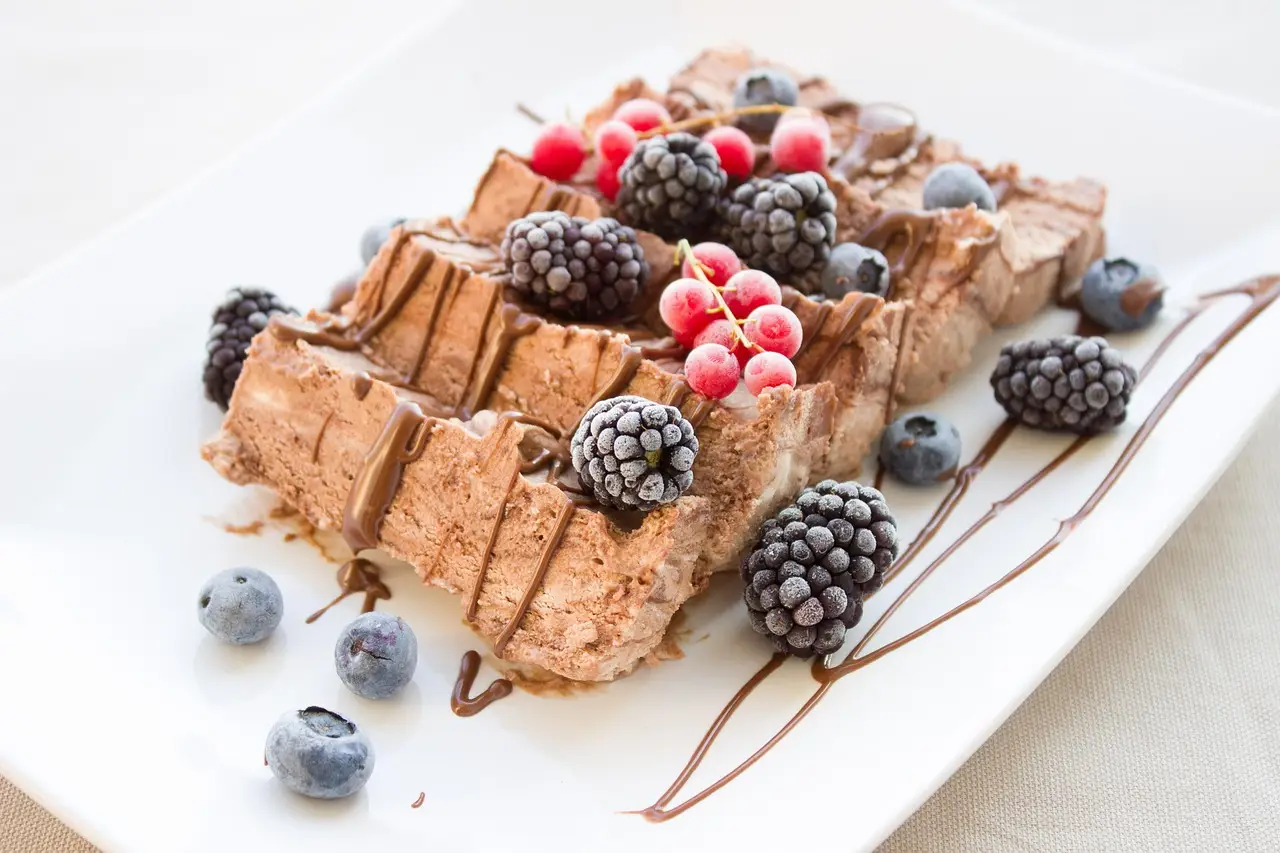
His Chocolate Miso Tart works on the same principle. Miso brings a salty, earthy umami quality that Kurowski said enhances the rich, complex chocolate rather than competing with it. He points out that the juxtaposition is nothing new — it's the same mechanism as salt in chocolate chip cookies or salted caramel, making sweetness more interesting.
"People's palates are becoming more adventurous," Kurowski said. "There's so much more exposure to global cuisines, whether that's through restaurants, travel, or social media."
Which ingredients are driving the trend?
In Los Angeles, pastry chef Jaime Craten of Firstborn turned to corn sabayon as a savory-leaning dessert. Corn has been ubiquitous on menus recently, savory and sweet alike, and corn desserts are popular throughout Asia — so she built the dish around familiar Asian flavors and textures.
"Corn is a versatile ingredient that pairs well with salty flavors," Craten said. "The dish came together after just a few tests, and even I was surprised by how savory it turned out. It's salty, sweet, chewy, and crunchy all at once. I knew it was a hit before the menus were even printed."
Novelty is part of the appeal, and so is the craving for something new. The goal, Craten said, was to offer diners something other than a bland or overly sweet end to the meal — a shift mirrored across broader food trends.
"I think the growing availability of Asian ingredients has also played a role, making these flavors and combinations more familiar and accessible," Craten said. "As long as the dish is well-balanced, I believe it can appeal to dessert haters and savory fanatics alike."
Other ingredients gaining traction on dessert menus, per Innova's data:
- Red bean — the fastest-growing flavor in the global desserts market
- Falooda — an Asian dessert built with vermicelli, syrup, and sweet basil seeds
- Matcha — the tea powder that turns pastries and baked goods bright green
What does this change for operators?
The sourcing story matters as much as the flavor story. Growing availability of Asian ingredients has lowered the barrier for operators to build these dishes without specialty supply chains. From a simple salted chocolate chip cookie to an elaborate, globally inspired dessert, savory desserts give operators a tool to attract diners who might otherwise pass on an after-dinner treat. Expect the savory-sweet mashup to keep spreading as global ingredient access widens and palates keep sharpening.
More from Daniel Okafor
Show full bio
Correspondent covering companies, deals and strategy in Restaurant and hotel operations at The Pass Brief.
609 articles