Food company rolls out mushroom blend to stretch ground beef as costs climb
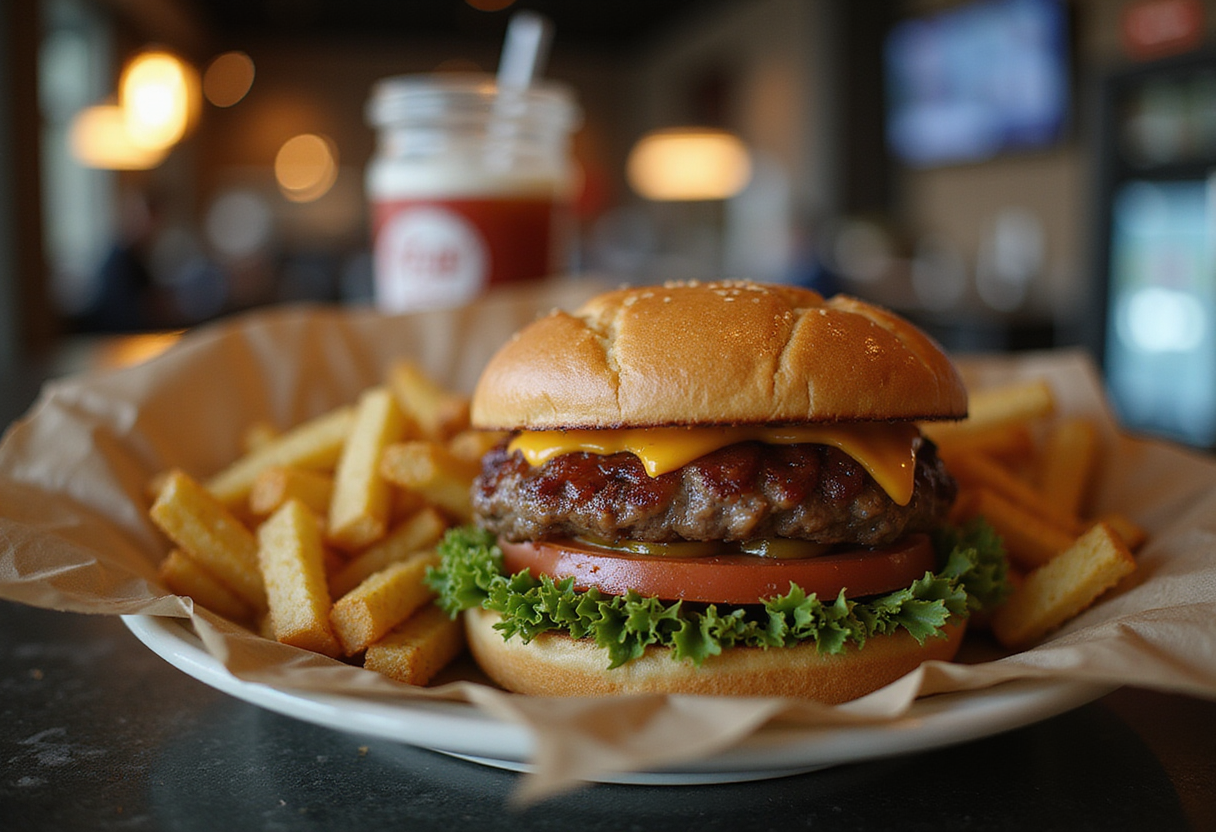
A food company has developed a mushroom-blend product to help restaurants stretch ground beef as wholesale prices climb, addressing operator food-cost pressure on burger and casual-dining menus.
A food company has developed a mushroom-blend product designed to help restaurants stretch their ground beef usage as beef prices rise, Yahoo Finance UK reported.
Why operators would consider a mushroom blend
The economics are straightforward. A burger concept operating at a 30% food cost target on a $14 check has roughly $4.20 per plate to absorb protein, bun, produce, sauce and packaging. Reducing the beef component of that plate by even 20% frees up cents on the dollar that can either drop to the bottom line or offset increases in other inputs.
Mushrooms bring two attributes operators value when diluting beef. They add moisture, which compensates for the dryness that often accompanies a leaner or reduced-beef patty. They also contribute umami, the savory flavor profile that drives much of beef's appeal with consumers.
How does this fit menu engineering?
Menu engineering treats ingredient swaps as a margin lever rather than a marketing story. Operators typically evaluate a blended product against three tests:
- Cost per cooked portion versus the all-beef baseline
- Cook time and grill behavior on existing equipment
- Guest perception of the finished plate
The first two are easy to measure. The third determines whether the product scales beyond a limited-market test or becomes a permanent menu specification.
What is the cost backdrop?
The Yahoo Finance UK report frames the launch as a direct response to rising beef prices. Wholesale beef has been pressured across multiple categories — from trimmings used in burger blends to middle meats that anchor steakhouse menus — by tighter cattle supplies, feed costs and shifts in export demand. Distributors pass those costs through, and operators absorb them until menu prices adjust.
For chains already running tight food cost percentages, even modest per-pound increases in ground beef force a choice: raise menu prices, accept margin compression, or find an input that delivers a comparable plate at a lower ingredient cost. A mushroom blend is the third option.
How fast could adoption move?
Speed of adoption will depend on operational answers rather than the cost case. If the blend grinds, forms, cooks and holds to spec on existing equipment with no procedure change, the cost argument wins quickly. If it requires modified handling or produces a plate that guests flag in feedback, the rollout slows regardless of price.
Chain operators under the tightest cost pressure — value-priced burger concepts, fast-casual menus with limited beef items, and high-volume casual-dining systems — are the most likely early testers. Independent operators running smaller volumes have less to gain from process changes and may hold off until category leaders validate the format.
What comes next?
Expect foodservice distributors and protein suppliers to expand similar blended offerings as beef inflation persists, with menu-engineering teams testing blends across burger, taco, meatball and chili applications. The products that survive the test will be the ones that protect margin without producing a guest-visible difference in the finished plate.
More from Elena Vasquez
Show full bio
News editor covering industry trends and analytics at The Pass Brief.
245 articles