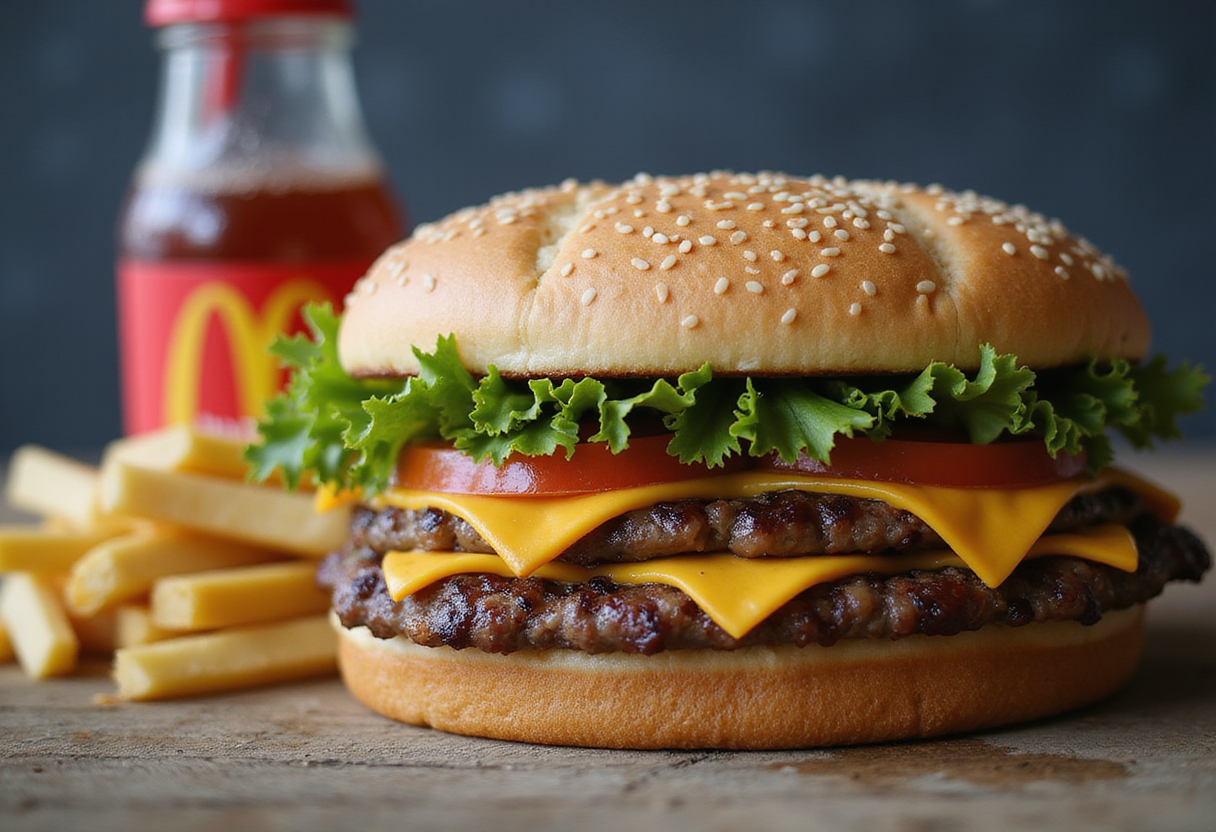
QSR Magazine Reframes Menu Pricing as a Perishable Asset
QSR Magazine's latest cover question, "How Long Should a Menu Price Live?," reframes menu pricing as a perishable asset rather than a fixed number, putting repricing cadence squarely on the quick-service operator agenda.
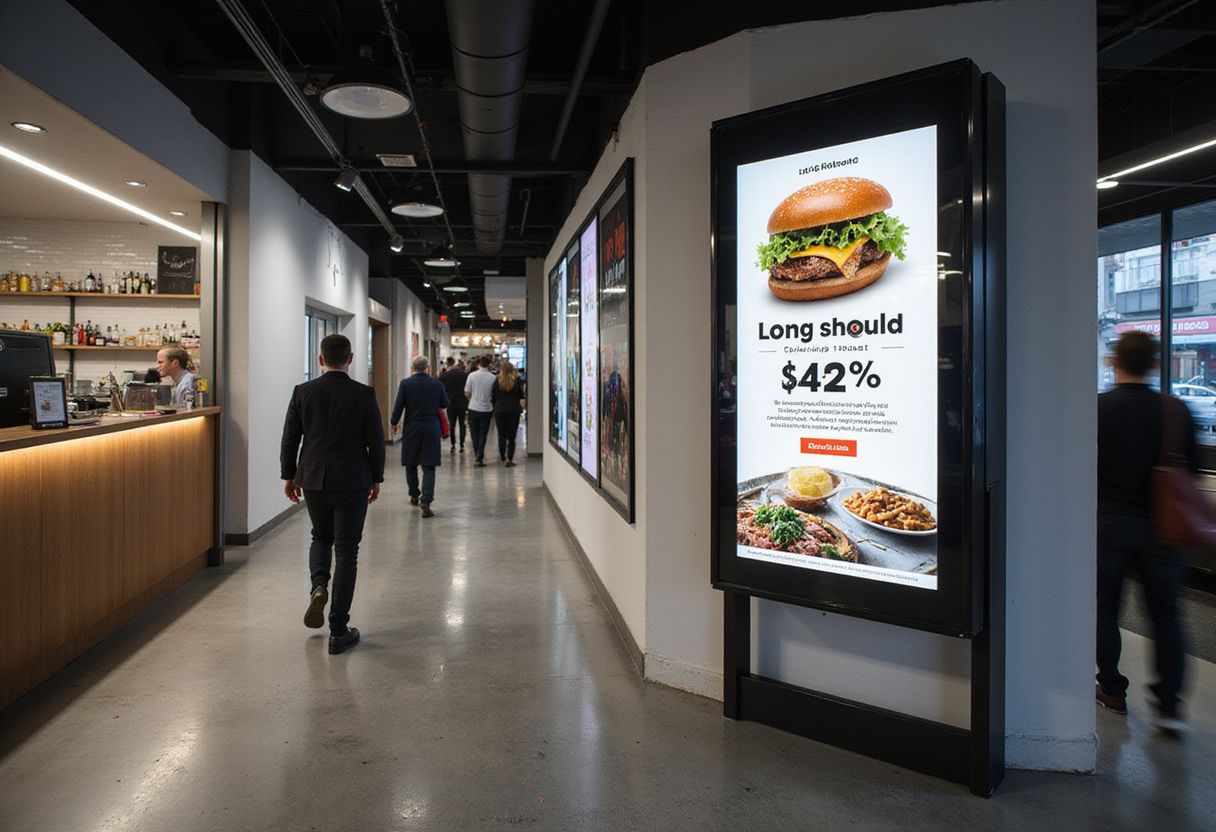
QSR Magazine posed a single cover question this week. "How Long Should a Menu Price Live?" That headline is the story.
QSR Magazine is a trade title read by quick-service chain executives. A cover line from this publication frames how operators approach printed signage, digital menu boards and franchise pricing packets. The trade title does not disclose its circulation figures in the headline itself, leaving readers to take the framing on its authority.
The framing matters because it repositions a menu price as a perishable asset. Not a fixed number on a laminated board. A depreciating line that loses value with each passing quarter, per QSR Magazine's implicit logic. Operators who treat printed prices as durable will read this question as a quiet rebuke from the trade press.
What does the headline change for franchise systems?
Company-operated units, defined as stores owned directly by the corporate parent, can pivot digital menu boards (electronic screens that push price changes without reprinting physical signage) within hours. The labor cost of a price change is functionally zero under that model. Menu repricing happens at the speed of the cost-of-goods-sold update.
Franchised units, or independently owned stores licensed under the brand, move on a slower clock. Pricing packets traverse corporate review, franchisee advisory councils and field marketing calendars before they reach a printed board. QSR Magazine specifies no interval in its headline, which is itself the point.
The omission is the provocation. Each concept must benchmark its repricing cadence against its own commodity exposure, meaning the share of menu items tied to volatile inputs like beef, chicken, dairy or packaging resin, per the publication's prompt.
Why ask now?
The trade is staring at elevated input volatility across proteins, packaging and labor. QSR Magazine names no culprit in its cover line. It does not need to. Operators recognize the supply side when they see one, and the publication's silence on specifics handed that recognition a deadline rather than a prescription.
Cost of goods sold, the raw food and beverage expense per menu item before labor and overhead, carries less tolerance for stale prices when guests cross-reference a printed board against a delivery-app listing in the same minute. The interval between repricing has compressed accordingly, per the publication's implicit framing.
What to watch next
QSR Magazine has not paired its cover question with operator benchmarks, vendor solutions or system-level data. That gap is the part operators will want filled. The trade press tends to close such gaps with sponsored follow-on coverage within a quarter of a cover-line launch, though no timeline is given in the source.
The Pass Brief will track whether QSR Magazine follows its own headline with a methodology piece, a franchisor case study, or a vendor-supplied tool aimed at the repricing interval question. Until then, the menu price's shelf life remains an interval each operator must defend in writing, one laminated board at a time.
More from Rebecca Stone
Show full bio
Senior reporter covering technology and product news in Restaurant and hotel operations at The Pass Brief.
411 articles