Why the QSR Value War Is Moving Off the Menu Board
A new QSR Magazine analysis argues the next value war in quick service won't be won on price. The 2024 $5 combo era squeezed margins, and operators face a steeper climb heading into 2025.
Quick-service restaurants have essentially zero room left to compete on price alone. That's the central argument in a new QSR Magazine analysis, and it lands at a moment when the segment has spent two years testing exactly how low it can go.
Where the value fight stood at the end of 2024
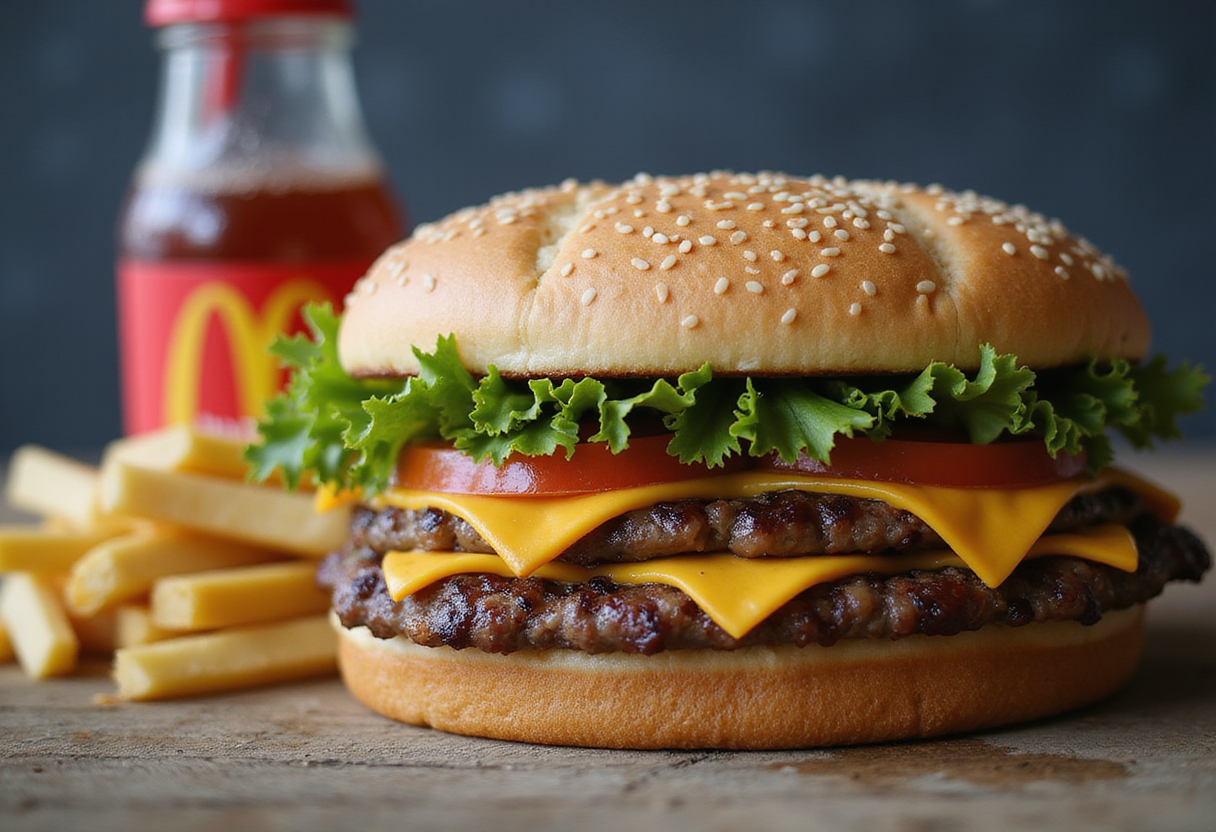
The 2024 value war had hardened into a familiar shape: a $5 combo that pairs a main, a side, and a drink. McDonald's $5 Meal Deal, Wendy's $5 Big Bag, and Burger King's $5 Your Way Meal all rolled out as the chains tried to win back the lower-income guest who'd walked to grocery or stepped up to fast casual. The marketing was clean. The math wasn't.
A $5 bundle running typical industry food and labor costs clears pennies per ticket after rent, royalties, and the corporate overhead that comes with running a multi-unit chain. Scale that across hundreds of millions of tickets and operators effectively spent 2024 buying traffic they couldn't fully afford. Franchisees noticed. So did investor calls.
The piece's core distinction
QSR Magazine draws a sharp line between price and value. Price is what the guest hands over. Value is what they think they got. Those two diverge fast when a chain protects the dollar menu line but lets portion shrink, sourcing drift, or service slip.
They also diverge the other way. A sandwich served hot, fast, and made with ingredients the chain can credibly stand behind registers very differently with a guest than the same item without those qualifiers.
In operator terms, the argument is this: the chains that held margin discipline during 2023-2024's inflation cycle now have room to compete on the second concept, not the first.
What changes for operators and guests
For operators, it shifts the budget conversation. Marketing dollars that subsidized drive-thru menu boards may shrink. Capital dollars that buy kitchen equipment, long-term supply contracts, and order-ahead technology may grow.
For guests, it likely means fewer "$5 deal" TV spots and more of the value showing up in the bag itself—in portion size, sourcing, order accuracy, and how fast the mobile handoff runs. The receipt won't look much different. The order might.
What's at stake over the next 12 months
Three pressures make this more than a passing trend piece. Commodity input costs across beef, chicken, and dairy stayed elevated off the 2021 baseline through year-end 2024. California's $20 fast-food minimum took effect in April 2024 under AB 1228, lifting labor cost inside one of the segment's most important markets and pulling state-level copycats into play. And same-store traffic across the major QSR chains ran flat to negative through most of 2024, meaning value promotions mostly cycled existing guests between chains rather than pulling new ones into the category.
The forward-looking question is which chains invest in the boring plumbing—supply contracts, kitchen equipment, throughput tech—fast enough to claim the perceived-value ground before the next traffic cycle forces another round of price cuts.
More from Olivia Hart
Show full bio
Staff writer covering regulation, policy and their impact on Restaurant and hotel operations at The Pass Brief.
325 articles