New York Thanksgiving Dinners to Cost $66 and Rising as Fuel and Crop Failures Bite
New York Thanksgiving meals averaged $66.06, nearly 20% above the national norm. Turkey is up 22.3% per pound and potato cases are up 50% heading into 2025.
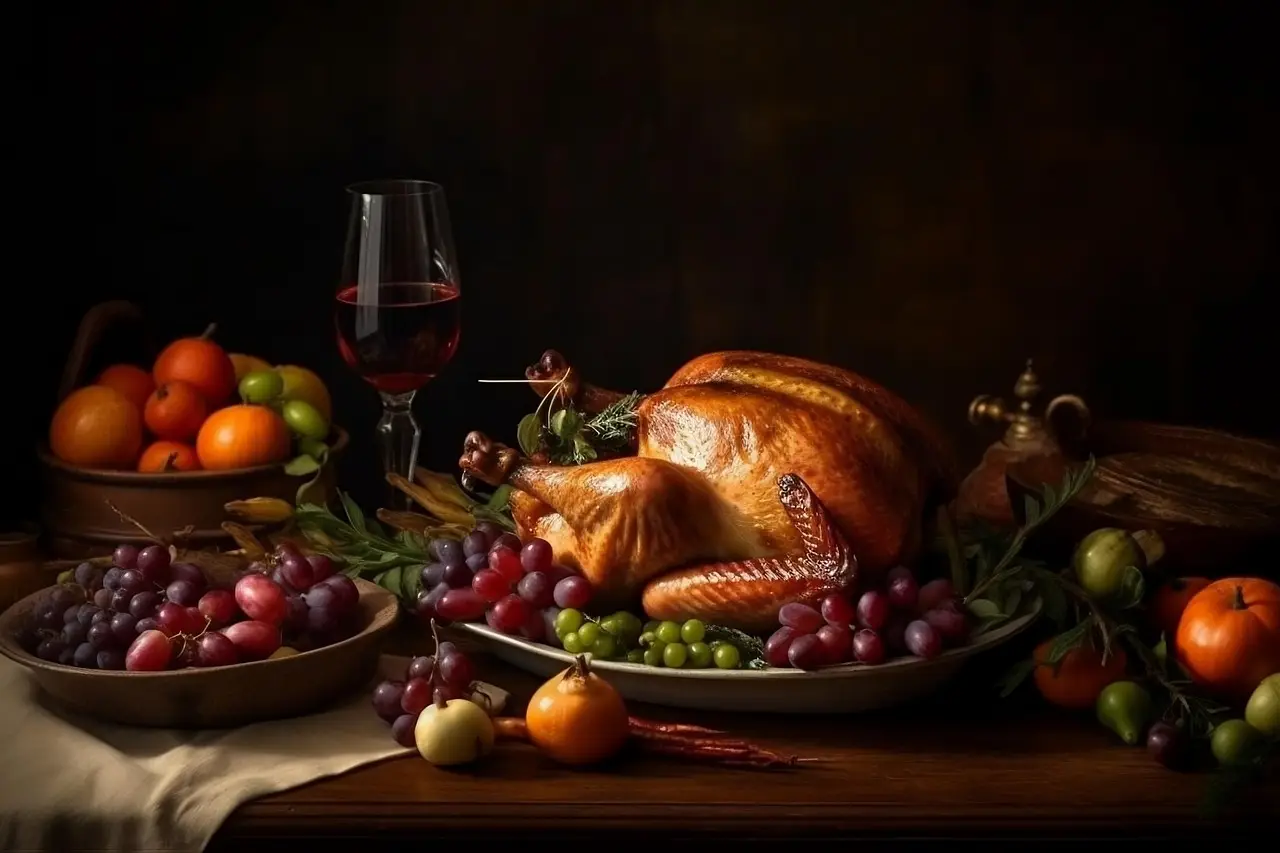
New Yorkers paid $66.06 on average for a Thanksgiving meal last year — nearly 20% more than the typical American — and 2025 pricing points higher on nearly every table staple, according to 2025 Consumer Price Index data and commodity trackers.
The increase runs against the national grain. Average prices for Thanksgiving staples fell across the U.S. in 2025, but New York State bucked the trend, absorbing above-average costs on proteins, produce and pantry goods alike.
Which staples are spiking?
Francisco Martin-Rayo, co-founder and CEO of agricultural tech company Helios AI and a former avocado trader, said four items will strain budgets hardest: potatoes, pecans, cranberries and turkey.
The bird leads the list. The retail price of a frozen whole turkey rose about 22.3% year over year, from $1.03 per pound to $1.26 per pound. A 15-pound turkey now runs roughly $18.90 — $3.45 more than last season.
Diesel is the underlying driver. Martin-Rayo puts diesel prices up 70%, and refrigerated transport compounds the problem: turkeys require temperature control throughout shipping, which burns still more fuel and passes still more cost to the consumer.
Potatoes show the sharpest percentage move. Wholesale potato prices run nearly 60% above normal levels, according to price trackers. In New York specifically, a 70-count case of Idaho russets sells for $35 — roughly 50% more than last year — a figure that hits both households and restaurants counting every dollar of food cost.
Pecans face the tightest supply. Martin-Rayo said every major pecan-producing state had a poor season. Georgia, the top producer, saw rainfall 68% above the levels of 2018 — the year Hurricane Michael wiped out the state's crop. New Mexico logged its wettest growing season in eight years.
"With the season ending in December, we don't think there's enough of a window for the season to recover, so shoppers should expect both a smaller pecan crop and higher prices," Martin-Rayo said.
Cranberries round out the list. The bog-grown crop suffered insufficient rainfall and wildfire damage this year, and prices may rise accordingly.
What can shoppers and operators do about it?
Martin-Rayo's advice amounts to menu engineering at the household level: be flexible, buy early, and compare prices across channels.
"I would say don't be so tied to the traditional Thanksgiving meal," he said. "You can do sweet potatoes instead of regular potatoes. Brussels sprouts should have a pretty good year, and so those costs should be lower. Those things really add up."
Timing matters for shelf-stable goods. Buying items like cranberries early widens the window to catch sales and specials.
"Just plan it out a little bit earlier. I think that [shoppers] will be more empowered in terms of how much they're spending and where they're spending," he said.
Channel selection matters too. Grocery stores carry much bigger margins on canned and tinned items, so their shelves can offer savings there. Farmers' markets and co-ops can beat retail on big-ticket items like turkeys — especially for buyers willing to pay cash.
"This is where I think planning is really helpful. Go to your local farmers market, go to your local co-op, and go see what the prices are and see what you can order ahead of time," Martin-Rayo said.
The same substitution logic applies directly to restaurant operators running holiday menus: swapping russets for sweet potatoes or building sides around Brussels sprouts trims cost of goods without cutting plate count.
His final counsel sets priorities. Thanksgiving, he said, is his favorite holiday — one built on gathering and eating — and flexibility on the menu matters more than tradition.
"As long as you're doing that, just be flexible with what you'll serve."
With the pecan harvest window closing in December and diesel costs still flowing through distribution, early planning and ingredient substitution look set to be the difference between a $66 meal and a materially bigger check.
More from Elena Vasquez
Show full bio
News editor covering people, launches and day-to-day practice in Restaurant and hotel operations at The Pass Brief.
785 articles