Nearly Half of Americans Skip Alcohol, Reshaping Drinksgiving Hosting
With 54% of Americans drinking alcohol — a record low — Drinksgiving hosts face a two-crowd bar. Nonalcoholic retail sales passed $1 billion, and operators say zero-proof is a 2026 trend.
Only 54% of Americans drink alcohol, a Gallup record low for the second year running, and that number rewrites the shopping list for Drinksgiving — the Thanksgiving-eve gathering landing on Nov. 25 this year that some still call Blackout Wednesday.
The economics back the shift. Nonalcoholic beer, wine and spirits passed $1 billion in U.S. retail sales for the year ending Jan. 3, according to NielsenIQ, even as dollar sales fell across alcoholic categories. NielsenIQ describes the category as complementary to alcohol rather than a substitute — a framing that suits any bar, home or commercial, serving both crowds at once.
Who is buying the zero-proof pour?
The consumer base is wider than non-drinkers alone. Gallup found 17% of U.S. adults swapped a nonalcoholic version of an alcoholic drink into their routine over the past year — 20% of drinkers and 14% of non-drinkers. Among drinkers who use those products, 38% said they now drink more of them than before, roughly double the share drinking less.
Beer remains the most-cited drink among drinkers at 36%, with liquor next at 32%. That four-point spread means a bar built around one favorite leaves most drinkers reaching for something else — before counting the guests who skip alcohol entirely.
What does this change for the host bar?
It means stocking at least a few choices, with one real alcohol-free option among them, rather than defaulting to plain soda. Chefs and restaurant owners named zero-proof cocktails among their 2026 trends in a James Beard Foundation roundup, and the technique transfers directly to a home setup.
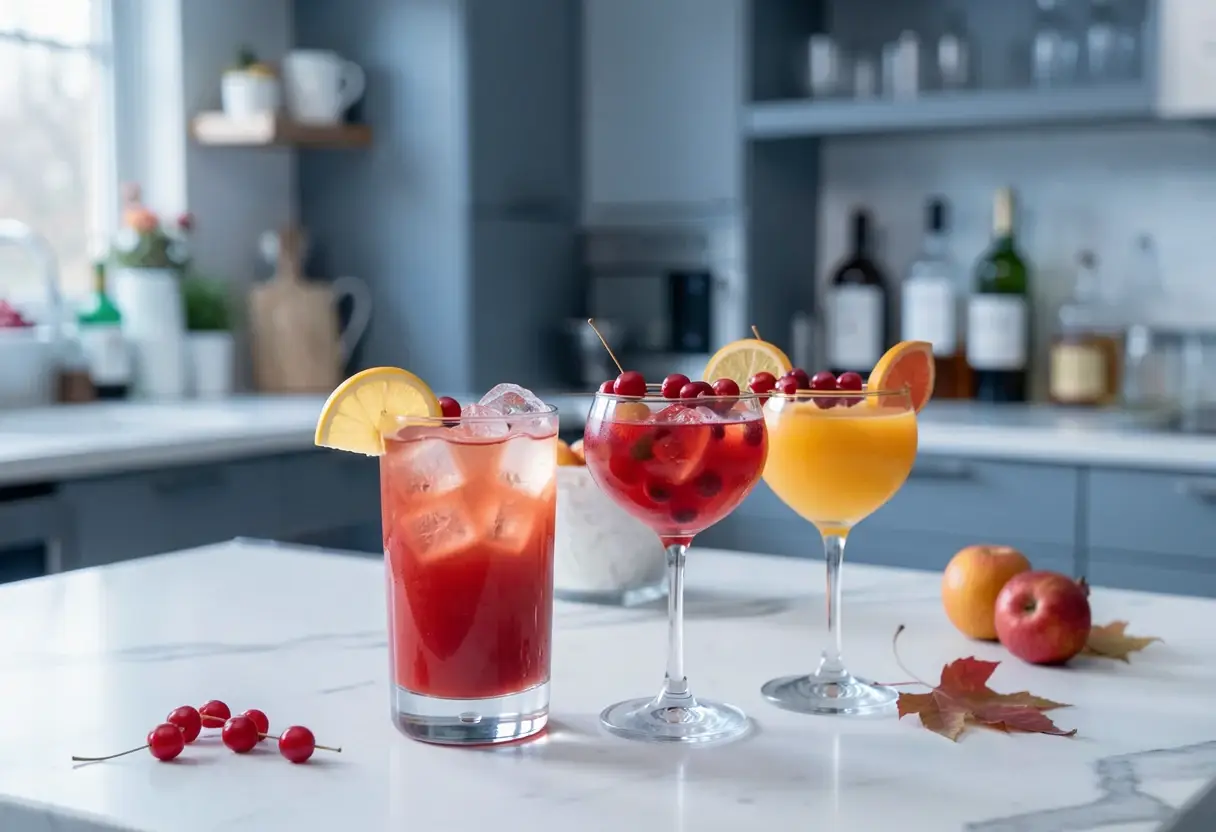
One practical route: build one drink that pours two ways. Autumn flavors — cranberry, apple cider, cinnamon, pear, maple, pomegranate — work identically with a spirit or without one. Add liquor to one glass, sparkling water or a nonalcoholic spirit to the other, and both guests get the same glass and garnish.
A shrub, a vinegar-based fruit syrup, scales that idea for a crowd. A cranberry or pear version stirred into club soda over ice makes a tart, fizzy mocktail that pours from a pitcher — no glass-by-glass mixing while the game runs.
A schedule built around kickoff
The NFL's first Thanksgiving Eve game, streaming on Netflix with a U2 halftime headliner, gives the night a fixed structure. Coverage starts at 6 p.m. ET; kickoff is 8 p.m. ET. Those two hours set the arrival window, with food out and guests seated before the first play.
Federal guidance from the National Institute on Alcohol Abuse and Alcoholism adds operational rules:
- Put water, juice and sparkling soda where guests can reach them; they counteract alcohol's dehydrating effects.
- Do not call attention to guests who are not drinking — they owe no explanation.
- Serve a variety of foods, since food slows alcohol absorption, and label anything that contains alcohol.
- Encourage pacing with water between pours, and plan sober rides home — a designated driver, cab, rideshare or public transit.
One cider-safety check
Before buying cider, look for pasteurization, the heat treatment that kills harmful bacteria. Unpasteurized cider can carry bacteria from the apples, with the greatest risk to children, older adults, pregnant women and people with weakened immune systems. FDA rules require a warning label on packaged unpasteurized cider — but cider sold by the glass at an orchard or farmers' market carries no label, so ask the seller directly.
With nearly half the guest list off alcohol, a $1 billion-plus category growing alongside a shrinking drinking base, and a national broadcast anchoring the evening's timeline, the Drinksgiving bar that covers both crowds is now the default plan rather than the exception.
More from Elena Vasquez
Show full bio
News editor covering people, launches and day-to-day practice in Restaurant and hotel operations at The Pass Brief.
785 articles