American Spirits Industry Warns Canadian Alcohol Ban Hits US Hospitality
US distillers and hospitality groups warn that Canada's retaliatory pull of American alcohol threatens export volumes and bar program margins on both sides of the border.
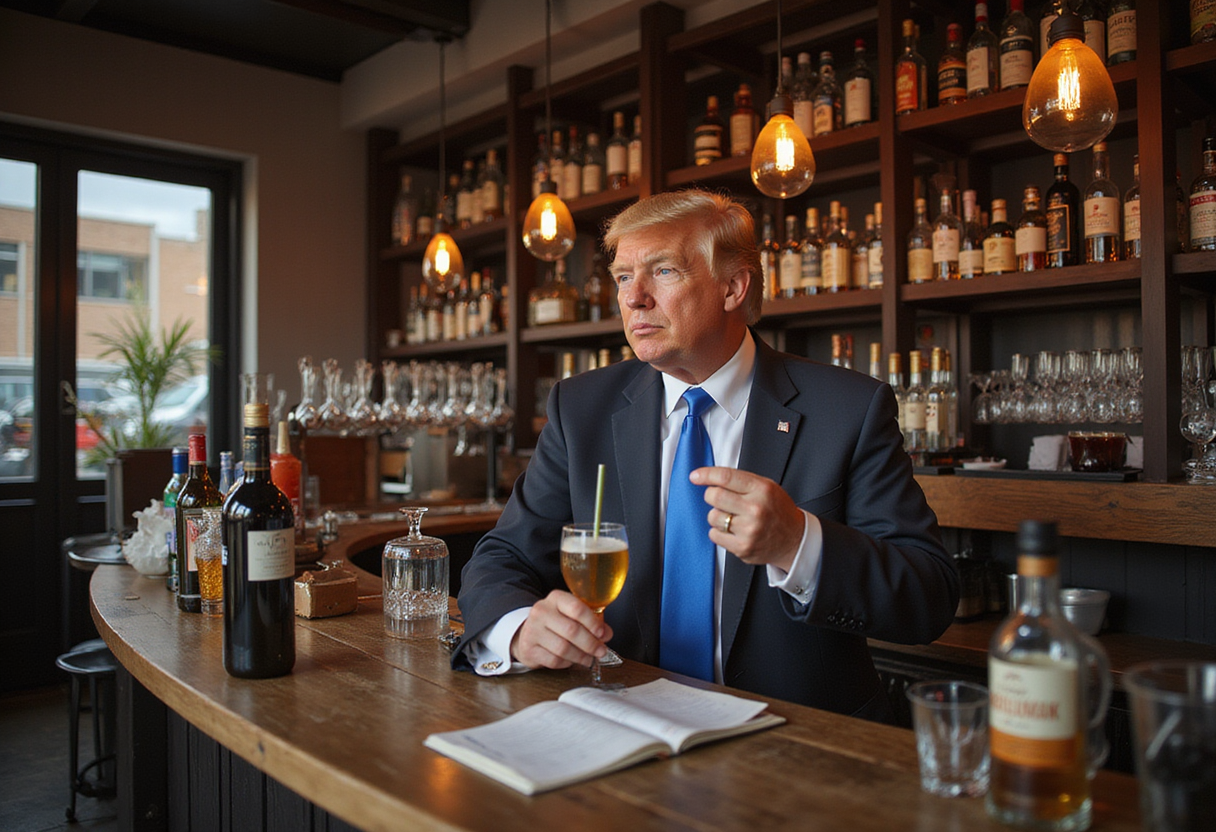
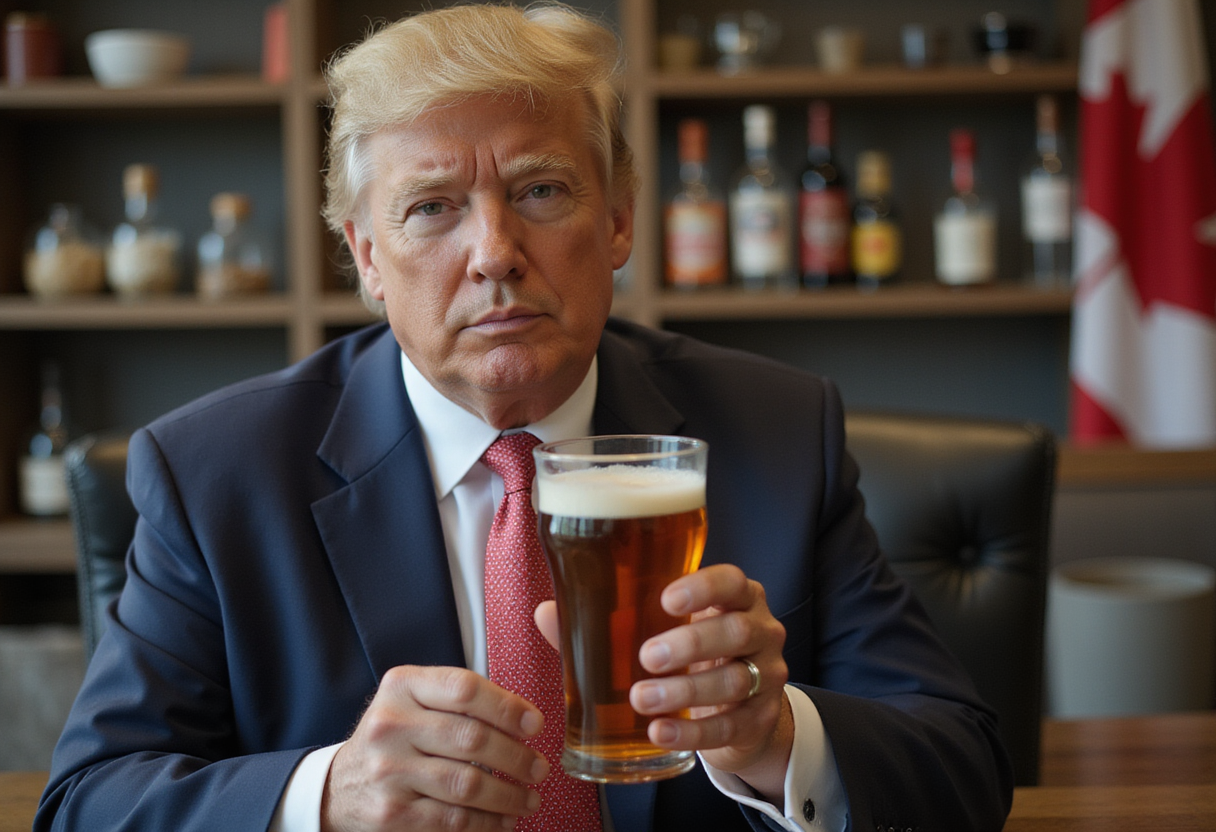
The American spirits industry is warning that President Trump's Canadian alcohol ban will damage US hospitality operators, not just the cross-border trade in whiskey, vodka and other products.
The warning, reported by Yahoo Finance, comes as Canadian provinces move to pull American-made alcohol from retail shelves and bar programs in retaliation for US tariff policy. For US hospitality businesses, the concern runs in two directions: distillers lose their largest export market, and operators on both sides of the border face disruption to drink menus that have leaned heavily on American spirits.
Canada has long ranked as the top export destination for American whiskey and other US spirits. Provincial liquor boards — which in most Canadian provinces hold monopoly control over retail and wholesale distribution — have become the fastest and most visible lever for retaliation, because a single board decision can remove hundreds of American SKUs overnight.
Industry groups argue the fallout will land squarely on hospitality. US distillers facing lost Canadian sales will confront weaker volumes at exactly the moment tariff-driven cost pressure is already squeezing margins on inputs like glass, grain and packaging. Bar and restaurant operators, meanwhile, risk price volatility and supply gaps on high-margin spirit categories that anchor cocktail programs.
The spirits sector has spent decades building Canadian market share, and industry representatives say a sustained provincial boycott would undo that distribution progress — shelf space and menu placements that took years to win are not easily recovered once Canadian buyers switch to domestic or third-country alternatives.
For hospitality operators, the stakes are commercial rather than political. Spirits typically carry some of the strongest contribution margins on a beverage menu, and any restriction that forces reformulation of cocktail lists, repricing of pours, or substitution away from recognized American brands translates directly into cost-of-goods and menu-engineering decisions at the operator level.
The industry's warning also signals a broader concern: as trade disputes increasingly play out through alcohol channels, hospitality businesses become collateral damage in fights they did not pick. Provincial liquor monopolies can act unilaterally and immediately, which makes alcohol a first-order retaliation target regardless of what negotiators do next.
How long the Canadian restrictions remain in place, and whether US tariff policy shifts in response, will determine whether this becomes a temporary disruption or a durable loss of the spirits industry's most valuable export market.
More from Olivia Hart
Show full bio
Staff writer covering marketplaces and e-commerce at The Pass Brief.
57 articles