52% Say ‘Why Aren’t You Drinking?’ Is Inappropriate at Holidays
A poll of 2,000 U.S. adult drinkers finds 52% reject “Why aren’t you drinking?” at holiday parties, while 82% want hosts to offer appealing alcohol-free options.
By Rebecca Stone
52% of U.S. adult drinkers said asking “Why aren’t you drinking?” at holiday gatherings is inappropriate, according to a Talker Research poll commissioned by the International Alliance for Responsible Drinking. Hospitality now includes managing a guest’s choice not to drink. The etiquette is stricter than the guest list suggests.
Talker Research administered and conducted the online survey of 2,000 U.S. adults aged 21 and older who drink alcohol from Oct. 13 through Oct. 22, 2026. The study used an even generational split and required internet access.
What does the survey reject?
A majority, 52%, called that question inappropriate. Boomers led the objection at 74%, compared with 37% of Gen Z, so the louder defense of personal choice came from the older group, not the youngest. The finding leaves hosts a narrow brief: offer options, skip the interrogation. Gracious, and mercifully short.
Which behaviors count as poor etiquette?
The survey treats alcohol consumption as a question of manners, not merely personal choice, and assigns every disputed behavior a measurable share of disapproval. Respondents identified these faux pas (socially awkward acts):
- Pressuring someone to have another drink: 63%
- Overindulging in alcohol: 59%
- Commenting on how much someone is drinking: 50%
- Expecting everyone to participate in a round (a shared drink): 49%
- Automatically refilling someone’s glass without asking: 48%
- Commenting on how little someone is drinking: 45%
- Bringing alcohol to an event without asking the host: 38%
- Asking someone why they switched to a non-alcoholic drink: 38%
Why does moderation lead?
Moderation (drinking less) will shape holiday behavior for 53% of respondents, ahead of taste at 46% and socializing at 43%, according to the survey. When asked to name one consideration, moderation led at 40%, followed by taste at 30% and cost at 12%. Cost finished a distant third, but the poll offers no pricing guidance for alcohol-free alternatives.
“Moderation and celebration can go hand in hand,” said Julian Braithwaite, chief executive officer at the International Alliance for Responsible Drinking. “It is encouraging that moderation tops the priorities of the adults we surveyed, alongside such strong support for making their own decisions about whether and how much to drink.”
How much social pressure remains?
The survey recorded a strong preference for independent choice, with 91% saying it was important to make their own drinking decisions without feeling influenced by others. Seventy-four percent felt comfortable stopping first, while 77% felt comfortable not drinking when most other guests were drinking. Yet 40% still reported feeling some pressure to drink when others were drinking.
Boomers more often said not drinking had become more socially acceptable over the past five years: 60%, compared with 37% of Gen Z. Attention diverged as well: 23% of Gen Z paid a lot of attention to whether others drank at parties, while 51% of boomers paid no attention. Yet 55% of Gen Z now felt more comfortable declining a drink, compared with 42% of boomers.
What should hosts provide?
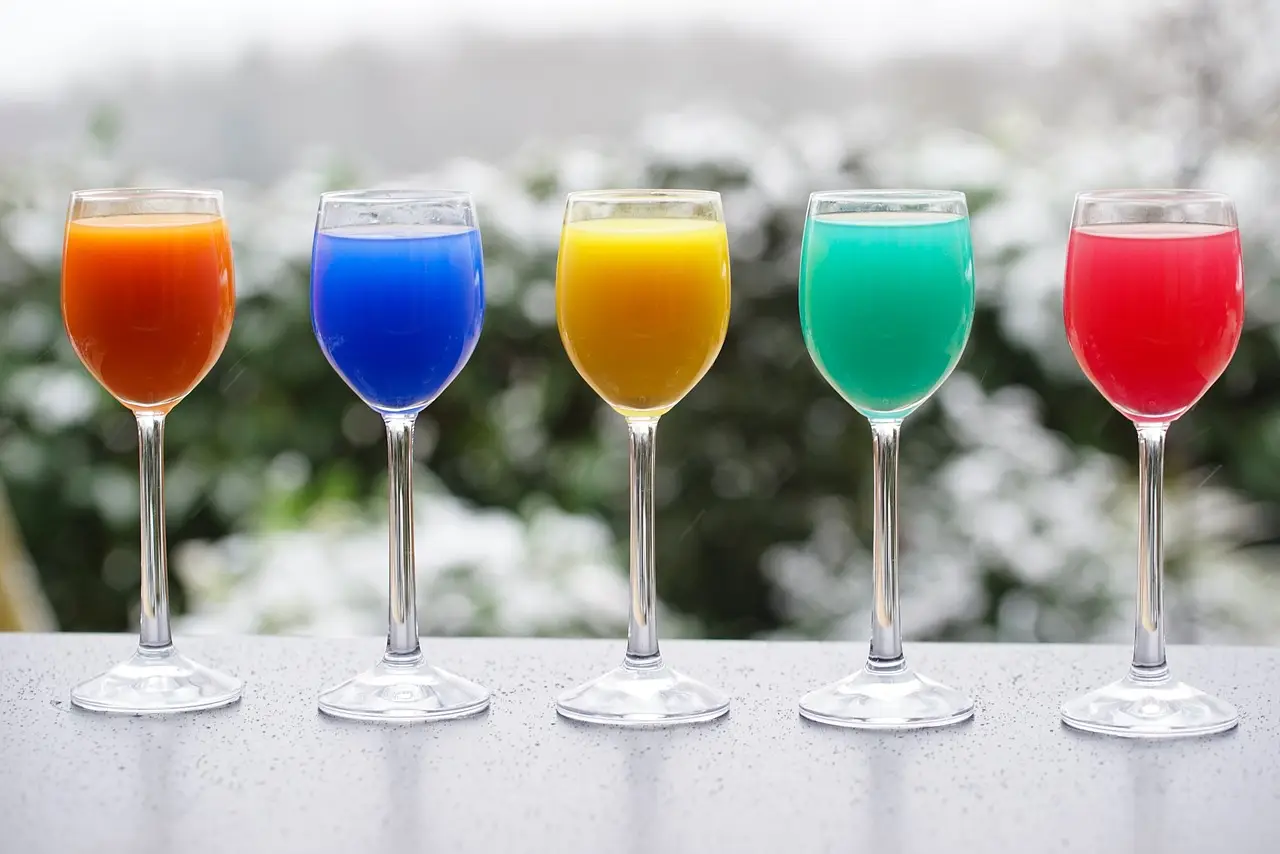
Hosts face a clear expectation: 82% of respondents said hosts should provide appealing non-alcoholic (alcohol-free) drink options at holiday gatherings to accommodate different preferences. Nearly half, 46%, said they would choose a non-alcoholic beer, wine, spirit or cocktail alternative. Gen Z would choose one at 58%, compared with 34% of boomers.
Refill practices offer a smaller test of manners. 45% called asking before refilling a glass the most polite approach, while 26% said guests should refill their own glasses.
“Good hospitality makes room for everyone,” said Braithwaite. “Offering appealing choices, including alcohol-free options, helps guests enjoy the occasion in the way that suits them. Whether someone chooses to have a drink, drink less or not drink at all, the focus should be on enjoying time together.”
What should hosts take from this?
The poll measures stated etiquette rather than restaurant demand, sales or menu economics, so its signal for hosts and beverage sellers is practical rather than financial. For hosts, that means widening alcohol-free choice, asking before refilling and leaving each guest’s consumption alone. It is a service signal, not a sales forecast. The next test is whether those preferences extend beyond the holidays.
More from Rebecca Stone
Show full bio
Senior reporter covering technology and product news in Restaurant and hotel operations at The Pass Brief.
600 articles