Bar Nuestro Spent Two Weeks Painting One 300-Square-Foot Room
Bar Nuestro opened in D.C. in late October with 25 percent vintage furniture and a 300-square-foot room that took two weeks to paint. Founder Daniella Senior explains the economics.
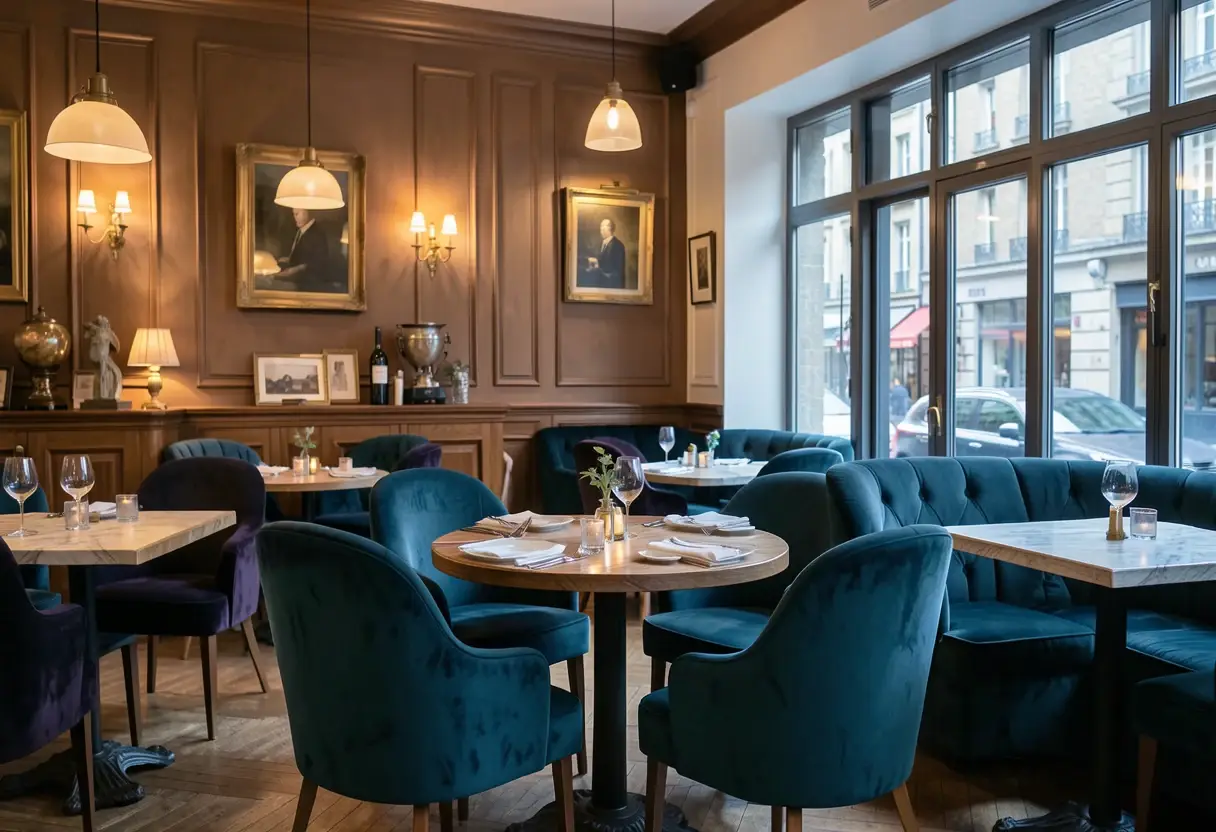
Bar Nuestro opened in Washington, D.C. at the end of October, and roughly a quarter of its furniture dates from decades before the building existed. Founder Daniella Senior said about 25 percent of the furniture consists of vintage pieces, including chairs from Austria and Italy made in the 1930s. The restaurant serves European- and Latin-inspired dishes and drinks.
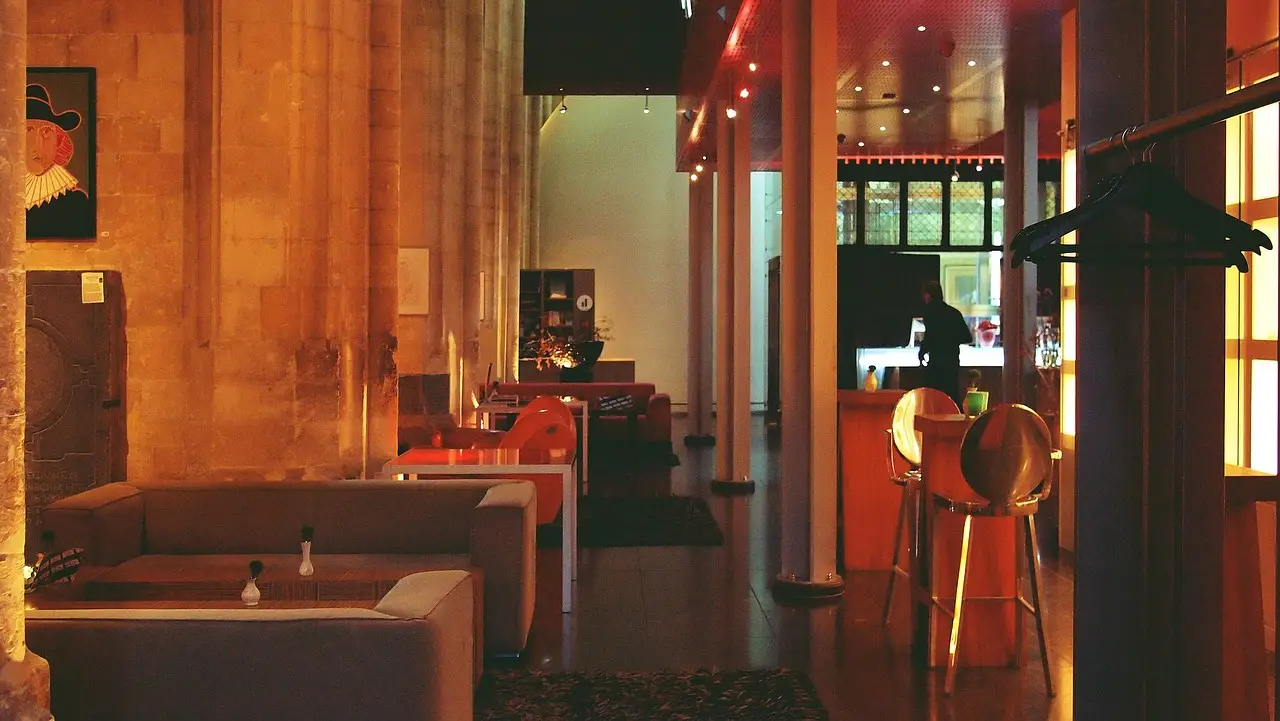
Senior partnered with designer Shawn Hausman, whose firm worked on the Chateau Marmont and the 1980s New York club Area. Their goal was contradiction: make a brand-new buildout read as an Old World institution. Senior said she drew heavily on Vienna's corner cafes, spaces that have operated as institutions for generations, to give the room what she called a "we've been here a minute" feel.
The sourcing process was hands-on and transatlantic. Hausman traveled through Europe and sent pictures of finds to Senior. She sourced accent pieces — a credenza for the garden room, vases, menu holders, a vintage phone — from local vintage shops. The fabric carries vintage patterns. Senior admitted the mix raised doubts during installation. "There were times where I was like, 'I'm not sure how these things are gonna go together,'" she said. She now calls the result thrilling.
What does the buildout cost in labor time?
One number stands out. The aperitivo room, a 300-square-foot space, took more than two weeks to paint because of its level of detail. That room transitions from a cafe side during the day and carries textures and shades of blue. The layout then splits into four more personalities: a bright, cozy main dining room; a primarily green garden room with striped ceiling and walls; and a quieter patio.
The main dining room contains three semi-private nooks that each seat about five people. Senior said a Vienna cafe inspired them. The design serves two operational purposes. First, it offers privacy to families — Senior has a young child and said parents get nervous in nicer restaurants when kids are loud. Second, a mirror trim around the nooks lets staff track where diners are in their meal without hovering. Service improves without intrusion.
Are the small details deliberate?
Yes, down to the hooks. Senior comes from a culture where putting a purse on the floor is unacceptable, and restaurants back home bring purse chairs to tables. Bar Nuestro lacks space for that, so it installed sufficient wall hooks throughout. Senior argued comfort depends on lighting, music, and details like hooks that operators often neglect.
Her advice to operators hiring a designer is blunt: set a clear budget from the start and understand costs. She chose Hausman after realizing he had designed several spaces she already admired, which made the decision natural.
How is the opening going?
Senior reported strong neighborhood reception in the first weeks. She framed the project in two stages: "There's the first hump of opening the location itself, and then you have the second hump which is really building the community around it." She said many people only see the first hump, and the second — building day-to-day routines and a regular base — has proven both challenging and rewarding.
The vintage-heavy approach carries real execution risk that Senior does not quantify: sourcing costs, lead times from European dealers, and maintenance on 90-year-old chairs all remain unaddressed. With the space set, the test now shifts to whether the neighborhood builds the community half of her camel metaphor.
More from Marcus Bennett
Show full bio
Market editor covering technology and product news in Restaurant and hotel operations at The Pass Brief.
798 articles