Moxy Sydney Airport GM: Why Airport Hotels Run on a Different Clock
Moxy Sydney Airport's 301 rooms opened in 2023; GM Sid Bhatia explains why airport demand shifts in minutes and how culture drove the No. 1 Tripadvisor rank.
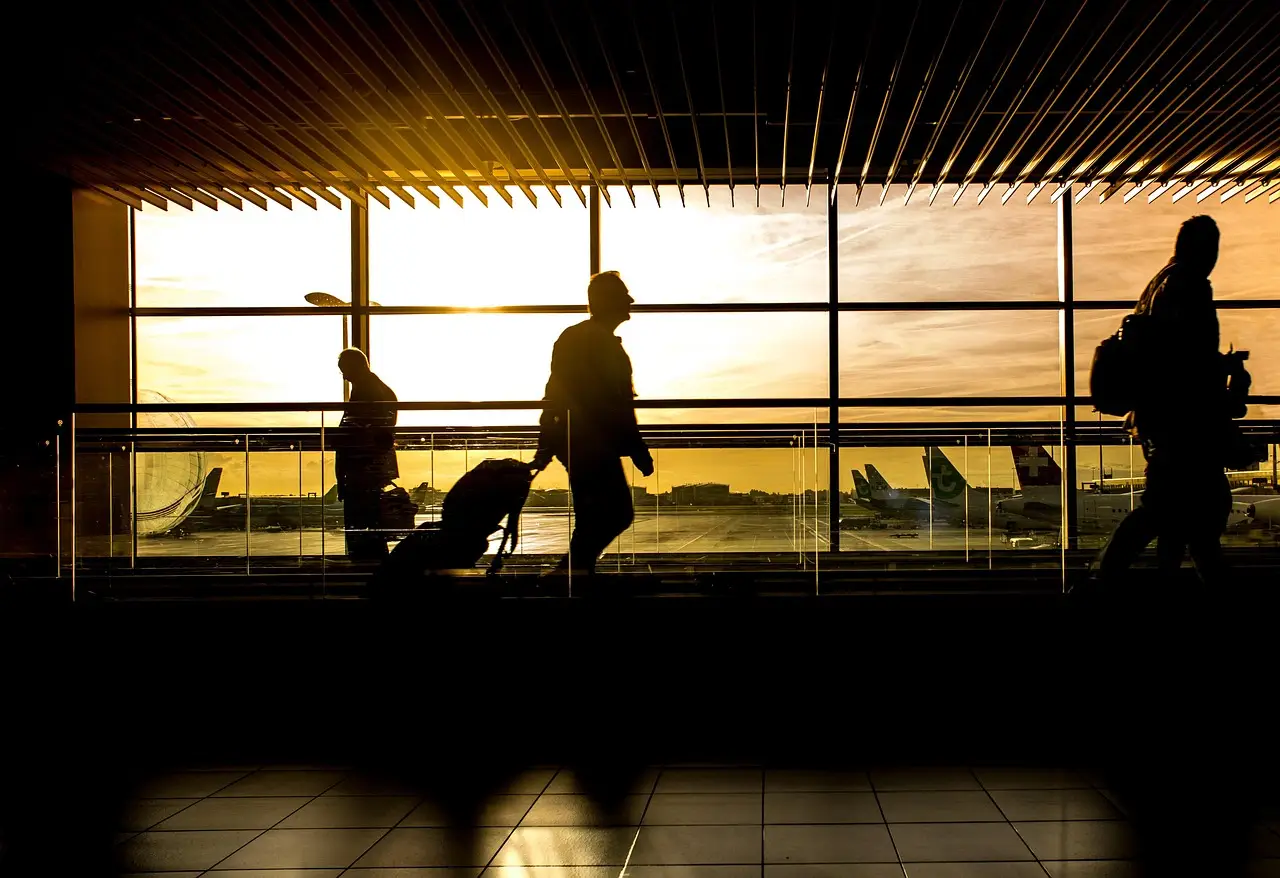
Marriott International opened the 301-room Moxy Sydney Airport in 2023, and the property has since taken the 2024 Australasia-Pacific Hotel Design Awards' New-Build Hotel of the Year title plus the 2024 Paul Davis Award for Australasia-Pacific Hotel of the Year. It now also holds the No. 1 spot on Tripadvisor in its market. General Manager Sid Bhatia says the win came from culture, not from any single initiative.
"Getting to No. 1 isn't about one initiative or one department," Bhatia said. "It's the result of thousands of individual guest interactions and a team consistently getting the small things right."
Why an airport hotel isn't a city hotel
The core operational difference, Bhatia argues, is demand predictability. A city hotel can forecast around events, weekends and corporate travel cycles. At an airport, circumstances change in minutes. Weather events, flight cancellations and operational disruptions can create sudden spikes in accommodation demand, and the team has to respond fast without damaging the guest experience.
The second difference is guest mindset. Many arrivals come off a long flight, a cancellation or an unplanned change. They're tired, frustrated, or simply want travel made easier. The operator's job is to remove friction — and to shift the perception that an airport hotel is only a place to sleep before a flight.
"We want it to be part of the journey, with great food and drinks, energetic social spaces and a team that genuinely enjoys engaging with guests," Bhatia said.
How do you stand out when everyone has the location?
Bhatia's answer: stop competing on location and price. Near an airport, nearly every hotel offers convenience, so experience becomes the real differentiator. That means leaning into Moxy's playful brand personality rather than mimicking a traditional airport hotel — but only on top of fundamentals: a good night's sleep, efficient arrival and departure, a strong food-and-beverage offering, and staff empowered to solve problems on the spot.
He also stresses that airport guests aren't one market. Airline crew, corporate travellers, disrupted passengers, groups and leisure guests each have different needs, and consistent delivery across those segments is what separates winners.
Management by floor time
Bhatia describes his style as trust, visibility and empowerment. "Hospitality happens in real time, so you can't have a team that feels it needs management approval for every decision," he said. Leaders need to be present — talking to guests and staff on the floor rather than managing solely through reports and meetings. The approach fits the Moxy culture of staff bringing their own personalities to work.
What does 2027 look like?
The commercial targets centre on airline crew, corporate, groups and events, alongside leisure growth and deeper Marriott Bonvoy engagement. Strategically, Bhatia wants the hotel to function as a destination where locals, travellers and businesses meet, eat, drink, work and connect — not just a room near a terminal.
Guest experience remains the guardrail. Growth only matters if the experience grows with it, so people development, culture and guest listening top the priority list. Holding the No. 1 ranking would be welcome, Bhatia said, but the real goal is delivering the kind of experience that keeps guests believing the hotel earned it.
More from Olivia Hart
Show full bio
Staff writer covering regulation, policy and their impact on Restaurant and hotel operations at The Pass Brief.
692 articles