Hoteliers Face Tighter Vetting as Corporate Travel Programs Shrink
Corporate travel managers are shrinking preferred-hotel lists, deploying AI to vet properties, and elevating duty of care, executives said at the Global Business Travel Association Convention 2026.
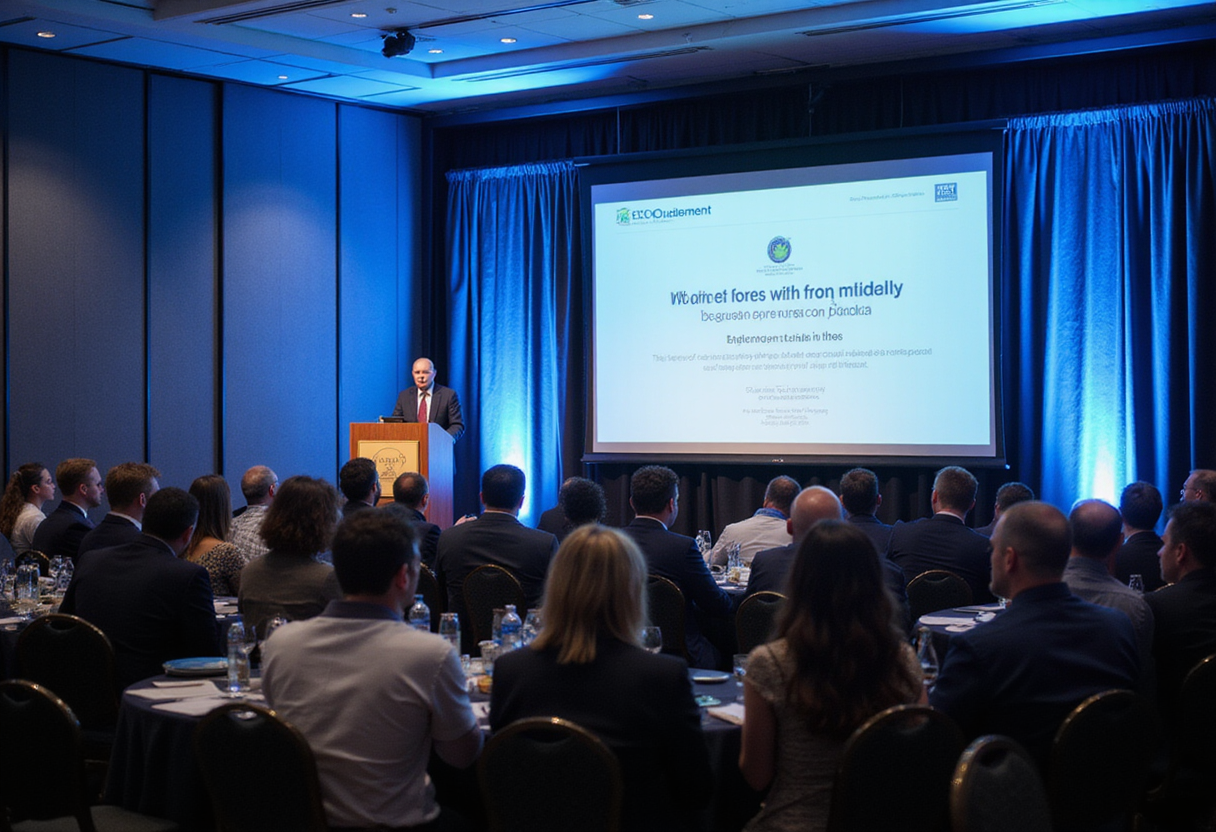
Corporate travel buyers are pruning their preferred-hotel rosters and concentrating room nights on properties that have proven they can perform, executives gathered at the Global Business Travel Association (GBTA) Convention 2026 said this week.
The shift carries direct revenue consequences for hoteliers: hotels with thin production face removal from corporate programs, while top performers can capture a larger share of contracted volume.
"Travel managers are becoming more selective about their hotel programs," a Hospitality America executive told attendees, describing the mood as "cautiously optimistic" rather than retrenchment. The third-party management company operates Hilton- and Marriott-branded hotels on behalf of owners in several markets.
What is changing inside corporate hotel programs?
- Consolidation: buyers are moving from long preferred-hotel lists to shorter rosters built around actual production.
- Property-level review: production data is being evaluated at the individual hotel, not only at the brand or portfolio level.
- Account stewardship: sales teams are expected to track whether negotiated accounts are producing and why travelers are choosing or bypassing the property.
- Compliance and duty of care: visibility into where employees book has moved from a back-office function to a value proposition for corporate clients.
Where does AI fit in?
AI was a recurring theme across GBTA breakout sessions, though adoption does not require sophisticated embedded platforms. Travel managers are already using AI tools to analyze booking data, identify traveler patterns, and surface pricing or service gaps.
For hoteliers, the signal is that decisions on preferred status are increasingly data driven. Guest satisfaction scores, friction at check-in, virtual credit card payment reliability, and recognition of repeat travelers all feed into the corporate buyer's evaluation.
"AI may be getting attention, but ultimately, it is helping companies answer a very human question: are we making the right travel decisions for our people and our organization?" the Hospitality America executive said.
How is duty of care reshaping hotel value?
Compliance was elevated across GBTA programming, with speakers linking approved-channel booking to traveler safety in geopolitical crises, natural disasters, and other emergencies. For hoteliers, the takeaway is that safety has moved out of the back office and into the sales pitch to corporate accounts.
What does pricing look like in 2026?
Static negotiated rates remain central to many accounts, but the broader corporate market has moved toward dynamic pricing, with buyers accepting reasonable year-over-year increases tied to market realities. Hotels are now expected to articulate what the rate buys — availability, recognition, friction-free service — rather than compete on price alone.
Winning corporate business "is not simply about offering the lowest rate," the Hospitality America executive argued, but finding the right balance between rate, availability, traveler needs, and long-term account value.
Does service still win?
Yes — and that was one of the clearest messages from the convention floor. Frequent business travelers want seamless check-in, working virtual credit card payments, visible safety measures, and recognition of their preferences across stays.
"Technology can help us recognize the guest, but technology alone does not create hospitality," the executive said. "What matters is what we do with the information."
Guest messaging platforms, status matches, and targeted property promotions are being used to convert recognition into repeat stays rather than just loyalty points.
What it means for operators
Corporate travel is not contracting — it is being engineered. Travel managers are consolidating programs, leaning on AI, scrutinizing pricing, and weighting compliance and the actual on-property experience more heavily. The hoteliers who hold share will be the ones who connect sales execution with operational delivery, and who can demonstrate production at the property level rather than the brand level.
For third-party managers like Hospitality America, asset stewardship and corporate account growth now sit on the same spreadsheet, and the next 12 months of negotiated RFPs will reward operators that can prove both.
More from Marcus Bennett
Show full bio
Market editor covering media and advertising at The Pass Brief.
243 articles