Maia Farms pitches 25–40% mycelium blend as beef nears record $28/kg
Maia Farms is selling a mycelium blend that can account for 25–40% of the meat in restaurant dishes, timed to Canadian retail beef near a record $28 CAD/kg. The Vancouver producer targets food-cost relief without rewriting menus.
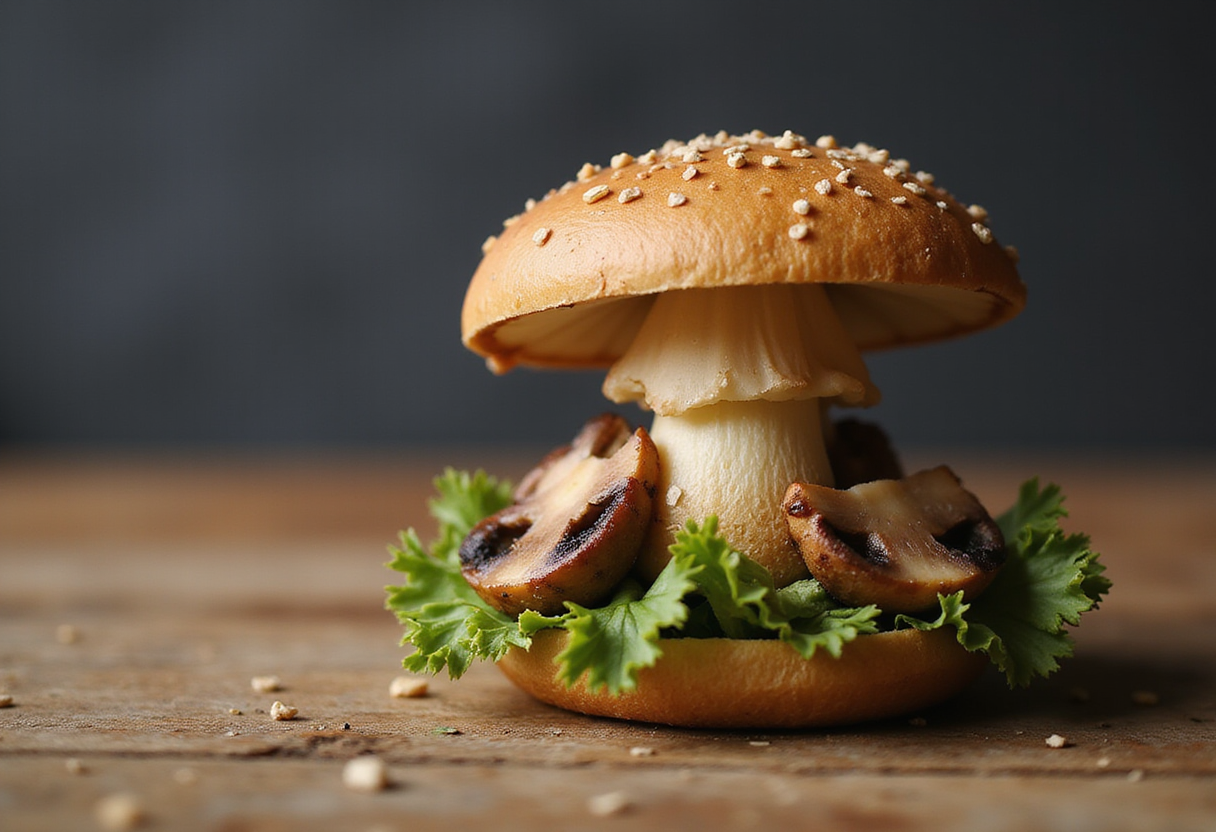
Mycelium grown in a bioreactor can account for up to 40% of the meat in a dish without sacrificing moisture or umami
Maia Farms is selling a mycelium blend that can make up 25% to 40% of the meat in restaurant dishes, a proposition timed to Canadian retail beef hitting a near-record $28 CAD per kilogram in April.
The Vancouver food company grows the root-like structure of fungi in a bioreactor, then dries and processes it into an ingredient that drops into existing meat formulations. "The bioreactor allows us to control the environment in which the mycelium are grown," Sean Lacoursiere, chief innovation officer at Maia Farms, said.
What does the blend look like on a menu?
Karen McAfee, the company's director of food science and innovation, said mycelium can constitute roughly 25% to 40% of the meat in select dishes. The ingredient retains moisture and adds umami, two functional properties that matter when operators reformulate burgers, ground-beef sauces, taco fillings or meatballs.
"It can help retain moisture… it can also help with the high level of umami flavour," McAfee said.
The pitch is an extender rather than a replacement. Restaurants still serve the protein diners recognize; the mycelium quietly lowers the cost of goods sold without forcing a menu rewrite or a label change.
How does the math work against beef?
Beef carries a price tag operators cannot ignore. Canada Beef figures cited by CBC News put retail beef at about $28 CAD per kilogram in April, close to a record. Because protein typically sits near the top of the food-cost line, any sustained climb flows directly to menu prices — or to plate composition.
A 25–40% mycelium swap translates into a meaningful cut in raw protein spend on every plate built around ground or shredded beef. Operators that hold menu prices steady preserve check averages and protect traffic; those that pass savings through can widen the price gap with quick-service competitors.
Why pitch an extender instead of a replacement?
The positioning also insulates Maia Farms from the headwinds facing plant-based meat. The Good Food Institute, cited by CBC News, reported "both dollar and unit sales declines" for U.S. plant-based meat and seafood, adding that those declines ran deeper than at conventional meat and the wider food and beverage sector.
By selling into existing meat supply chains rather than competing with them, Maia Farms sidesteps the consumer-reluctance problem that has slowed category leaders. The blend goes into burgers, tacos and pasta sauces already on the menu.
What's the sustainability case?
Environmental claims rest on the company's own figures alongside a 2024 Canadian Roundtable for Sustainable Beef report. Lacoursiere said Maia produces about 4.4 pounds (2 kilograms) of carbon dioxide for every 2.2 pounds (1 kilogram) of material.
The beef comparison is stark: 2.2 pounds of consumed boneless beef in Canada carries roughly 72.3 pounds (32.8 kilograms) of carbon dioxide and 505 gallons (1,912 liters) of water. A 40% mycelium blend therefore carries a fraction of the climate load of an all-beef equivalent — and uses far less water per finished plate.
What does scale-up look like?
Maia Farms is focused on production volume and unit cost, the two variables that determine whether the blend reaches chain-account pricing and shows up on limited-service menus.
"The whole goal of our company here is to produce mycelium at large scales, at a very cost competitive level. And we're already seeing that," Lacoursiere said.
If costs fall to parity with conventional protein extenders, the product is positioned to migrate from restaurant kitchens into prepared foods and grocery shelves, giving shoppers another option between traditional meat and fully plant-based alternatives — a category still searching for traction.
More from Olivia Hart
Show full bio
Staff writer covering marketplaces and e-commerce at The Pass Brief.
231 articles