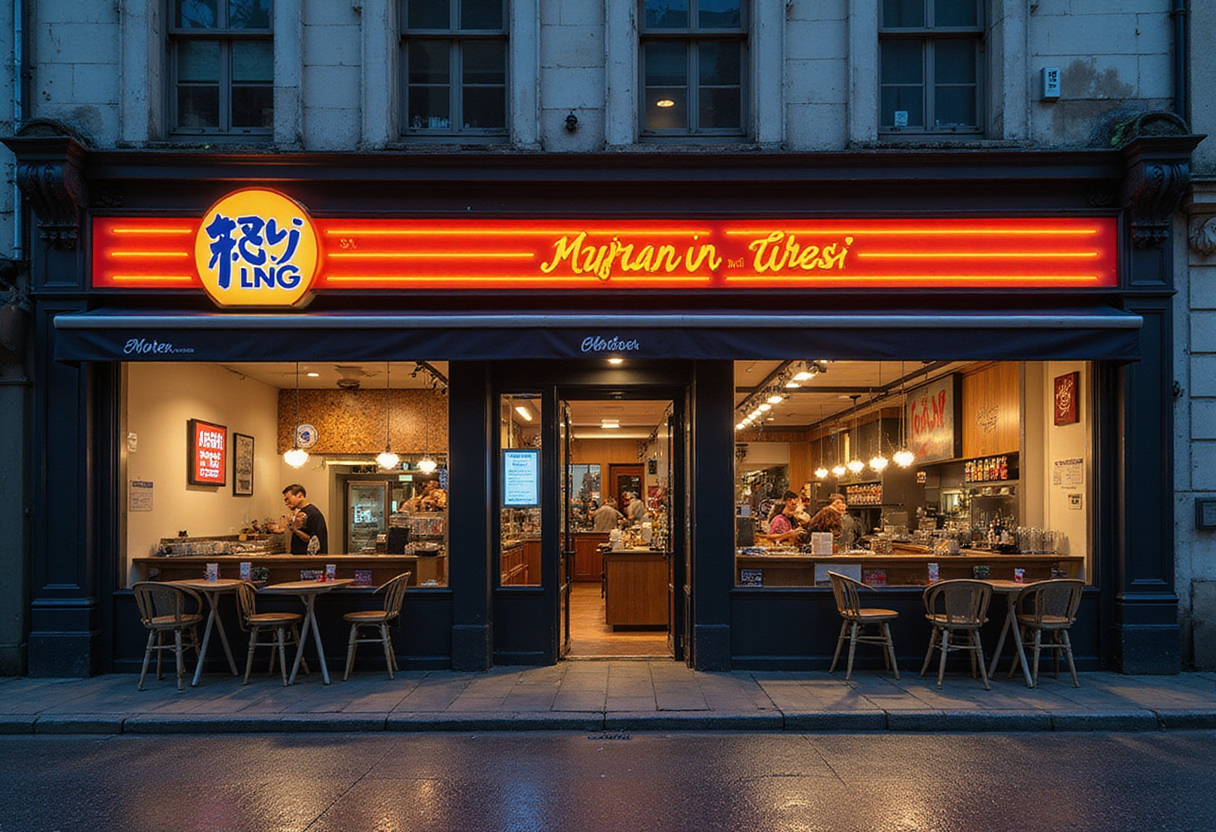
Mad Greek Deli to Close; Owner Says He Gave It His All
Mad Greek Deli in Beaverton is closing, its owner says, despite giving the business his full effort. No closing date or cause has been disclosed.
Mad Greek Deli in Beaverton, Oregon, is closing, and its owner says he gave the business everything he had.
That is the full substance of the announcement carried by the Beaverton Valley Times. The report confirms two facts: the closure is upcoming, and the owner frames his tenure as a maximum effort. Everything else — the closing date, the cause, the financial picture — remains unstated.
Independent restaurant closures rarely arrive with clean paperwork. The public version usually carries a personal statement and nothing more. This case fits that pattern exactly.
What does the owner's statement actually say?
The owner's defense is emotional, not operational. He says he gave it his all. That phrase tells readers about commitment. It does not tell them about the cost structure that ended the run.
For operators, the omission matters. A closure statement without numbers leaves the industry without a lesson. Was it rent? Labor? Food costs that outran menu prices? The report does not say. Any of those pressures would fit the current environment for independent delis in suburban Portland-area markets.
The absence of detail is itself a data point. Owners who close because a lease expired often say so. Owners who close after a sales decline often do not.
What is not in the announcement?
The report, as circulated, lists no figures at all:
- No closing date
- No reason for the closure
- No sales, traffic or margin data
- No information on staff or their next steps
- No statement on whether the brand or recipes could resurface elsewhere
Readers should treat every causal claim about this closure as speculation until the owner or the publication supplies specifics. The Valley Times headline commits only to the closure and the owner's characterization of his effort.
Why closure statements matter to operators
Single-unit independents close quietly every week across the country. Each closure removes a data point from the market. Without disclosed causes, neighboring operators cannot distinguish a lease failure from a demand failure or a cost failure.
That distinction carries real money. A lease failure leaves the trade area's customer base intact for the next operator. A demand failure signals a shrinking lunch or dinner daypart. A cost failure — where food and labor outpace check growth — signals pricing pressure that will reach every menu in the market.
Mad Greek Deli's silence leaves that question open for Beaverton.
What happens next
The closure will proceed on a timeline the report does not specify. Customers who want a final meal should watch the restaurant's own channels, since no official end date appears in the coverage. A fuller account — dates, reasons, and any succession plan — may follow if the owner or the Beaverton Valley Times publishes an expanded version of the story.
More from Marcus Bennett
Show full bio
Market editor covering technology and product news in Restaurant and hotel operations at The Pass Brief.
352 articles