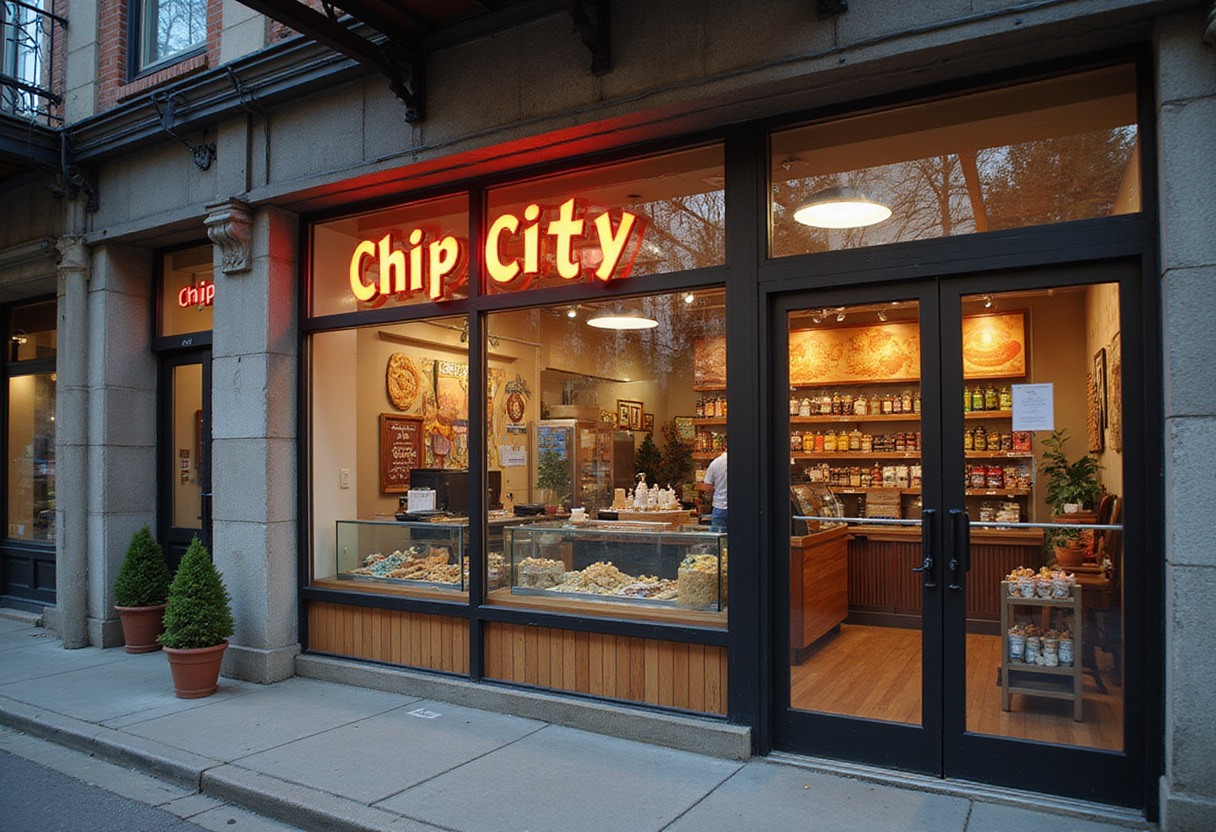
Chip City to Close All Locations, NRN Reports
Chip City is shutting down every one of its stores, per a Nation's Restaurant News headline. The brief notice leaves unit count, closure timing, and ownership response undisclosed.
Chip City, the cookie bakery chain, is shutting down every one of its stores, according to a Nation's Restaurant News headline.
The one-line notice does not specify a closure date, the unit count affected, the cause of the wind-down, or the workforce impact. It also does not identify the ownership group behind the decision or indicate whether any locations will be converted, refranchised, sold, or simply dark.
For operators and landlords who have tracked the chain's footprint, the unanswered scope of the pullback is the central question.
What does a full-unit closure mean for the chain's real estate?
Chip City's small-box, takeout-oriented bakery format generates rent pressure that depends on top-line throughput. A complete shutdown implies the operator concluded no configuration of remaining stores could carry the overhead. The unanswered question is how many leases sit on the closing list and whether any landlord will pursue an assignment to an incoming tenant rather than absorb a vacancy.
What do operators need to know?
Three data points will determine how the closure reads for the broader bakery and dessert segment:
- Unit count and lease obligations, which dictate landlord negotiations and any potential assignee interest.
- Labor impact, including severance terms for hourly bakery staff and any commissary or corporate workforce.
- Supply chain disposition — whether the operator winds down vendor contracts cleanly or transfers them.
Why are full-fleet shutdowns rare in foodservice?
Full-portfolio closures typically follow one of three triggers: an ownership change, a liquidity event that exhausts operating runway, or a failed restructuring. The more common pattern in the restaurant sector is a Chapter 11 filing that preserves operating locations while the operator negotiates rent and debt. A clean wind-down — closing all units without a court-supervised process — points to either a negotiated exit with landlords or an owner electing to walk away from the leases.
How do operators typically read a clean shutdown vs. a Chapter 11?
A Chapter 11 filing typically signals the operator wants to preserve enterprise value and renegotiate. A clean shutdown, by contrast, signals the owner has decided the going-concern value is below the cost of negotiating one. For multi-unit operators, the difference matters because a clean shutdown usually produces fewer recoveries for unsecured vendors and landlords and a faster market reset for the real estate involved.
What does this mean for the bakery category?
The cookie and soft-bake segment drew a wave of entrants over the past several years, with multiple venture-backed concepts scaling into double-digit unit counts. When a chain of Chip City's visibility exits the market, it frees up real estate, hourly labor, and consumer mindshare that competing operators will compete for in the next lease cycle.
The industry's near-term question is whether any successor operator acquires the brand, the leases, or the equipment — or whether the closure is final and the storefronts return to the market cold. Until the operator or its representatives publish a unit count and a timeline, the next data release from the chain will set the read for the category.
More from Marcus Bennett
Show full bio
Market editor covering media and advertising at The Pass Brief.
243 articles