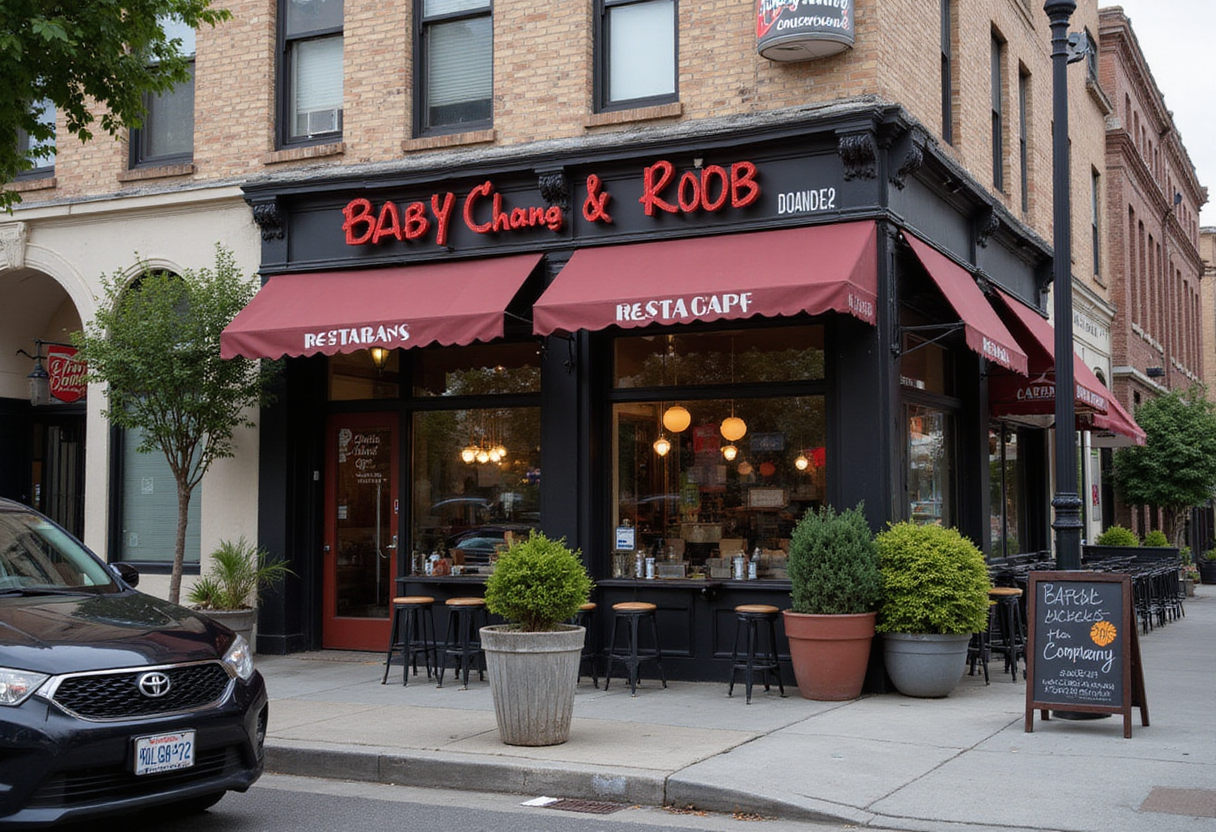
Golden Restaurant Closes After 11 Years, Latest Shutter in Denver Suburb
A Golden, Colorado restaurant operating for eleven years has closed, per Westword's weekly openings and closings column. The alt-weekly's 'another' phrasing points to a pattern of independents exiting the foothills market.
A restaurant in Golden, Colorado operating for eleven years has closed, according to Westword's weekly roundup of metro Denver openings and closings.
The closure, flagged in the Denver alt-weekly's recurring column, joins what the publication's headline calls "another" Golden exit, a phrasing that points to a pattern of independent shutters in the small foothills market. Westword's headline item does not name the operator, the unit's trading name, last-day sales, lease terms, or the closure date.
Eleven years places the unit beyond the steepest portion of the industry's well-documented early-failure curve. Reaching that mark generally indicates an operator who navigated at least two full economic cycles, including the 2020 pandemic disruption that compressed margins across full-service independents.
What does the source disclose?
The available reporting is thin. The headline item names only the duration and the market. It does not specify:
- The restaurant's name
- Operator ownership structure
- Seating capacity or square footage
- Average check or annual revenue tier
- Operator-stated reason for closure
- Final-service date
Without those data points, an operator-economics read is not possible. Margin pressure on independents typically runs through three buckets: cost of goods (protein, dairy, and produce inflation that has run ahead of headline CPI in recent quarters), occupancy (rent, property taxes, CAM charges), and labor (commonly cited near 30 percent of sales at full-service concepts, though Colorado-specific figures vary).
What does "Another" signal?
Westword's headline phrasing carries editorial weight. Alt-weekly restaurant columns in second-tier markets like Denver frequently function as the first public ledger of soft closures — operators who exit before any formal bankruptcy filing or landlord default notice. When a publication flags "another" closure in a specific submarket, it typically reflects either a cluster tied to a common cause or an active editorial beat.
Golden, population roughly 20,000, sits about 12 miles west of downtown Denver along U.S. 6 and Clear Creek. The market mixes a historic downtown driven by tourism — Buffalo Bill's grave, the Coors Brewery campus — with newer suburban frontage. Independents there compete with each other and with chains expanding steadily along the I-70 and C-470 corridors.
Why an 11-year exit still registers
An 11-year run does not insulate a unit from market shifts. Lease renewal cycles in Colorado frequently hit at years 10 and 15, applying upward rent pressure exactly when a tenant faces second-decade capital requirements. Hood and fire-suppression overhauls, equipment replacement, and ADA refreshes cluster in that window — often arriving as pandemic-era PPP and EIDL liquidity has fully rolled off operator balance sheets.
For an independent without a multi-unit overhead absorption base, those second-decade costs can outpace what a single location supports, particularly when local traffic patterns shift.
Westword's full weekly column publishes online and tracks both openings and closings. The next installment will indicate whether the "another" pattern in Golden continues, broadens, or breaks.
More from Daniel Okafor
Show full bio
Correspondent covering consumer brands and retail at The Pass Brief.
219 articles