Crumbl Cookie Closures Become a Real-Time Read on Fast-Casual's Squeeze
Crumbl's store closures are being read as a live indicator of discretionary-spending pressure on fast-casual, per KJZZ. Treat-driven traffic is the highest-elasticity line item in the segment, and operators are recalibrating menu mix, pricing, and labor accordingly.
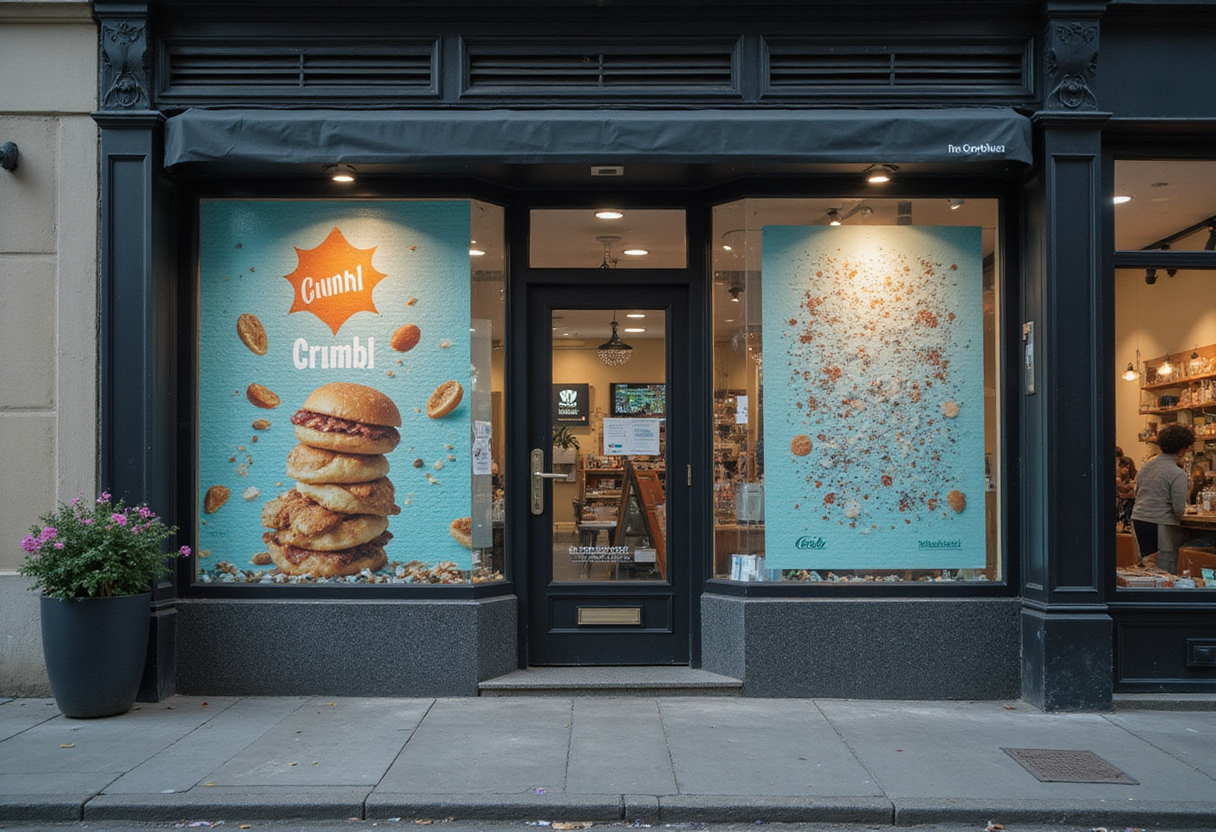
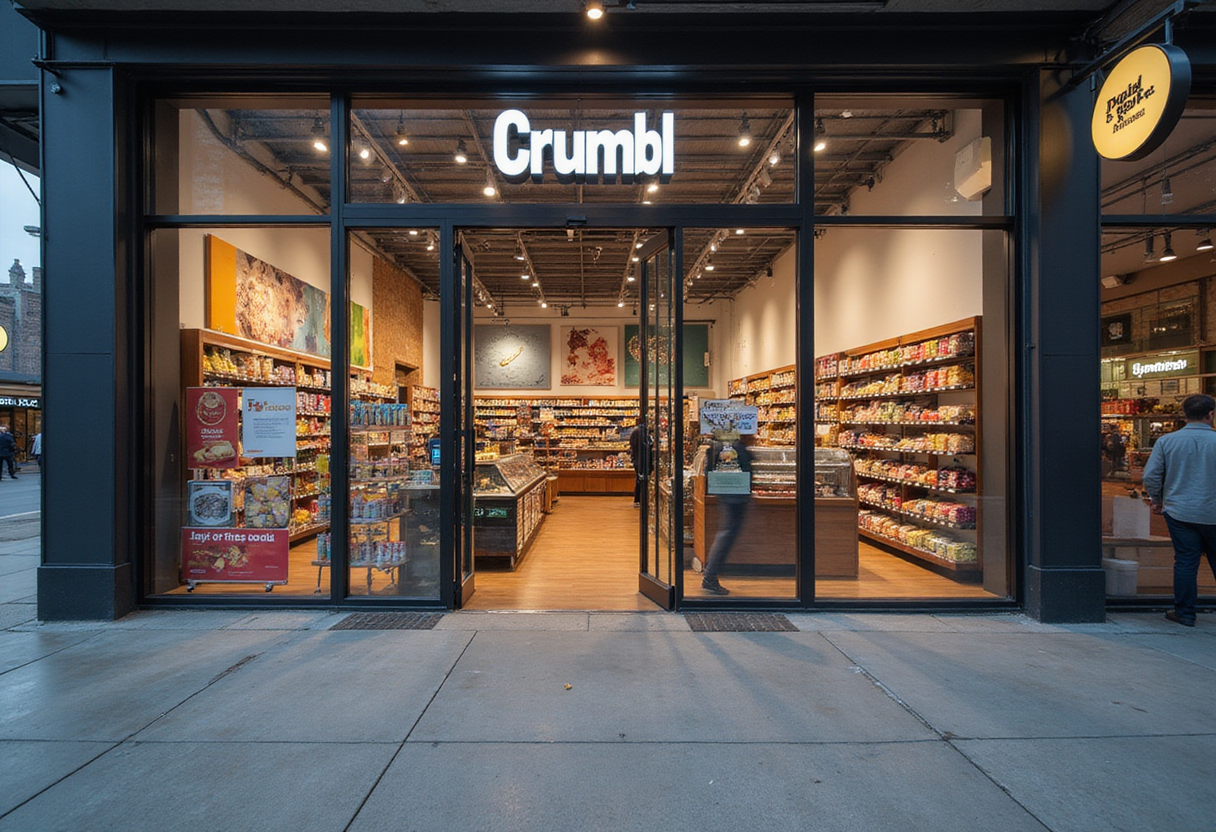
Crumbl's store closures are functioning as a live diagnostic for how discretionary-spending pressure is moving through the fast-casual segment, KJZZ reported, with operators and analysts treating each shuttered unit as a data point on consumer behavior.
The cookie chain, which built its growth around higher-end dessert stops in the impulse-purchase zone, is pulling back locations at a moment when the broader category is bracing for a steeper drop in treat-driven traffic than in meal-replacement traffic.
What does Crumbl's pullback actually signal?
KJZZ's framing is direct: the closures "offer a glimpse into pressure on fast-casual, discretionary spending." That language matters because it positions the contraction as a category indicator, not a brand-specific stumble. Fast-casual operators across sandwich, bowl, and dessert categories are watching the chain's unit economics for what they reveal about check sizes, traffic counts, and visit frequency.
Why is discretionary spending the binding variable?
Treat purchases — cookies, premium beverages, dessert add-ons — are the highest-elasticity line items on a fast-casual menu.
- A dessert stop can be skipped without affecting the meal plan
- The check size is small enough to absorb out of a discretionary budget
- Frequency drops before average ticket does
When households trim, those visits disappear first. The result is a visible category-wide softening in same-store traffic for brands positioned as indulgence rather than necessity.
What does this mean for fast-casual operators?
Operators reading the Crumbl signal are likely recalibrating three things on their P&L:
- Menu engineering: shifting mix toward perceived-necessity items (breakfast, protein-led bowls, family bundles) that compete with grocery and home prep
- Pricing discipline: holding the check average while trading down portion cost, rather than raising prices into a weaker demand environment
- Labor scheduling: tightening labor percentage against a traffic base that may no longer support the build-out that funded the 2022–2024 expansion wave
For franchised operators, the math is more compressed than for company stores: royalty and advertising-fund obligations are fixed against unit revenue, so a discretionary-spending-driven traffic dip hits contribution margin faster than at a corporate-owned comparable.
How should operators read the next quarter?
The forward signal from KJZZ's framing is that Crumbl's closures are unlikely to be the last unit-economics correction in the segment. Fast-casual brands whose average check lands above the QSR baseline — and whose traffic depends on a discretionary layer — will see labor percentage climb, food cost variance widen, and same-store sales soften in the same pattern the cookie chain's footprint now reveals.
The next read-through will come from any franchised-system earnings disclosures and from the next month of same-store sales reports across the cookie, premium-bowl, and specialty-sandwich subcategories that share Crumbl's discretionary exposure.
More from Daniel Okafor
Show full bio
Correspondent covering consumer brands and retail at The Pass Brief.
217 articles