John Tesar named corporate chef of Palladino’s Steak & Seafood
John Tesar replaces opening chef Sam Hazen at Palladino’s Steak & Seafood, a two-unit operator with sites in Dallas and New York, as the group adds lower-cost steak cuts, Italian dishes and seafood.
John Tesar now serves as corporate executive chef of Palladino’s Steak & Seafood, bringing one menu direction to a two-restaurant group with locations near Preston Hollow in Dallas and inside New York’s Grand Central Terminal.
The appointment follows the recent departure of Sam Hazen, Palladino’s opening chef. Tesar, a Dallas-based chef who has lived in the city for roughly 20 years, will divide his time between the two restaurants. Palladino’s did not disclose sales, margins, food costs, labor costs or check averages, so the financial effect of the change cannot yet be measured.
Tesar is a native New Yorker who began his culinary career in Manhattan and on Long Island, then held chef positions at several New York restaurants before a brief stint in Las Vegas. He moved to Dallas, where he became a high-profile chef and developed Knife along with related concepts.
Those businesses were widely praised. His licensed Knife & Spoon at the Ritz-Carlton Orlando Grande Lakes in Florida has a Michelin star, one of the strongest credentials in the portfolio he is bringing to Palladino’s.
He also cultivated a “bad-boy chef” reputation in Dallas, including a dispute with local restaurant critic Leslie Brenner, whom he banned from his restaurants. Most of his other concepts have closed, though Knife Steakhouse in Plano, Texas, remains open.
What does Tesar’s appointment change for diners?
For diners, the practical answer is straightforward: more steak cuts at different prices, more Italian dishes and a broader seafood selection.
At the operating level, the corporate title puts menu development and culinary execution under one chef for a young group. Central control can make purchasing and preparation more consistent, but without disclosed cost-of-goods, labor-percentage or average-check figures, the margin impact remains unknown. Palladino’s also did not specify whether either site is company-operated or franchised.
The timing is compressed. By the time of Tesar’s appointment, the New York restaurant had opened in September of the preceding year; the Dallas restaurant had opened in June of that year. Tesar arrives before either site has a long operating record under the Palladino’s name, giving him room to establish sourcing, preparation and pricing.
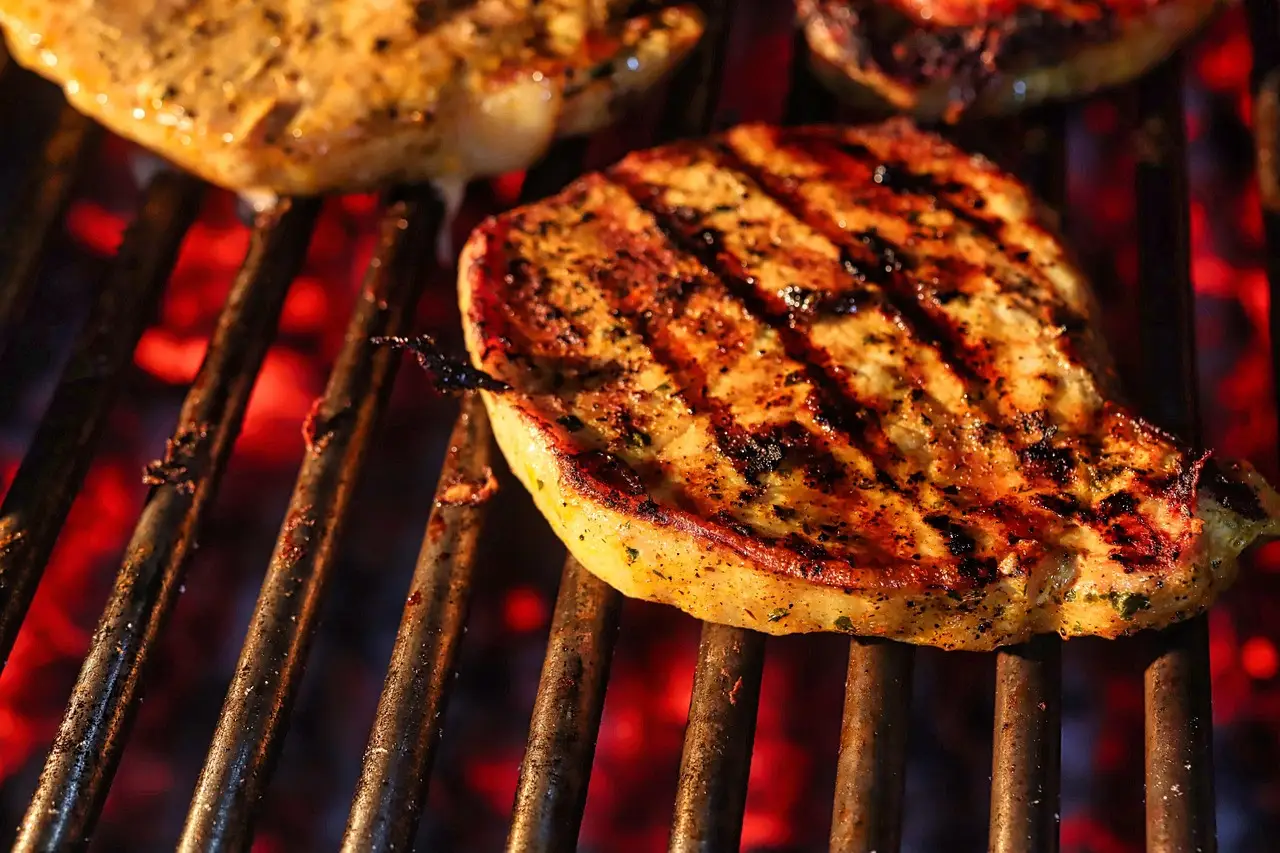
Palladino’s said Tesar is expected to expand the menu with “lower-cost flat iron and skirt steak,” plus more Italian and seafood dishes. In practical terms:
- Flat iron and skirt steak: Lower-cost cuts give the menu a less expensive steak option alongside higher-priced cuts.
- Italian dishes: A broader Italian offering widens the concept beyond steakhouse staples without changing its core identity.
- Seafood: More seafood choices deepen a category already named in the brand and give guests alternatives beyond meat.
For Palladino’s, the test is whether those additions lift throughput and average checks without ingredient and labor costs rising faster than sales. The answer will depend on execution across two locations, not on the prestige attached to Tesar’s name.
Palladino’s was founded by Joseph Palladino, a former New York City police officer who also operated Nick & Sam’s, a Dallas steakhouse where he remains a minority owner. His familiarity with Dallas steakhouse operations gives the new corporate chef an established local network to work with.
A public relations representative said Palladino had been courting Tesar for some time, establishing the relationship before the company had to replace its opening chef.
Tesar’s résumé also carries visible risk. The closure of most concepts from his broader portfolio shows that a celebrated chef’s name does not guarantee durability; only Knife Steakhouse in Plano remains open among the businesses mentioned.
The new role will be judged on consistency across two settings: a Dallas restaurant near Preston Hollow and a venue inside Grand Central Terminal. Whether the expanded menu broadens demand while preserving the economics of a two-unit operator will be the next test of Tesar’s tenure.
More from Daniel Okafor
Show full bio
Correspondent covering companies, deals and strategy in Restaurant and hotel operations at The Pass Brief.
558 articles