Taco Bell extends Pepsi pact as QSR pizza gains, Wendy’s slips
Taco Bell’s Pepsi pact runs through 2036, QSR pizza reached 45% of pizza spending, and Wendy’s added a $7.99 meal as sales fell 12%. Sweetgreen also expanded drinks.
By Marcus Bennett
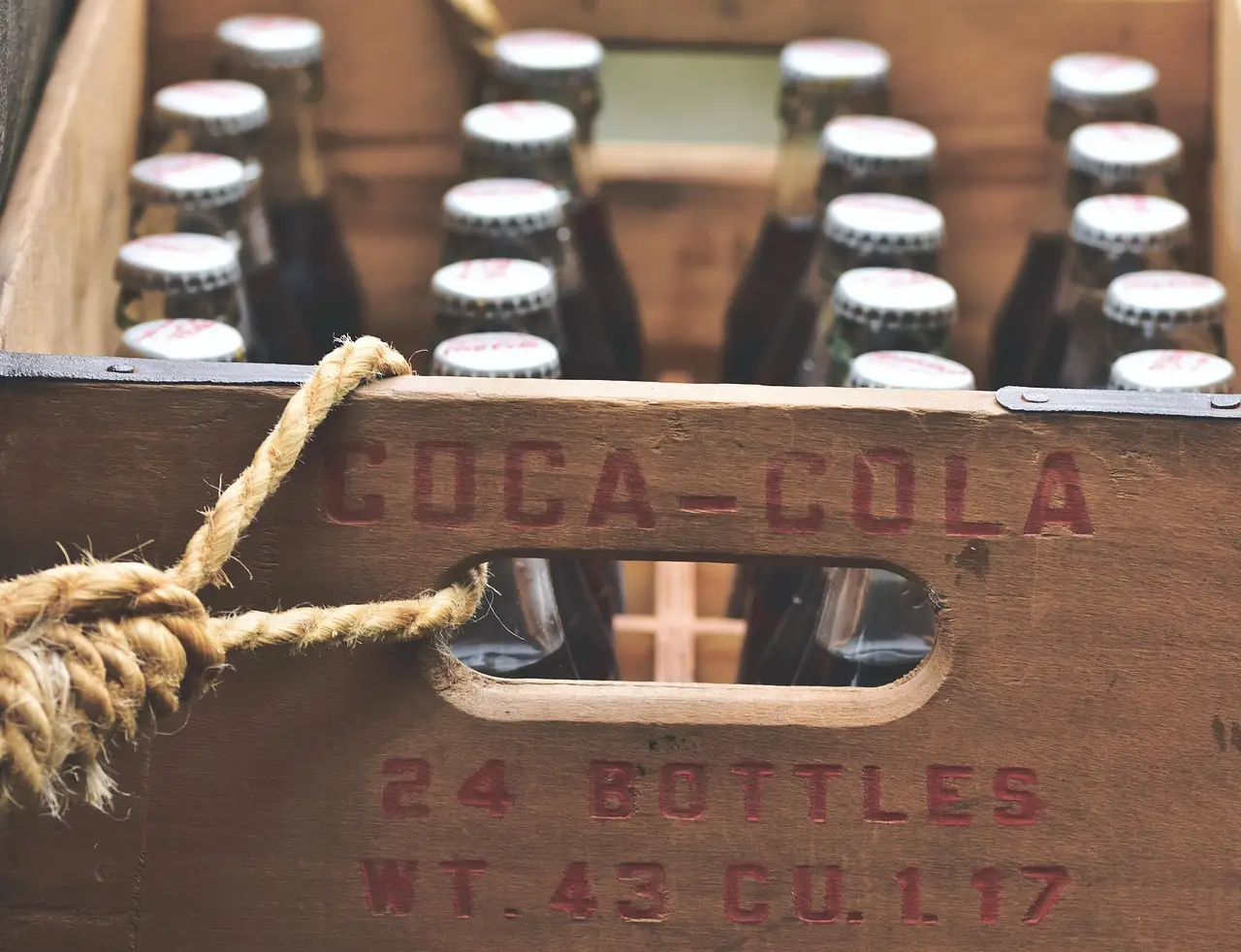
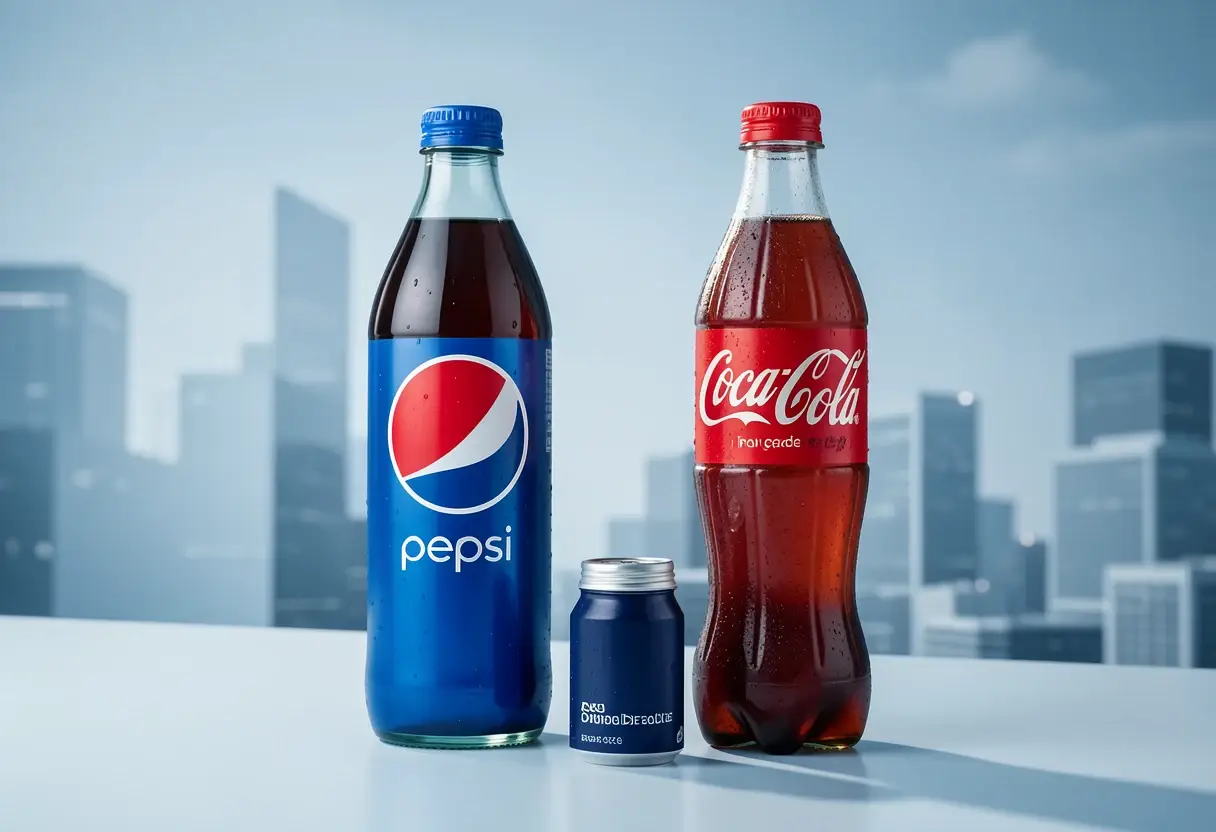
Taco Bell renewed its Pepsi partnership contract through 2036 after sister chain KFC switched to Coca-Cola. Both concepts sit under Yum! Brands, but the Taco Bell term does not establish one beverage standard across the portfolio.
The decision answers a question raised by KFC’s move: Would Taco Bell follow? In their Extra Serving discussion, National Restaurant News editor in chief Sam Oches and executive editor Alicia Kelso said the renewal made sense “even beyond the implications of the Baja Blast.”
What does the 2036 Pepsi renewal establish?
Contract length is the clearest disclosed term. The discussion offered no contract value, volume commitment, equipment terms, unit count or price protections. It also did not explain whether terms differ for company-operated restaurants and franchisees. Any margin claim would go beyond the disclosed facts.
The broader Technomic Top 500 provided the tougher backdrop. Chain restaurant sales slowed again in 2025 as consumers cut back on dining. Coffee, beverages and snacks, and chicken grew. The review supplied no chain-wide sales total, margin change or labor-cost breakdown, so sector growth cannot be treated as proof of stronger profitability.
Can QSR pizza turn convenience gains into profit?
Quick-service restaurant pizza now accounts for 45% of total pizza spending, according to Numerator, a 3.1% increase from 2019. The segment frames that gain as QSR pizza taking share from retail.
Technomic said pizza was the only menu category to suffer a sales decline last year. Those figures describe different measures and different pressures. The segment links pizza’s shifting performance to a war for convenience that has created problems among the bigger chains. That is an operating story centered on convenience, not a claim about superior taste.
QSR pizza’s 45% spending share demonstrates reach, not profitability. The source provides no average check, ticket, food cost, labor percentage, same-store sales or unit data. Without those measures, the 3.1% gain from 2019 cannot establish whether operators produced more dollars at acceptable margins.
Can new drinks repair Sweetgreen’s sales decline?
Sweetgreen is rolling out new and improved drinks, including Tropical Black Tea and Fresh Blackberry Basil. The fast-casual brand’s sales have been falling sharply. Earlier launches of Ripple Fries and Wraps were attempts to drive excitement.
Oches and Kelso asked, “Could more attention toward beverages re-energize the chain?” They were not convinced. They saw potential in healthier, functional and house-made drinks, a direction that fits fast-casual menus.
The economics remain unproven. The segment discloses no beverage sales mix, average check, ingredient costs, labor requirements or company-operated and franchise mix. The drinks may create a reason to return. The source does not show whether add-on rates, checks or contribution margins will improve.
Can Wendy’s reverse a 12% sales decline?
Wendy’s sales fell 12% last quarter as the national burger chain confronted operational, product and marketing issues. It restored yellow packaging, a branding treatment discontinued in 2012, and introduced a Dave’s Single combo meal for $7.99.
Price creates a value anchor. Familiar packaging creates recognition. Neither demonstrates that the company has solved the issues behind the sales decline.
The source does not disclose the meal’s food cost, discount funding, average check, unit count or company-operated and franchise sales. It provides no packaging campaign cost or traffic result. Those omissions prevent a clean assessment of value-meal profitability and marketing effectiveness.
Oches and Kelso viewed the changes as steps in the right direction, but not decisive fixes. Their skepticism matches the limited evidence.
The next evidence must be financial. Taco Bell needs to disclose the cost and scope of its 2036 Pepsi contract; QSR pizza operators need to convert 45% spending share into contribution margin; Sweetgreen needs to prove that new drinks raise checks; and Wendy’s needs to show that $7.99 and yellow packaging arrest the 12% decline. Until then, these are plausible operating moves, not proven fixes.
More from Marcus Bennett
Show full bio
Market editor covering technology and product news in Restaurant and hotel operations at The Pass Brief.
588 articles