C-Stores Recruit Restaurant Chefs to Take QSR Dining Dollars
Technomic finds 55% of c-stores and 72% of convenience chains now hire restaurant professionals. Rutter's, Weigel's, Leo's and Sprint Mart chefs explain the margins and learning curve behind the shift.
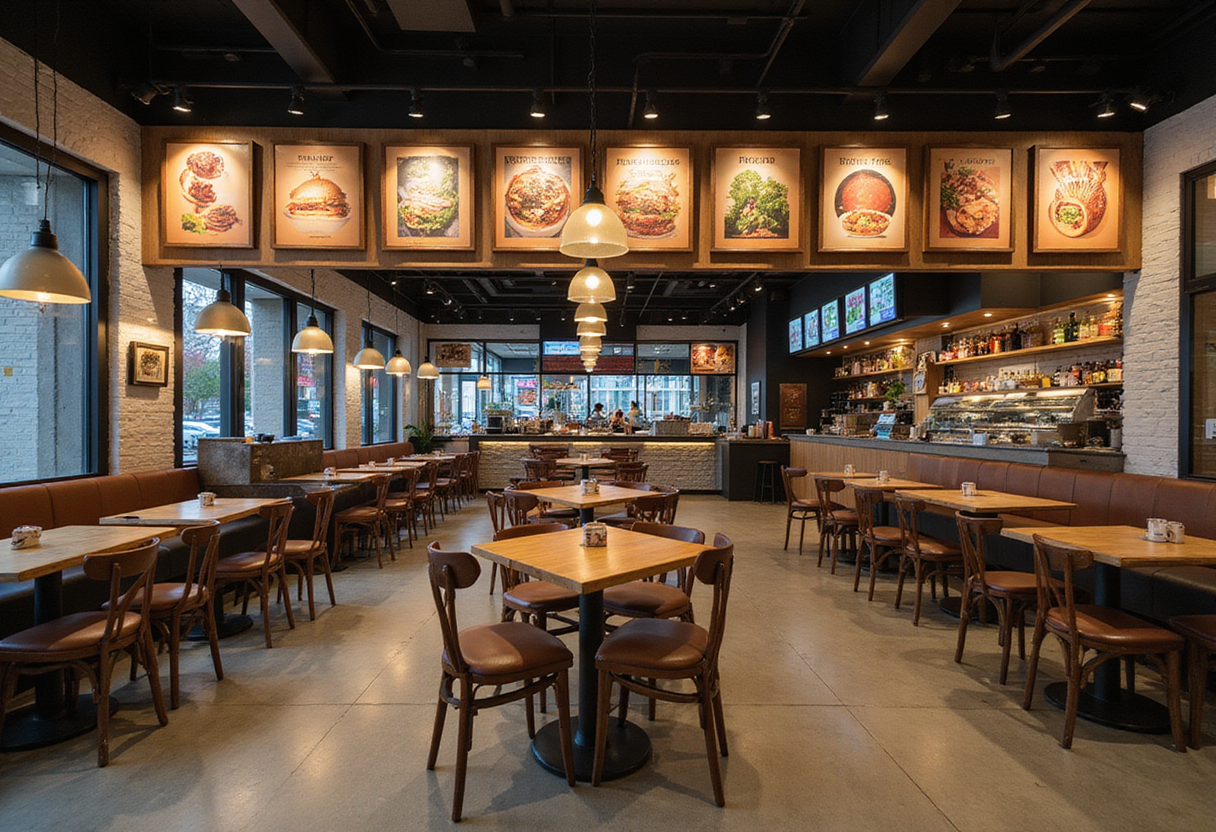
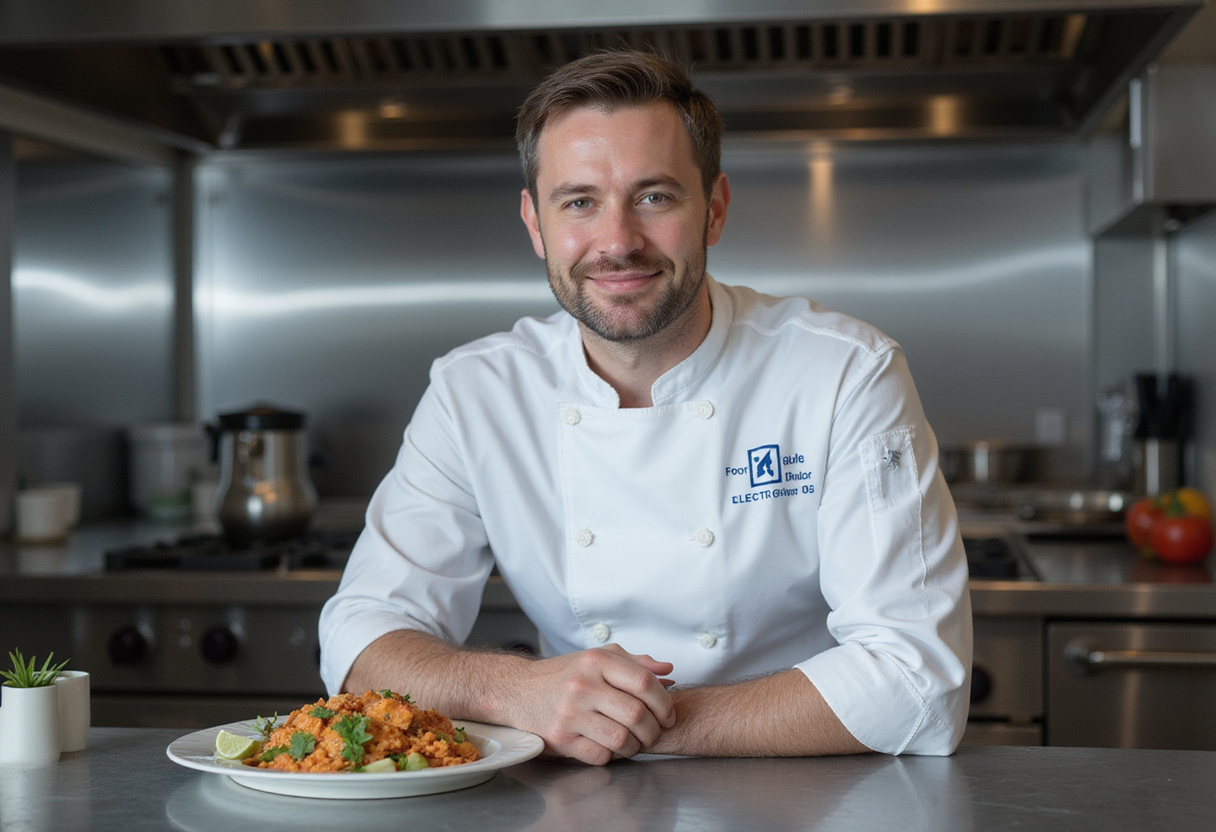
Fifty-five percent of all convenience stores and 72% of convenience retail chains now hire experienced restaurant professionals — many classically trained at top culinary schools — to lift quality and consumer perception of their prepared foods programs, according to a recent Technomic report.
The economics behind the hiring wave are blunt. "If not properly managed, foodservice programs can be very unprofitable, lead to low consumer satisfaction and damage the brand's performance," said Donna Hood Crecca, senior principal at Technomic. "Hiring foodservice expertise and experience is an important investment for c-store retailers looking to grow the fresh food and beverage categories."
Four operators illustrate how the strategy plays out at the menu level.
Matt Chappell, corporate executive chef at Leo's Market and Eatery, a seven-unit operator based in Greenfield, Indiana, previously ran kitchens at Vanderbilt University and Ball State University and worked in country clubs. His brief at Leo's is to serve "good food, not good food for a c-store" — a direct challenge to restaurant chains.
Philip Santini, senior director of food service and bar strategy at Rutter's, arrived from Le Pain Quotidien and Eataly. Professional chefs, he said, "bring a different level of expertise and innovation that can improve the food, strengthen execution, and ultimately change how customers perceive the c-store experience." As more c-stores enter culinary-driven foodservice, he argued, "the QSRs won't have anything to compete with us on. We are open 24 hours a day, are value-driven and can compete on prices."
Ryan Blevins, director of food and beverage innovation at Tennessee-based Weigel's and a restaurant-industry veteran, framed the competitive stakes more broadly: chains "are realizing if you don't have someone with foodservice knowledge, you're going to get left behind."
The learning curve
Recruiting restaurant talent is not plug-and-play. Unlike restaurants, c-stores do not focus solely on fresh food preparation, so operational variances challenge consistent execution, Hood Crecca said. Labor allocations for foodservice vary, as do skill levels, and financial KPIs differ sharply.
Chappell singled out food costs — less money to spend per item — as the most taxing part of building c-store menus.
Ryan Krebs, senior director of food and beverage at Sprint Mart in Mississippi, started at Rutter's after a scratch-cooking career. "I came from places where we did a lot [of cooking] from scratch and Rutter's model was made-to-order but you had to do it in four minutes or less, using a lot of pre-cooked items," he said. The high-speed equipment was also new to him.
Blevins called the transition "a big-time learning curve," moving from multi-million-dollar kitchens to c-store operations using combi ovens he had never seen. "I didn't know how I was going to innovate and create new products if I didn't know how to use the ovens," he said. He also had to relearn product development around pre-prepared grab-and-go items and the merchandising equipment that holds them.
Tight margins make innovation harder — but also shape it. "That also inspires creativity," Blevins said. "It pushes us to develop food that's affordable, appealing and still feels like a great experience."
As Weigel's program matured, the company began hiring deliberately for attitude, reliability and willingness to learn, Blevins said. Training is now simpler, more structured and more hands-on, anchored in food safety fundamentals, equipment use, product quality and consistent execution.
Volume and scope
Chefs also accelerate menu velocity. Santini is launching roughly 500 new menu items at Rutter's this year alone. "The challenge is to continue to push and to be innovative," he said.
"Chefs bring flavors and trends because of all their exposure," Krebs said. "In order to be competitive today you really need to think about investing in that expert."
The role extends well beyond the kitchen. About 60% of Krebs' time goes to the business side, and the stakes are high: "You become an executive leader, negotiating five-year contracts and millions of dollars in distribution. You don't touch that in independent restaurants." Blevins splits roughly 65% of his time between innovation and product development, with the remainder on training, recipe builds and standard operating procedures.
Chappell continues to cook and build menus at Leo's, and this year he has focused on cross-utilizing ingredients to cut waste and control costs.
For the chefs themselves, the strongest draw is often the schedule: most c-store chefs spend evenings, weekends and holidays at home. Krebs was emphatic about the switch: "Nothing" is what he misses. "I'll never work for another industry."
As convenience chains scale fresh programs and commissaries — Weigel's broke ground on its own — the pipeline of restaurant-trained chefs is likely to widen, tightening competition with QSRs for dining-out dollars.
More from Marcus Bennett
Show full bio
Market editor covering media and advertising at The Pass Brief.
98 articles