Hotel Giants Build Standalone F&B Divisions, Not Just Outlets
Mandarin Oriental, Kimpton, Ennismore, Accor and Hilton have all built standalone F&B divisions, repositioning hotel restaurants as destination businesses with their own commercial logic.
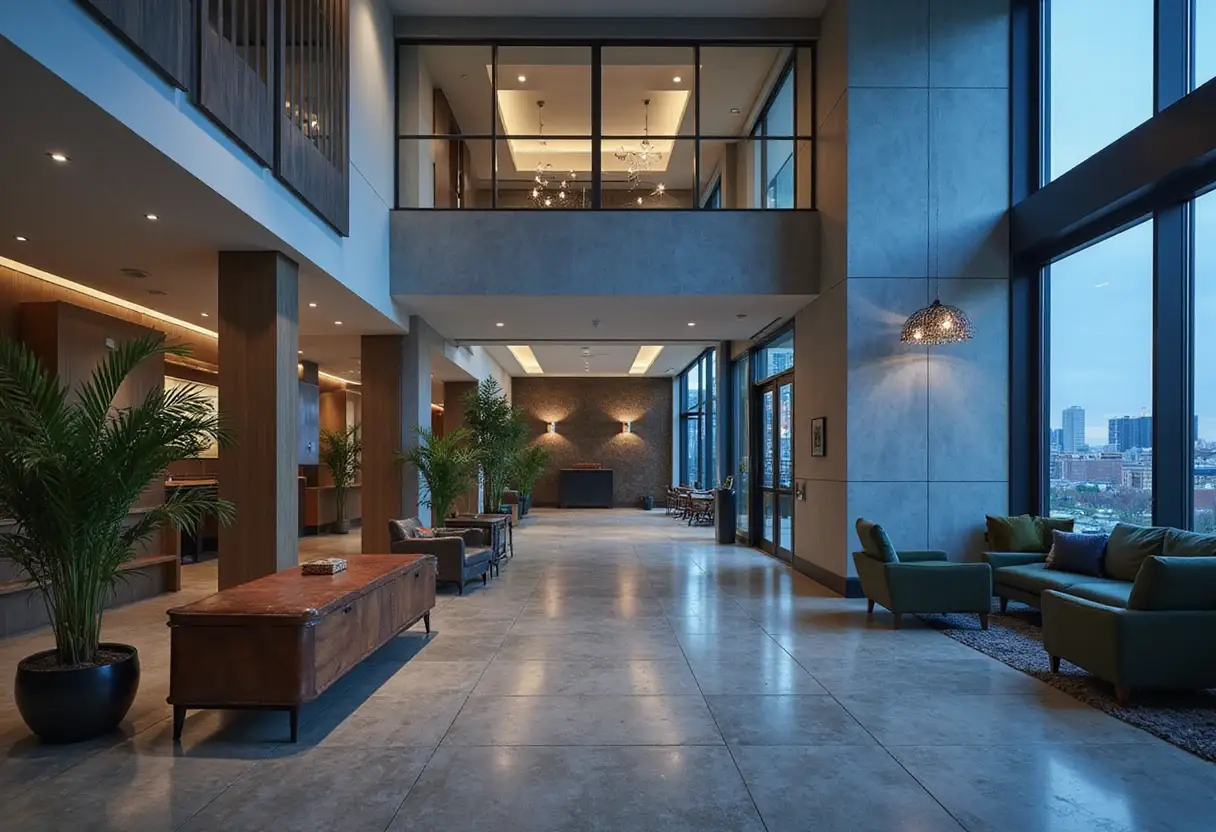
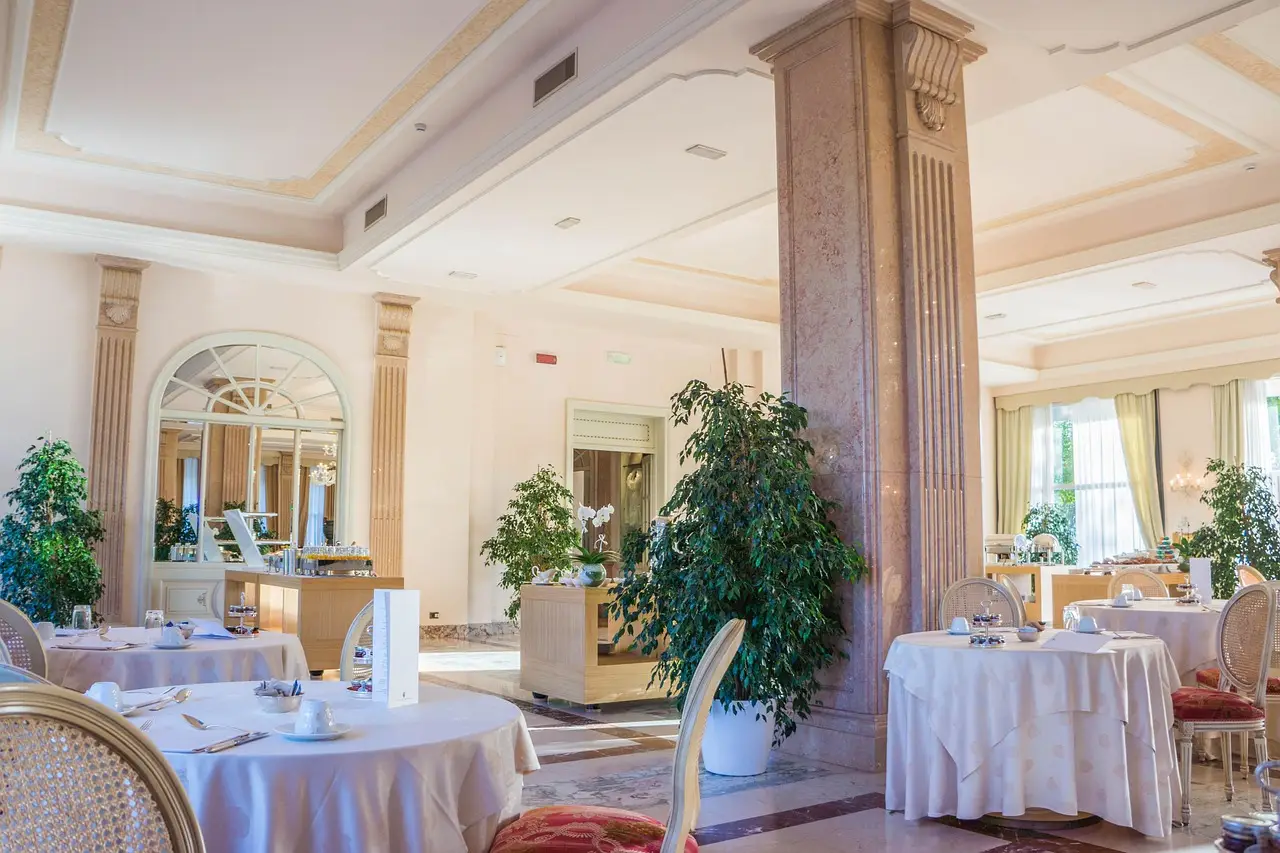
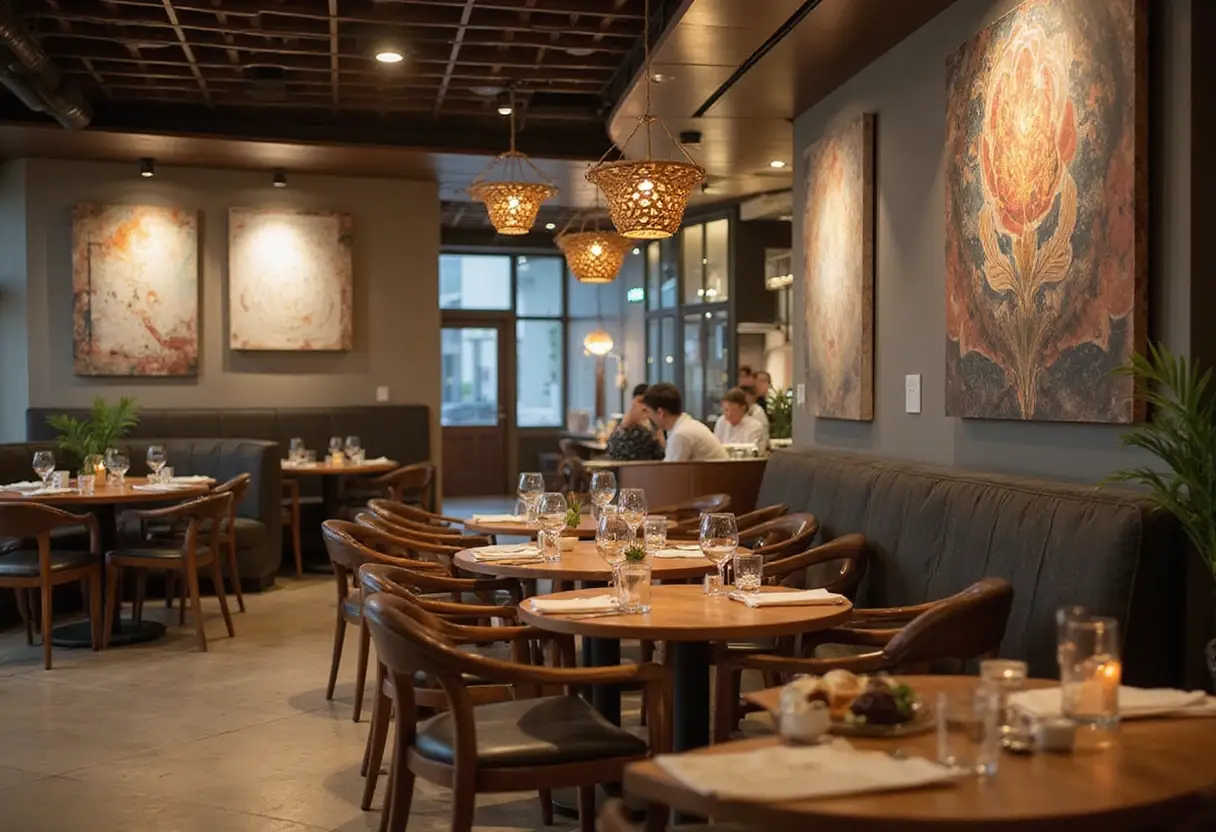
Five of the world's largest hotel groups — Mandarin Oriental, Kimpton, Ennismore, Accor and Hilton — have built or launched dedicated F&B structures in the past two years, treating hotel restaurants and bars as destination businesses rather than hotel amenities.
The moves came in quick succession. In early November, Mandarin Oriental renamed its food and beverage function Restaurants, Bars & Experiences, describing each venue as a destination in its own right. In late October, Kimpton launched The Curious Palate, a global F&B platform curated by its own chefs and bartenders. Ennismore has gone furthest, building a global platform around Paris Society and its alliance with Dubai's RIKAS, alongside dozens of restaurant and bar brands internationally. Accor created Table For, an in-house F&B group in the Pacific, while Hilton launched StiR Creative Collective in 2024 as its F&B concept and development arm. A senior executive at another major hotel group says a dedicated structure is planned there too, with real investment behind it.
What does the structure change?
Hotels and restaurants share a building and a brand, but not a business model. A hotel sells the stay: bookings made weeks or months ahead, through brand websites, online travel agencies, loyalty programs and travel trade. A restaurant lives on same-day decisions by people who live nearby, and it survives only if they come back — the birthday, the client lunch, the Tuesday evening.
When a hotel marketing team promotes the restaurant through hotel channels, it mostly reaches guests already staying there. That's not a failure of the team; it's a second job done with tools built for the first.
A dedicated F&B organization fixes that mechanically:
- Each venue gets its own identity, not sub-brand status under the property.
- Recruiting targets F&B specialists: concept creators, restaurant marketers, programming and partnership leads.
- Concepts can be adjusted at market speed, not on the hotel renovation cycle.
- Deliberate decisions manage how resident guests and local customers share the same spaces.
- Positioning is protected over years, so minimum spends, packages, DJ nights and promotions accumulate coherently rather than month to month.
Mandarin Oriental frames its new approach in terms of original concept creation, commercial validation and distinct venue identities. That is the language of a restaurant group, and that's the point.
Why hotel groups can win at it
Hotel companies control some of the best real estate in any city or on any coastline, plus the capital and patience to develop concepts across multiple locations. They bring a built-in audience of guests, customer data and loyalty ecosystems that most independent restaurant groups would envy. Their international platforms can attract chefs, operators and creative collaborators a single restaurant may struggle to access.
Historically, independents held the edge in creating venues that feel culturally relevant beyond the hotel's walls. That competitive gap may now narrow — and luxury F&B is likely to become more competitive as well-resourced restaurant businesses sit inside exceptional hotel real estate.
How success gets measured
The real test won't be whether hotel groups create more restaurants, but whether they create stronger ones. A venue earns success when it generates demand on its own merits, without depending entirely on room occupancy, loyalty traffic or the convenience of being downstairs from the guest.
The strongest concepts will be the ones people choose deliberately, not because they happen to be staying nearby. For guests and local customers, the new structures should mean more restaurants that benefit from the hotel behind them without being defined by it.
More from Olivia Hart
Show full bio
Staff writer covering regulation, policy and their impact on Restaurant and hotel operations at The Pass Brief.
757 articles