AAA Projects 81.5 Million Thanksgiving Travelers, First Decline Since 2008
AAA forecasts 81.5 million Thanksgiving travelers, down 0.1% — the first decline excluding 2020 since 2008, as gas nears $4 and airfare jumps 31%.
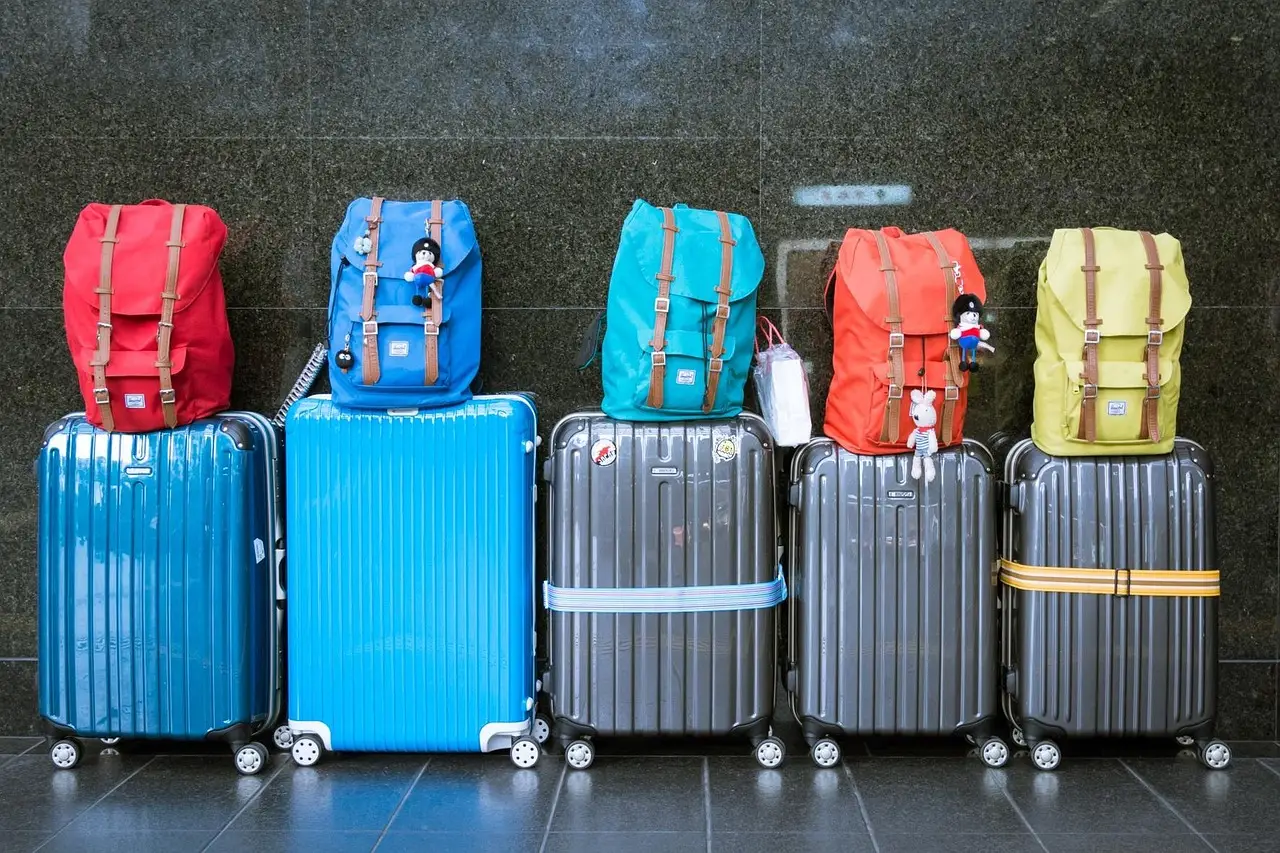
AAA projects 81.5 million Americans will travel at least 50 miles from home for Thanksgiving between November 24 and 30 — down 0.1% from 81.6 million last year, and, excluding 2020, the first decline in the auto club's Thanksgiving forecast since the 2008 recession.
The dip is small. It's also historic. Nearly a quarter of the U.S. population still plans to hit the road, board a plane, or catch a train over the seven-day window, and AAA spokesperson Aixa Diaz said the decline came in smaller than the organization had anticipated. But the direction matters more than the magnitude: a holiday travel machine that had grown almost without interruption for well over a decade has finally stalled, and the pressure points are easy to name.
Gas sits near $4 a gallon nationally — a level AAA says has never been exceeded on Thanksgiving. Airfare is climbing even harder. Hopper puts the average round-trip domestic Thanksgiving fare at $402, up 31% year over year. AAA, whose members skew older and more affluent, reports its members are paying an average of $800 per round-trip ticket, a 17% increase.
Put another way: a family of four flying this Thanksgiving faces roughly $1,600 in airfare alone at the Hopper average, before a single hotel night or restaurant meal.
What does this change for operators?
The answer depends on the mode. The pain isn't distributed evenly across travel categories, and the winners and losers are already visible in AAA's breakdown:
- Auto trips: down 0.3% year over year
- Domestic air travel: down 0.2%
- Trains, buses, and cruises: up roughly 4%
Amtrak expects record ridership over the holiday window, and AAA says many travelers are stretching the break into a cruise — a pattern consistent with what Bank of America Institute has tracked all year: robust cruise spending and renewed strength in hotel spending growth.
That shift carries real weight for hospitality operators. Highway-adjacent restaurants, gas-station foodservice, and drive-market hotels live or die on auto traffic; a 0.3% decline in car trips, layered on top of $4 gas that inflates every delivery and supply run, squeezes margins from both ends. Cruise lines and rail, by contrast, are picking up share at exactly the moment their fixed costs are already covered.
Budget travelers may be opting out entirely
The most consequential signal sits below the headline number. In a November 9 report, Bank of America Institute noted that fewer travelers are trading down from premium to lower-cost options. On the surface that sounds like strength — premium demand holding firm. But paired with slowing airline transaction growth, it points to a darker reading: budget travelers aren't downshifting. They're giving up trips entirely.
That's a different kind of squeeze than the industry weathered through the post-pandemic travel boom, when demand roared back across every price tier and operators could raise prices with little resistance. If value-minded travelers start sitting out holidays — the single busiest travel period of the year — the revenue math changes for mid-scale hotels, family dining chains near destinations, and low-cost carriers alike.
Premium operators, at least for now, keep their pricing power. AAA's own member data backs that up: an audience that skews older and more affluent is still booking $800 round trips, just 17% more expensively than last year.
A small number with a long shadow
One caveat keeps the decline in perspective. AAA's older projections measured a shorter travel window, so long-run comparisons aren't perfectly apples-to-apples, and a 0.1% drop on a base of 81.6 million travelers is barely a rounding error. Diaz framed it that way herself — the decline was smaller than expected, and a quarter of the country is still traveling.
Still, the streak is snapped. Gas has never cost this much on Thanksgiving, airfare is up nearly a third, and the travelers disappearing from the forecast are the ones who spend most carefully when they arrive. Whether the 2023 rebound follows may depend less on appetite for travel than on what happens at the pump — and on whether airlines keep finding enough premium demand to fill seats the budget crowd is leaving empty.
More from Daniel Okafor
Show full bio
Correspondent covering companies, deals and strategy in Restaurant and hotel operations at The Pass Brief.
698 articles