Windstar Bets Small Ship Kitchens on James Beard Dishes, Not Buffets
Windstar serves under 350 guests per yacht, sources ingredients at port markets, and puts at least two to three James Beard chef dishes on its 24-item daily menu.
Windstar Cruises puts two to three James Beard Foundation chef creations on a 24-item daily menu aboard its Star Class ships. The line is also the foundation's Official Cruise Line. That is the headline economics of a dining model built on fewer guests, fewer venues, and market-driven sourcing rather than buffet scale.
Peter Tobler, director of food and beverage operations for Windstar, frames the advantage as a function of headcount. "When you're cooking for fewer than 350 guests instead of several thousand, it's easier to make things personal," Tobler said. Chefs learn guest preferences by name, he said, which large-ship galleys cannot replicate at several thousand covers.
How does the venue count shape the menu?
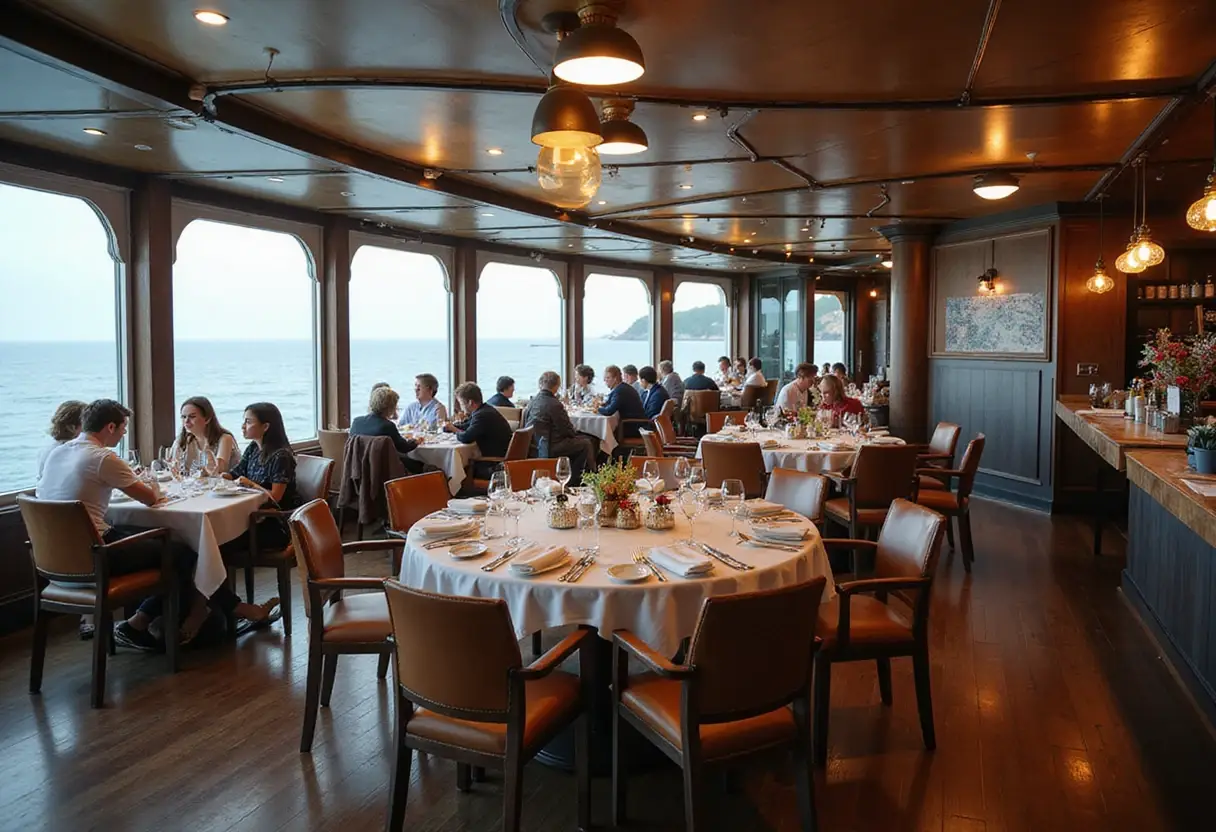
The yachts run a short roster: Amphora, the main dining room; the specialty restaurants Basil + Bamboo and Candles; and the Star Grill on the top deck. Fewer venues mean each kitchen can invest more in its menu. A Deck Barbecue adds variety, with paella and grilled seafood served outdoors.
Basil + Bamboo serves Mediterranean-Asian tapas and Windstar lists it as complimentary — a notable pricing decision when mega-ships charge extra for specialty dining. It opens for dinner only, seats are limited, and reservations are required. Bar seats offer a view of the kitchen. Dishes include smoked pork belly with gochujang glaze, miso-glazed black cod, and beef medallions with creamy polenta and ponzu jus.
Candles converts the Veranda, the breakfast room, into al fresco dinner seating on the back deck at night. The menu runs to filet mignon, veal chops, lamb chops and salmon. A tomahawk or porterhouse carries a nominal upcharge — the classic margin play on premium proteins.
The Star Grill stays casual, serving grilled and smoked entrees with fresh sides, salads and desserts under shaded outdoor seating.
Where do the ingredients come from?
Sourcing is local and same-day where possible. Chefs visit markets in port, both for ingredients and to observe regional cooking, then work with what the market offers that day, Tobler said. Amphora has pushed regional dishes accordingly: Mediterranean sailings feature Andalusian gazpacho and Imam Bayildi, a Turkish eggplant dish; Caribbean itineraries offer jerk-spiced chicken and Jamaican taro root fritters. Menu engineering follows the itinerary.
Which chefs are on the menu?
Named contributors include Hugh Acheson, the Georgia chef who won the foundation's Best Chef: Southeast award in 2012, shared with Linton Hopkins; his gambas al ajillo, a Spanish garlic shrimp dish, appeared on a Bordeaux-to-Lisbon sailing. Annie Pettry, a Louisville chef and 2020 Best Chef: Southeast semifinalist, contributed a slow-braised octopus. Tracy Chang of Pagu in Cambridge, a 2024 Best Chef: Northeast semifinalist, supplied a koji-marinated beef strip steak.
Chef-hosted sailings extend the programming. Guests visit a local market with the guest chef, then eat that chef's recipes aboard, Tobler said. Some voyages add a Windstar-exclusive chef-hosted dinner in port, plus live cooking demonstrations, seminars and specially designed meals.
"Guests will find dishes from acclaimed chefs alongside regional specialties, so there's a good mix of familiar favorites and something new to try," Tobler said. Windstar's James Beard Foundation page lists chef-hosted voyages and wine cruises, giving itinerary shoppers a way to check which sailings carry a guest chef. The model's wager is that scarcity, sourcing and chef pedigree will keep filling smaller ships.
More from Rebecca Stone
Show full bio
Senior reporter covering technology and product news in Restaurant and hotel operations at The Pass Brief.
659 articles