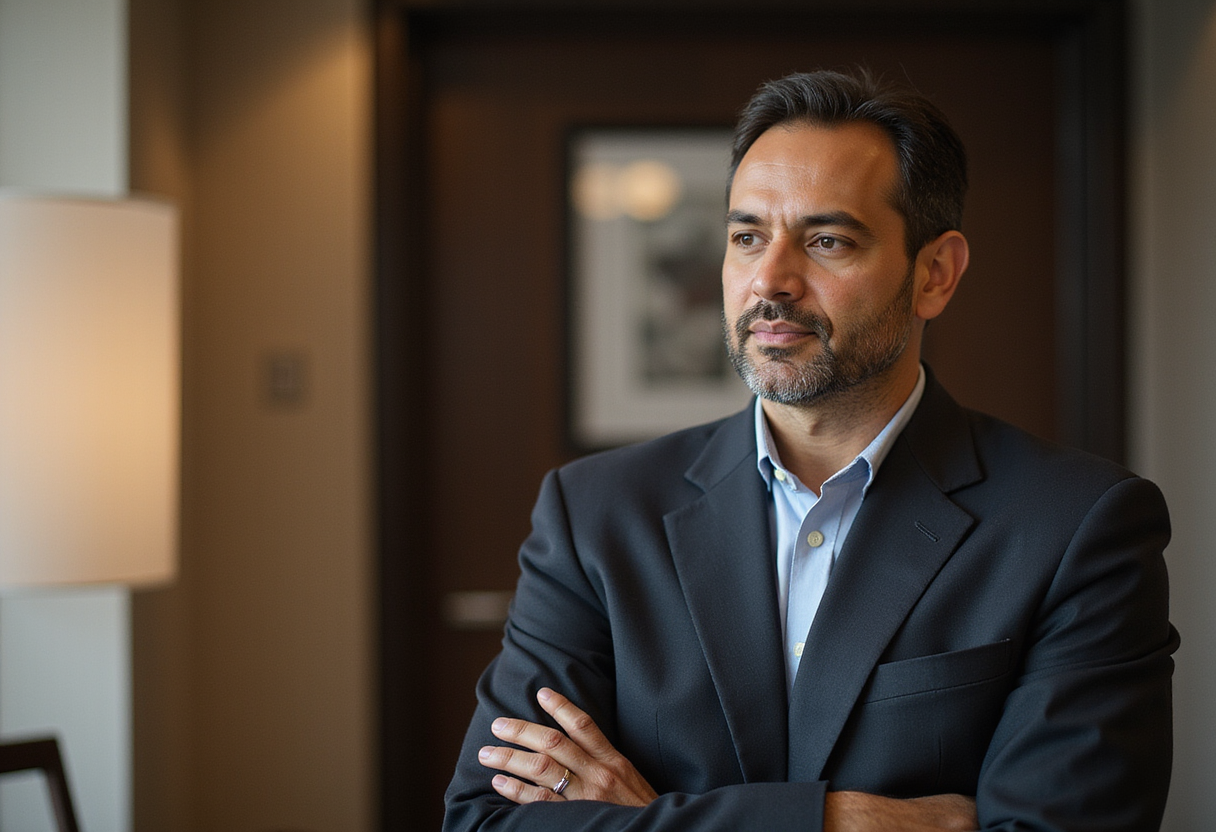
Steven Pan's Silks Hotel Group Pivots Beyond Hotels for Growth
Silks Hotel Group, chaired by Steven Pan, plans its next growth phase outside the hotel business, The Business Times reports — a pivot beyond its Taiwan luxury portfolio.
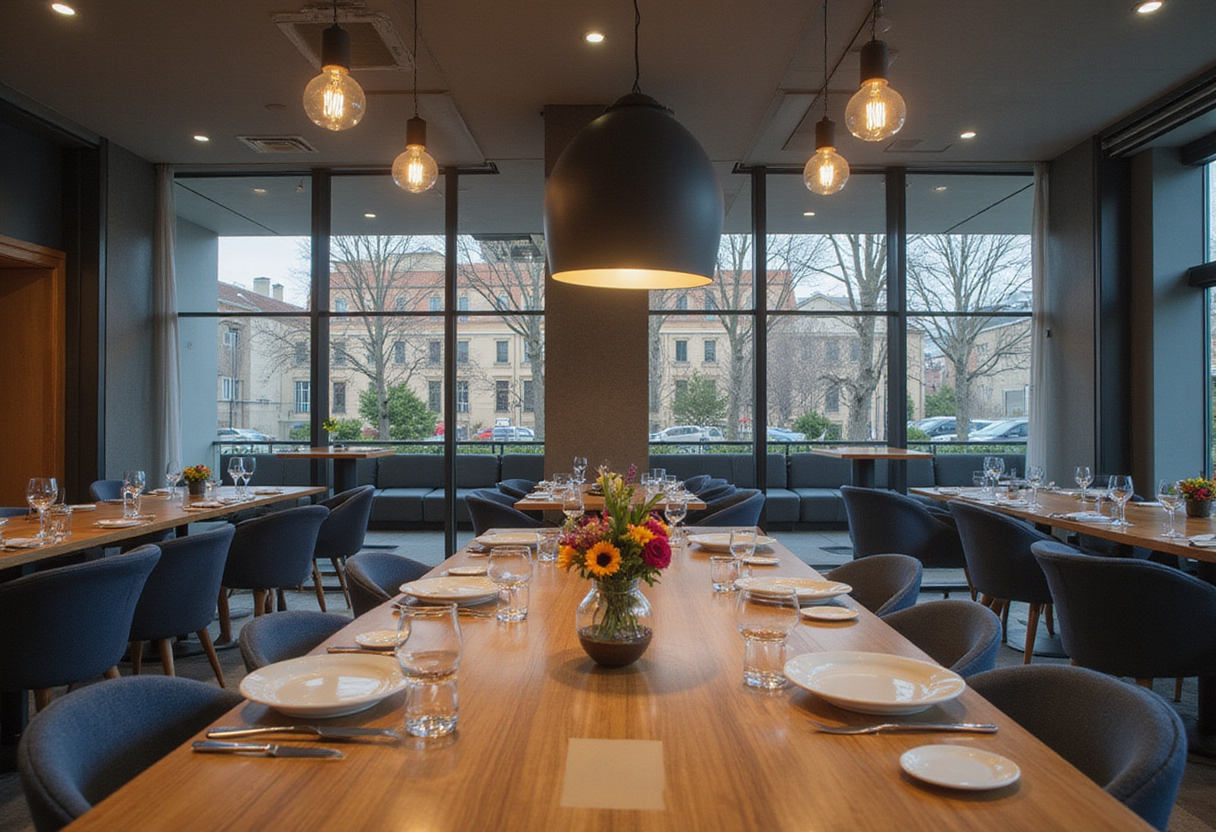
Silks Hotel Group, the Taiwan-based luxury hospitality company chaired by Steven Pan, is planning its next phase of growth outside the hotel business, The Business Times reports.
The company, best known for the Regent Taipei and its Silks House and Silks Club brands, has built its reputation on high-end urban and resort properties in Taiwan. The reported shift signals that Pan sees the next growth leg coming from businesses adjacent to — or entirely outside — traditional hotel operations, rather than from adding rooms to the existing portfolio.
What do we know about the plan?
The report itself is brief. It confirms that Pan, whose family controls the group, is looking beyond hotels as the engine for the company's next stage of expansion. It does not yet name specific new business lines, deal values, or timelines.
That framing matters for how the industry reads it. When an established hotel operator with a concentrated home-market footprint signals diversification, the usual candidates are food-and-beverage brands, residential, wellness, or branded experiences — asset classes that monetize the brand without requiring the capital intensity of new hotel development.
Who is Steven Pan?
Pan chairs Silks Hotel Group, which operates under the umbrella of the family-controlled Formosa International Hotels Corporation. Under his leadership the group has positioned itself at the top end of the Taiwanese market, with the Regent Taipei serving as its flagship and the Silks-branded properties extending the luxury line into additional cities.
The Pan family's long association with the Regent brand — the group acquired Regent Hotels and Resorts in 2010 before selling the global brand to IHG in 2018 while retaining its Taiwan interests — has given the company experience both as an owner-operator and as a brand steward. That history is relevant context for any diversification: Pan has previously shown willingness to buy, build, and divest at the brand level.
Why would a hotel group diversify now?
Hotel development is capital-heavy and slow, and Taiwan's luxury segment is a finite market. A group whose brands are concentrated in one geography faces a structural ceiling on room-count growth unless it expands abroad — a costly and competitive proposition — or finds revenue streams that leverage its existing capabilities.
Diversification beyond hotels typically lets an operator do several things:
- Monetize the brand through F&B, retail, or licensing without committing hotel-scale capital
- Build recurring revenue less exposed to travel-cycle swings
- Test adjacent categories before committing to full-scale expansion
For a company with deep expertise in high-end service and F&B — core competencies of any luxury hotel operator — those adjacencies are a natural place to look.
What comes next?
The Business Times report establishes direction rather than detail. The open questions the industry will watch: which business lines the group targets first, whether the expansion stays in Taiwan or reaches regional markets, and how Pan structures the moves — organic launches, acquisitions, or partnerships.
Until the group outlines specifics, the story stands as a signal that one of Taiwan's most established luxury hospitality names sees its future growth coming from somewhere other than its front desks.
More from Marcus Bennett
Show full bio
Market editor covering media and advertising at The Pass Brief.
251 articles