Marriott Signals Asia Pacific's Next Menu Move: 'Place' Over Standardization
Marriott International has unveiled an Asia Pacific food-and-beverage outlook organized around "the rise of place," putting local identity, sourcing and market-specific menus at the center of its regional strategy.

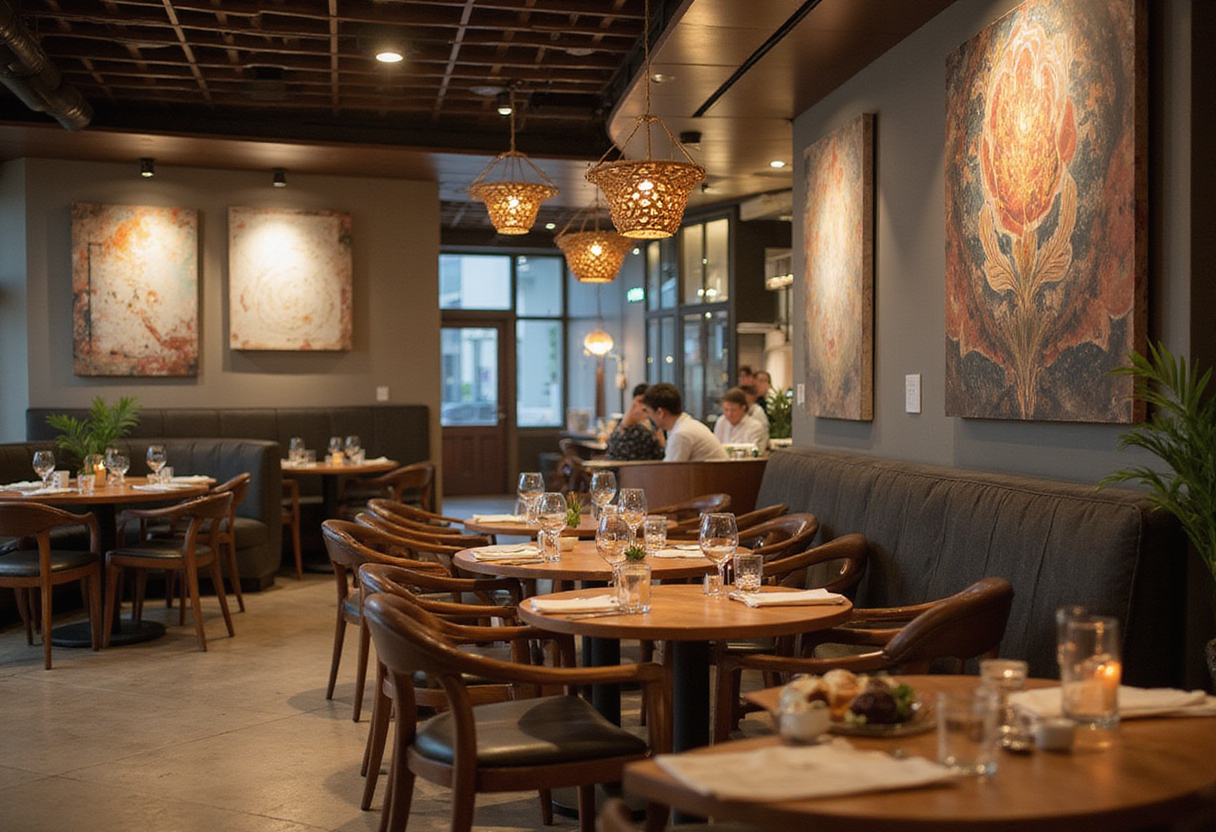
Marriott International has released a food-and-beverage outlook for Asia Pacific built on one organizing idea: "the rise of place." The hotel group is positioning locally rooted food — rather than standardized international menus — as the defining direction for its F&B business across the region.
The announcement, carried by Taiwan News under the headline "The Rise of Place: Marriott International Reveals Asia Pacific's Future of Food," signals how one of the world's largest hotel operators plans to shape menu development, sourcing and dining concepts across a portfolio that spans dozens of Asia Pacific markets.
For a chain of Marriott's scale, a directional statement like this matters well beyond press language. Hotel F&B in Asia Pacific has long balanced two revenue streams — in-house guests and local destination diners — and leaning into "place" implies resources shifting toward region-specific menu engineering, local supplier relationships and market-by-market concept design rather than a single playbook rolled out regionwide.
What does "the rise of place" mean for menus?
The framing suggests Marriott views locality as the growth lever for its food operations in the region. In practice, that typically translates into:
- Menu development that references regional ingredients, techniques and culinary identity;
- Sourcing relationships built closer to each property's market;
- Dining concepts designed for local destination traffic, not only hotel guests.
For operators, the economics behind such a shift are straightforward: destination-dining covers spread fixed kitchen labor and occupancy costs across more covers per day, and locally anchored menus reduce dependence on imported goods whose costs move with freight and currency swings.
Why Asia Pacific, and why now?
Asia Pacific remains one of the most competitive hotel-dining environments in the world, with independent restaurants and luxury regional groups competing directly for the same local spend that hotel outlets need to fill seats. A regional identity strategy gives a global chain a differentiated answer to that competition — one that a standardized banquet-and-all-day-dining model cannot match.
The release did not disclose specific property counts, opening dates or individual restaurant concepts tied to the initiative, so the scale of rollout across Marriott's Asia Pacific portfolio — which spans multiple brands from select-service to luxury — remains to be detailed by the company.
Marriott's framing positions the outlook as a forecast of where the region's food culture and its own F&B strategy are heading, suggesting further brand- and market-level announcements will follow as operators translate the "rise of place" thesis into menus, sourcing programs and new dining venues.
More from Marcus Bennett
Show full bio
Market editor covering media and advertising at The Pass Brief.
243 articles