Nestlé Bets on GLP-1 Users as Price Premiums Collapse to 6%
Launch price premiums have fallen from about 15% to 6% as GLP-1 drugs reshape food and drink development, with Nestlé leading targeted NPD.
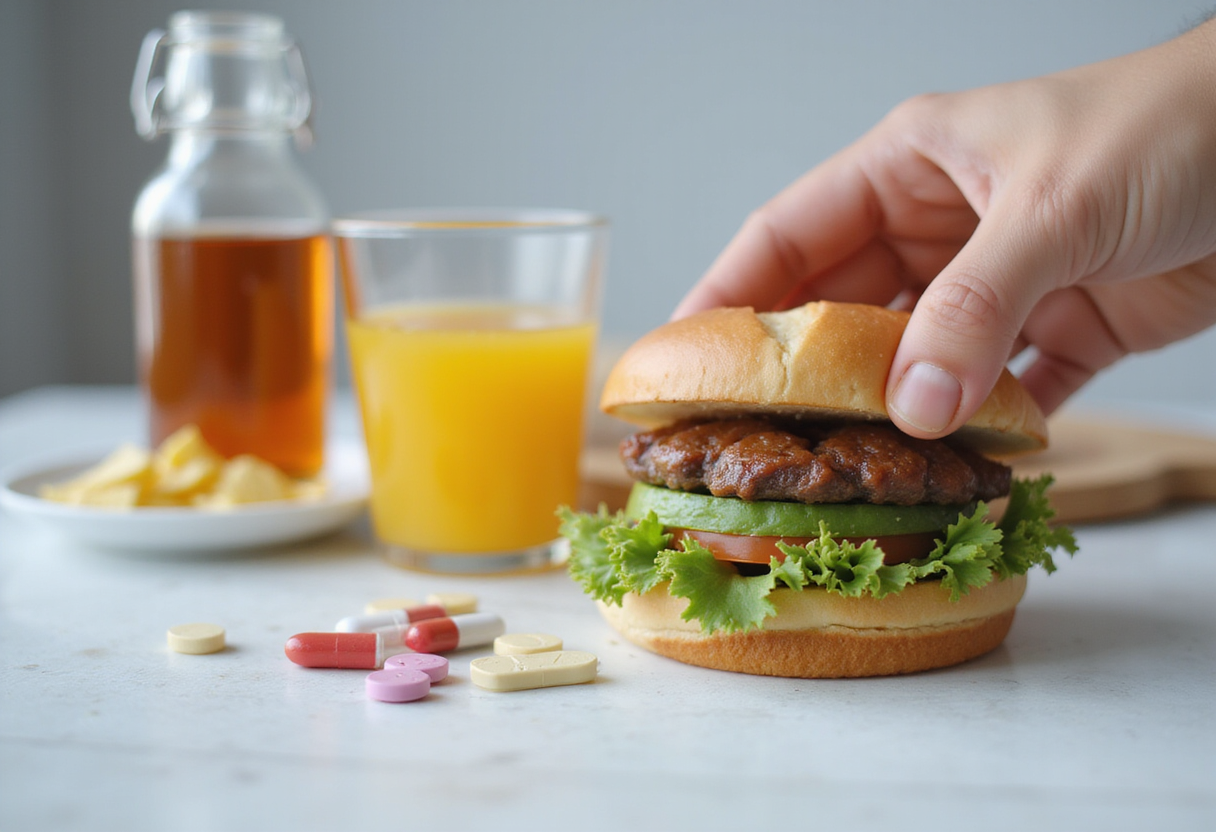
New food and beverage launches now command a price premium of only about 6% over existing alternatives, down from roughly 15% previously — one of the clearest signals that GLP-1 weight-loss drugs are reshaping product development economics across the industry, according to Circana senior vice president Ananda Roy.
In August, Nestlé, the world's largest CPG company, revealed it is developing a new generation of nutrition products specifically for consumers using GLP-1 medications, using artificial intelligence and nutritional science to identify nutrient combinations that support muscle health, hydration and nutritional intake. The company is also exploring reformulation across its existing portfolio.
"It's a huge opportunity for our company," Nestlé chief technology officer Stefan Palzer said.
What are manufacturers actually changing?
The industry response follows a dual strategy: reformulating established products and building entirely new lines aimed at GLP-1 users. The reformulation work concentrates on lowering sugar, fat, salt and calories while adding protein and fibre — a sourcing and menu-engineering calculus that treats nutrient density as the new specification for indulgent categories.
"There's a growing trend for smaller packs, or smaller portions in resealable packaging, of nutrient dense foods with high protein, fibre and functional claims and re-formulated products with low fat, salt, sugar and calories," Roy said. "These are the clearest signs yet that GLP-1 and weight-management trends are changing the industry."
The NPD pipeline has shifted accordingly:
- High-protein snacks and meal replacements
- Fibre-enriched foods
- Portion-controlled, resealable formats
- Protein- and fibre-fortified confectionery and bakery products
Nutrition professor Marion Nestle sees the adaptation as already well underway. "They're already making products high in protein, vitamins, and fibre, and low in sugar and calories," she said, adding that GLP-1 adoption strengthening wider health-focused innovation is "already happening."
Which categories are losing volume?
The disruption is uneven. Alcohol is taking the hit; nutrient-dense and functional-claim categories are gaining.
"Traditional beer, wine and spirit categories are showing clear signs of disruption with volumes down, despite high levels of promotion," Roy said. "In comparison, categories that provide high nutrient density, or make functional health and wellness claims, even if consumed as an indulgence or are an occasional food like snacks, are most likely benefit from the consumer's desire for healthier dietary choices."
Confectionery sits in a more complicated position. Appetite suppression may reduce impulse purchasing and large-format consumption, but it is fuelling demand for portion-controlled products and protein-enhanced snacks that deliver functional benefits alongside indulgence.
Why the price premium matters
The drop in acceptable launch premiums — from about 15% to about 6% — shows shoppers still want innovation but will not pay heavily for it. Roy attributes the shift to the cumulative impact of inflation on household budgets. The practical consequence for manufacturers: the next generation of GLP-1-adjacent products must deliver health benefits and value simultaneously, compressing the margin room that historically funded premium positioning.
How far could the effect spread?
Manufacturers increasingly treat GLP-1 users not as a niche audience but as an early indicator of broader demand for higher nutritional value per serving. The next phase of innovation is expected to centre on personalised nutrition, functional ingredients and products supporting hydration, muscle maintenance and metabolic health, alongside continued packaging evolution toward portion guidance and resealability.
Because the attributes tied to GLP-1-focused products — higher protein, lower sugar, controlled portions — already align with long-running health and wellness trends, the formulations emerging now could steer mainstream food and beverage development regardless of whether GLP-1 adoption continues to accelerate. The operators that balance nutrition, taste, convenience and affordability stand to gain most as the market shifts toward quality over quantity.
More from Rebecca Stone
Show full bio
Senior reporter covering media and advertising at The Pass Brief.
225 articles