Habit Burger & Grill Ties Expansion Plans to Human Connection
Habit Burger & Grill is centering its next growth chapter on human connection rather than price-led promotions, framing guest relationships as the lever that will fund expansion into new regional markets.
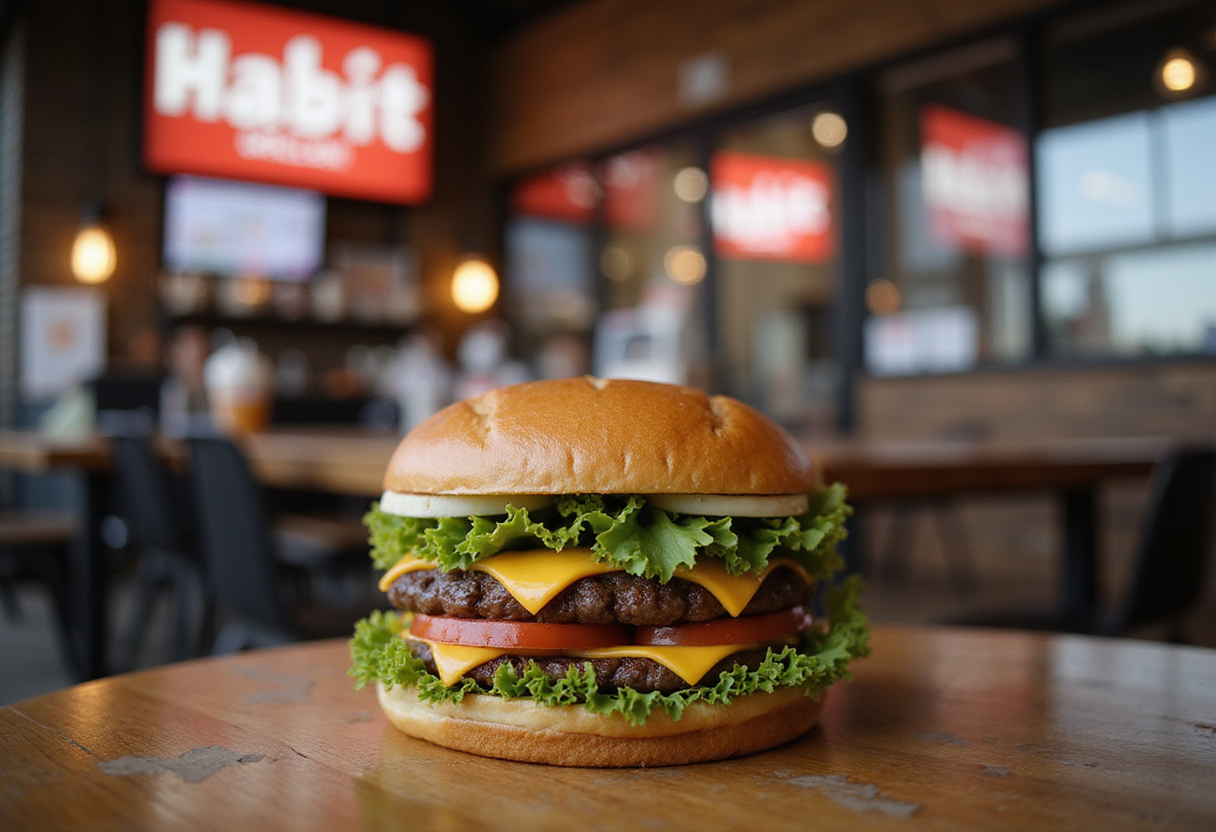
Habit Burger & Grill is making guest-level human connection the centerpiece of its next expansion wave rather than chasing price or promotional levers, according to Nation's Restaurant News.
The strategic reframe places the labor-and-training question ahead of the unit-count question — a sequence that has defined which burger chains have scaled cleanly over the past decade and which have not.
What does the strategy actually point to?
For multi-unit operators, "human connection" almost always lands on a small set of operational decisions: front-of-house staffing ratios, manager tenure, training depth, and whether the loyalty mechanic rewards frequency or subsidizes discount hunting.
In a burger category where check averages cluster around $12 to $15 at table-service concepts and labor already runs more than a quarter of revenue, even modest gains in repeat-visit rate move four-wall economics meaningfully.
That calculus shapes every other decision as Habit looks to plant units outside its strongest California density. Chains that win on perceived service tend to need a different hiring profile, a thicker training budget, and tighter unit-level labor scheduling than counter-service competitors running leaner scripts.
Where the chain sits today
Habit Burger & Grill, which operates both company and franchised restaurants across the western United States, has expanded under Yum! Brands ownership since its 2020 acquisition.
The brand's menu sits between fast-casual burger operators and full-service casual concepts, supported by table service at most locations and a price point aimed at the premium end of the segment.
That positioning gives Habit room to compete on hospitality rather than throughput, and the framing in the new reporting — connection first, scale second — is consistent with how operators in that mid-segment typically defend comp sales once they pass the 200-unit mark.
Why the human-connection thesis resonates now
Restaurant chains that grow past regional density almost always hit the same inflection: founder-driven service culture begins to erode, and traffic numbers respond to that erosion before revenue numbers do.
Operators who put the people systems in place early — certified trainers, defined service standards, wage or tip structures that retain tenured staff — have generally defended comp sales better through years four to seven of a market entry.
The off-premise migration of the past several years has compounded the problem. Dine-in traffic is now where dessert, beverage attachment and any incremental check-builder lives; counter-service takeout doesn't carry those dollars.
Building a service culture that pulls guests back into the four walls is now a top-line strategy, not a soft-skills initiative.
What to watch next
The next round of operating data — quarterly unit openings, franchise signings, AUV performance in newer markets, and labor cost percentages — will show whether the human-connection thesis is funding its own expansion or quietly consuming margin as the chain grows.
More from Daniel Okafor
Show full bio
Correspondent covering consumer brands and retail at The Pass Brief.
216 articles